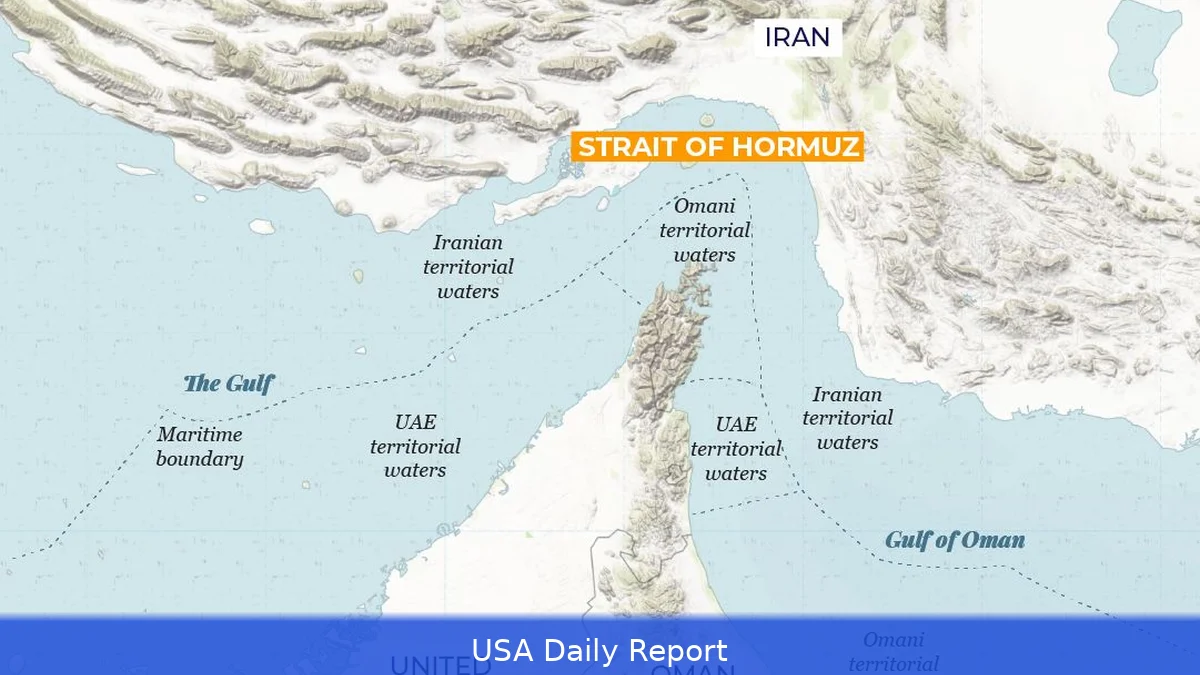
Brent crude prices retreated from last week’s spike above $81 a barrel, settling near $68 as traders weighed the prospects of a ceasefire between Iran and Israel. The brief easing of tensions has kept the critical Strait of Hormuz open, easing fears of a major disruption to global oil supplies.
Ceasefire Talks Calm Oil Markets—For Now
The sudden jump in oil prices earlier this month sent shockwaves through energy markets. Brent crude soared past $81 a barrel following U.S. And Israeli strikes on Iranian nuclear sites. But the rally was short-lived. The announcement of a ceasefire, albeit fragile and quickly challenged, helped push prices back down to around $67.83 by Thursday morning.
Still, the situation remains volatile. Iran’s missile retaliation against a U.S. Base in Qatar was limited, sparing key shipping lanes and energy infrastructure from damage. Traders took that as a sign the Strait of Hormuz—the narrow waterway through which roughly 20% of the world’s oil passes—would stay open, preventing a spike in prices.
But the ceasefire’s quick unraveling and ongoing threats from Tehran to close the strait keep the risk premium alive. If Iran blocks or even partially disrupts tanker traffic, oil supplies could tighten almost instantly, pushing prices considerably higher.
Gas Prices in the U.S.
Face Pressure but Stay Manageable
Crude oil prices directly impact what Americans pay at the pump. Analysts estimate that every $10 rise in crude can add 20 to 25 cents per gallon to gasoline prices.
Currently, the national average for regular gas sits at $3.22 a gallon, up about 8 cents in the past week amid the heightened Middle East tensions.
Regional disparities persist. Californians continue to pay the highest prices—averaging $4.62 per gallon—while Texas drivers enjoy rates near $2.85. Concerns about refinery conversions in California adding to supply constraints have circulated, with some industry groups warning prices could spike to $8 a gallon. But state officials and economists have pushed back, calling those claims exaggerated and unsupported by clear data.
Global Energy Supply Under a Cloud
The Middle East conflict is layered atop existing regional instability. Beyond Iran and Israel, attacks on commercial shipping in the Red Sea and ongoing conflicts in Gaza add to the uncertainty. The memory of the 1970s oil shocks looms large—when supply disruptions doubled or tripled gas prices, causing widespread shortages and panic at filling stations.
For now, OPEC Plus has held off an emergency meeting. Saudi Arabia’s energy minister said they would watch market developments before taking action, while Russian President Vladimir Putin indicated no immediate need to intervene. The U.S. Administration has also hinted at the possibility of releasing oil reserves if conditions deteriorate.
Meanwhile, Iranian drone and missile strikes recently targeted oil-producing facilities in the United Arab Emirates and Iraq, further unsettling markets. The Shah field in the UAE was forced to halt operations temporarily, and a major port was struck, intensifying concerns about supply disruptions.
Wall Street Watches Fed and Global Risks
U.S. Stock futures showed little direction as investors balanced the oil price rebound with economic data and the looming Federal Reserve policy meeting. Industrial production and manufacturing output exceeded expectations in February, but the Empire State manufacturing index pointed to softness ahead.
Wall Street’s main indexes climbed sharply the previous session, led by chipmakers and AI-related stocks. But the rise in energy prices threatens to stoke inflationary pressures and make the Fed’s plans. The central bank is widely expected to hold interest rates steady this week, but investors will scrutinize Chair Jerome Powell’s remarks for clues on future rate moves amid the geopolitical risks.
As the Iran-Israel conflict drags on, the global oil market remains on edge. The fragile ceasefire offers some relief, but threats to choke off the Strait of Hormuz keep prices and supply concerns elevated. How long the calm lasts—and its impact on U.S. Consumers—remains uncertain.


