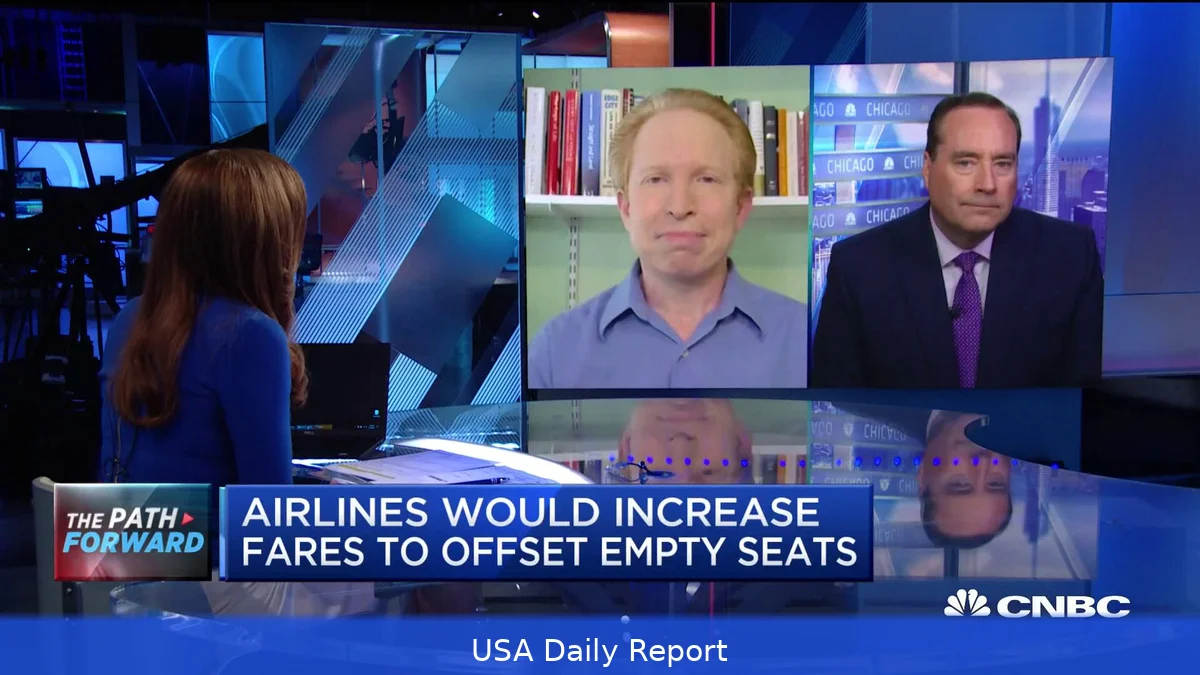
Airlines turned first-class seats into cash machines. They do it by selling upgrades, not giving them away. The tool: auction-style bids that let economy passengers pay less for premium cabins.
How the bidding systems actually work
You buy an economy ticket, then days or hours before departure you can enter a bidding page to try for an upgrade if your fare class qualifies.
Airlines — often working with a travel-technology firm called Plusgrade — invite eligible passengers to place offers for premium-economy, business or first-class seats.
Right now, you enter your booking number on an airline’s upgrade page, choose a bid within a suggested range, and wait. Bidding windows usually open a few days before departure and can close as late as hours before takeoff.
If your offer is accepted, your card is charged and the airline moves you into the higher cabin. You usually get the perks that come with that class: priority boarding, lounge access, and extra baggage. But your original ticket rules, like refundability and mileage accrual, typically stay the same.
What passengers actually pay
On long-haul routes, accepted bids have sometimes landed between $200 and $500, according to travel reporting on the programs. Shorter flights sometimes see successful offers from about $50 to $200.
Airlines often set a minimum for bids. If the minimum is close to the price for a guaranteed upgrade, the gamble loses its appeal.
For example, a traveler faced with a guaranteed upgrade price of $450 might pass on bidding if the auction’s minimum starts at $400 — the certainty of buying the upgrade outright feels safer. But when minimums are far below the full fare gap, bidding can be an affordable route into a premium seat.
And yes, the upgraded ticket routinely includes lounge access and improved meals. But the fine print matters: the base ticket’s mileage and refund rules generally don’t change.
Why airlines pushed bidding instead of freebies
Airlines view empty premium seats as lost revenue, so they offer paid upgrades to recoup some of that value. Empty first-class seats are lost revenue once the plane departs, so airlines now try to capture whatever willingness to pay exists among economy travelers.
Airlines have always tried to sell premium inventory. Bidding gives them a tool to extract extra revenue from travelers who didn’t pay for a premium fare at booking but would pay something later.
Carriers commonly use third‑party platforms such as Plusgrade to manage upgrade auctions alongside their existing sales channels. Airlines can recommend bid ranges that reflect route demand and remaining seat counts. The work happens behind the scenes, but the result is clear: a seat that might otherwise fly empty brings in money.
That extra cash doesn’t require a new aircraft or service; it’s about squeezing more value from the same cabin space.
Which airlines use it — and which don’t
Several well-known carriers have offered auction-style upgrades. Airlines linked to these programs include Air Canada, Lufthansa, Qantas, Virgin Atlantic and Singapore Airlines, many of which run bidding through platforms like Plusgrade.
But not every major carrier has embraced bidding. Some airlines still sell upgrades only at checkout, through loyalty channels, or via clearance sales. Others limit upgrade options by fare class — basic-economy tickets often don’t qualify for bidding.
So if you hope to bid, check eligibility early. Airlines typically notify passengers by email or provide an online form where you can enter your booking number and see if an upgrade auction is available.
When bidding is worth it — and when it’s not
For travelers, bidding can be a bargain. When airlines accept offers far below the full-price difference between cabins, the upgrade becomes a steep discount compared with buying a premium seat outright.
But the gamble has real costs: you might pay close to the full upgrade price and still lose your bid. Or the airline might set a minimum that leaves little room for risk-taking.
Bidders should weigh the route, the usual price gap between cabins, and how important certainty is. If you need guaranteed lounge access or must confirm seat assignments before travel, a purchased upgrade could be the right call. If you’re flexible and willing to take a chance, a bid can earn you a premium seat for a fraction of the usual cost.
And remember: a successful bid usually doesn’t change refundability or frequent-flier mile earning tied to your original fare class. So the upgrade is about comfort, not contract changes.
What this means for airline finances
Airlines face a constant math problem: sell seats now at low margins, or hold out for higher fares that may never arrive. Bidding threads the needle by offering a middle path.
When carriers accept offers of a few hundred dollars instead of leaving the seat empty, they turn wasted inventory into revenue. Even low bid amounts help offset fixed operating costs for the flight.
Airlines publish suggested bid ranges that reflect the route and how many premium seats remain, so prices vary by flight. That flexibility lets airlines capture consumer surplus without publicly slashing upgrade fares or upsetting full-fare purchasers.
The practical result is incremental revenue from premium cabins because airlines can sell seats that otherwise would fly empty.
Practical tips for would-be bidders
Start by checking whether your ticket qualifies. Basic-economy fares are often excluded. Next, look for the airline’s bidding invitation or enter your booking number on the carrier’s upgrade page to see suggested ranges.
Choose a bid that balances the chance of winning with how much you're willing to risk — long-haul upgrades often clear in the low hundreds, while short hops sometimes clear for $50–$200. If a guaranteed paid upgrade is only a little more than the likely winning bid, don’t bother gambling.
Finally, remember timelines: bidding typically takes place two to seven days before departure, sometimes closing only hours before the flight. If you need certainty earlier, consider paying for the upgrade at purchase or via the airline’s official upgrade product.
Overall, bidding programs make premium cabins more accessible to some travelers and add a steady trickle of revenue for airlines that would otherwise fly with empty seats.
Related Articles
- European airports face jet-fuel squeeze within weeks as Strait of Hormuz disruption bites
- Kim Jong Un Flaunts Alliances and Hardware as Trump Plans China Visit
- Nvidia’s Jensen Huang Tells People to ‘Move to California’ as Proposed Billionaire Tax Looms
More than 50 airlines worldwide now offer auction-style upgrade programs.


