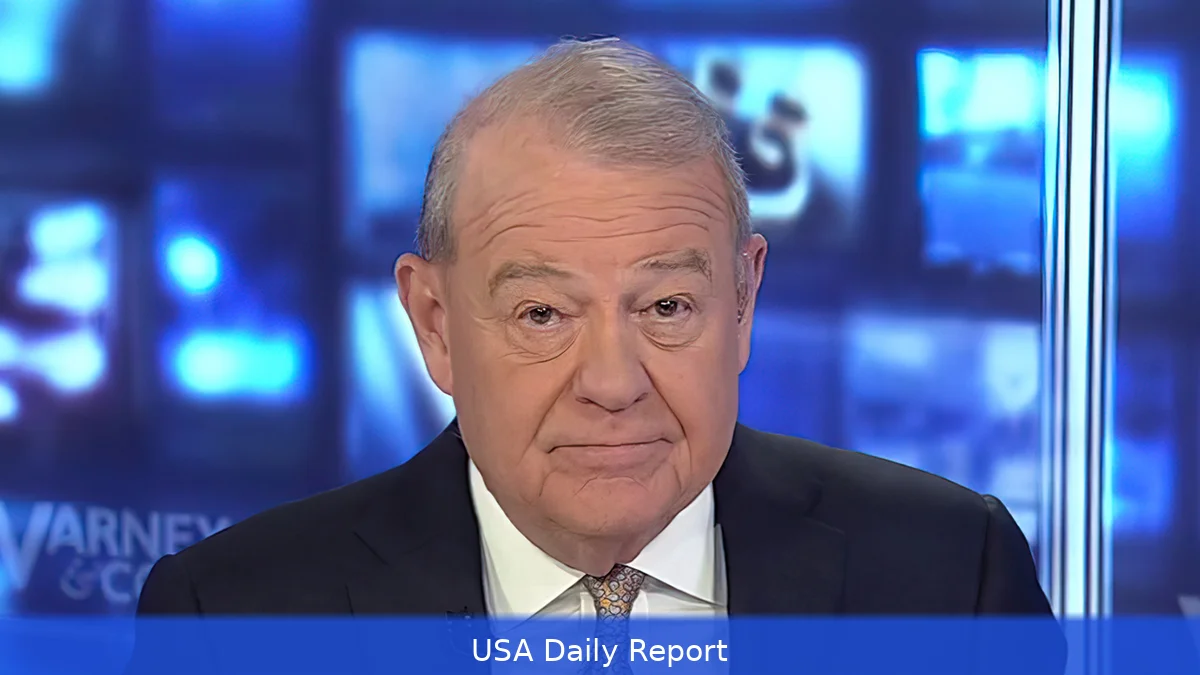
Fox Business anchors urged viewers to ignore a big part of March's inflation jump. They singled out gas prices — and said that once you remove them, inflation looks tame.
How Fox framed the numbers
On live television this week, Stuart Varney, a host on Fox Business, argued viewers should treat the latest consumer price index reading as less alarming than headlines suggested. Varney pointed to the role of oil and said that if you "take out surging gas prices," the month-over-month CPI in March was just 0.2 percent, not the 0.9 percent headline figure he and colleagues were discussing.
Look, anchors on business networks often slice and dice inflation data. But Varney's move set off sharp pushback from critics who said he was cherry-picking one component that directly affects ordinary pocketbooks. The criticism wasn't limited to opinion sites — media observers and some economic commentators flagged the tactic as misleading because gasoline has an oversized and visible impact on household costs.
Fox hosts' reaction: alarm and spin, sometimes in the same hour
At other moments on Fox Business, presenters sounded genuinely rattled. "These numbers are much hotter than expected, guys," reporter Sheryl Casone said on the network's Mornings With Maria program after producer price index and consumer price index releases topped Wall Street forecasts.
That tension — between on-air alarm and attempts to soften the narrative — played out repeatedly over the past week. Some segments stressed the jump in headline inflation and its potential to slow growth, while others focused on the idea that energy-driven spikes are temporary and should be discounted.
Trump's stage and the politics of price rises
Right now, former President Donald Trump used inflation as one of his central attack lines during a press conference at his Bedminster, New Jersey, golf club. He stood in front of tables of groceries and read prepared remarks that sought to make higher prices a clear election-year issue.
Trump told reporters, "I think I'm entitled to personal attacks," when asked about his tone toward Vice President Kamala Harris, and then pivoted back to economic talking points.
That theatrical setup matters. Campaign strategists often want clear, blunt messaging that voters can latch onto.
Trump and his team have been pushing the narrative that the economy, and inflation specifically, are failing middle- and working-class Americans — and they've been trying different ways to make that case stick.
Political pushback and messaging fights
Not everyone in the political arena agreed with Trump's approach. James Singer, a spokesperson for the Harris campaign, dismissed Trump's display at his country club and accused him of misrepresenting his stance on policies aimed at lowering food and prescription drug costs for seniors. "At his country club, Donald Trump, huffed and puffed his opposition to lowering food costs for middle and working class Americans and prescription drug costs for seniors before pivoting back to his usual lies and delusions," Singer said.
Thing is, the clash isn't just about numbers. It's about which numbers get emphasized. Campaigns pick their frames. Media outlets pick theirs. Fox Business, in this case, mixed straight reporting of unusually high monthly inflation readings with segments that urged viewers to ignore energy prices — the very line the Trump campaign benefits from when it wants to argue inflation is temporary or externally caused.
Why gas prices matter more than some anchors admit
Gasoline rarely feels like a niche statistic for consumers. When prices spike at the pump, they stick in people's minds. They also affect costs across the economy — shipping becomes pricier, grocery bills climb, and commuting costs rise. So to strip gas out of the headline is to remove an obvious piece of what most households are experiencing.
Critics noted that the March CPI reading was the biggest year-to-date jump in two years, with the monthly spike drawing attention because wage growth and job numbers have been mixed. Producers' price data also surprised analysts, with month-over-month PPI readings higher than Wall Street had forecast, a point Casone warned viewers about on-air.
That combination of higher input prices and sluggish job creation raises the specter of slower growth and higher prices at the same time — the kind of condition economists dread because it squeezes household budgets without delivering more jobs. Some economists warned that if price pressures broaden beyond energy, the Federal Reserve could face tougher choices about interest rates.
Public mood: confidence falls as energy fears rise
Consumer sentiment surveys showd the public mood. A University of Michigan survey released around the same time showed consumer confidence plunging to a record low in April, citing rising energy prices and worries about fallout from geopolitical tensions. That drop in sentiment gives political messages about inflation extra weight, since voters who feel worse off are likelier to punish incumbent policy makers or blame the current administration.
Still, short-term shifts in energy markets have a history of reversing, which feeds arguments like Varney's that certain spikes are temporary. But critics counter that even temporary spikes can have lasting political effects — and that downplaying visible pain at the pump risks a credibility gap for any outlet or politician that seems out of touch.
What the mixed coverage means for voters
For voters trying to make sense of the noise, the takeaway is messy. Some Fox segments treated the data as a headline risk and warned viewers. Others sought to narrow the story so it fit a calmer narrative. Trump used the numbers onstage to dramatize the economy's impact on households and to force the Democrats onto a defensive footing.
Thing is — picking which slice of inflation to show people alters the story. When networks or hosts present the headline figure, audiences see a big monthly jump.
When they subtract energy or food, the picture looks smoother. That choice shapes blame, urgency and, political fortunes.
Media literacy matters here. Voters should look at both headline and core measures, understand the drivers, and notice who benefits from which framing. The politics of inflation are as much about communication strategies as they're about raw data.
Related Articles
- Gasoline surges 21% as Iran conflict sends March inflation to 3.3%
- Europe Faces a Fresh Inflation Threat as Middle East Shock Sends Oil Prices Soaring
- Bank of England Warns UK Economy Faces Stagnation as Budget Fallout Hits Growth and Living Standards
Varney, Fox Business host, said on air: "take out surging gas prices, and the CPI in March went up just 0.2 percent."


