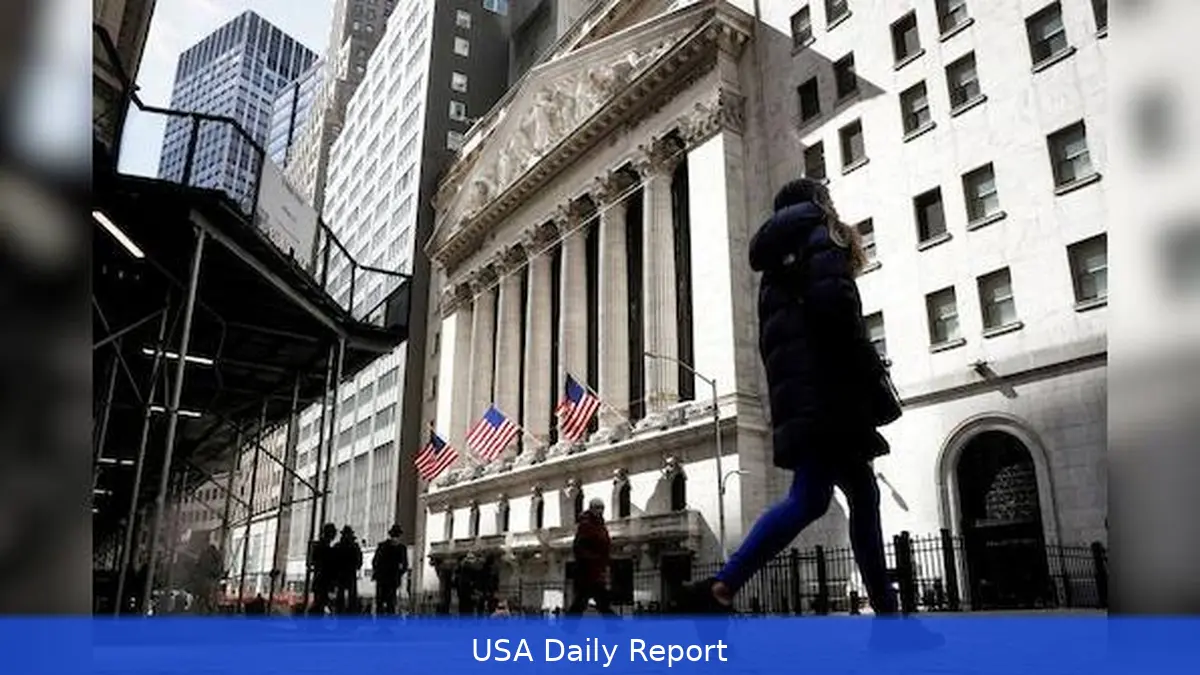
Stocks logged their best week since May 2025. Yet inflation jumped and Americans' confidence cratered.
Rally amid rising prices
The S&P 500 climbed almost 3.5% last week, extending a rebound that has lifted the index about 7.44% since March 30, market data show. Traders greeted the short-lived truce in the Middle East and seemed to look past daily reports of renewed strikes and damage to energy facilities. Look, investors are betting that calm — however fragile — will hold long enough for corporate profits to stay healthy.
But the economic signals are harder to ignore.
Inflation jumps on energy shock
U.S. Consumer prices surged in March after energy costs spiked amid the Iran-related attacks on Gulf production, official data showed. The Consumer Price Index rose 3.3% year-over-year in March, up from 2.4% in February, while core prices — which strip out volatile food and energy components — eased modestly to a 2.6% annual pace. Energy alone recorded an rare month-over-month move: a 21.2% jump, the largest monthly leap since the CPI series began in 1967.
The bottom line is simple — headline inflation is well above the Fed's 2% target. That matters for policy. The higher readings make it unlikely the Fed will feel comfortable cutting interest rates this year, despite public pressure from the White House to move faster on easing.
So oil prices are in the middle of the story. West Texas Intermediate crude traded around $96.33 a barrel at last glance, after earlier testing nearly $117 a barrel following an attack on a major Saudi facility. If the ceasefire breaks down, traders warn oil could quickly revisit triple digits.
Consumers pull back
Put bluntly, consumer sentiment has plunged while stock prices climbed. The University of Michigan's Index of Consumer Sentiment plunged to 47.6 in April 2026 — a record low — with Americans reporting much weaker views of both current conditions and expectations for the future. The survey specifically notes that "many consumers blame the Iran conflict for unfavorable changes to the economy," signaling a direct link between the geopolitical shock and household sentiment.
And the grim mood isn't just a one-off. The Conference Board reported its consumer confidence index fell 7.2 points in March to 92.9, the weakest reading since January 2021. The expectations component — which captures short-term outlooks for income, business and jobs — cratered to 65.2, the lowest since March 2013 and well under the 80 mark often associated with recession risk.
Tariff fears and policy chaos
Trade policy is another driver of anxiety. Reuters reporter Lucia Mutikani flagged write-in responses to the Conference Board survey that pointed to growing worries about tariffs and the broader uncertainty coming from Washington. President Donald Trump's on-again, off-again threat of duties on imports has sown confusion among businesses and households, which surveys show is eroding plans for future spending and hiring.
"Consumers are rattled," said Carl Weinberg, chief economist at High Frequency Economics, describing the mood swing since last year's election. His blunt assessment captures why consumer optimism about future income — once a bright spot — has largely vanished, Stephanie Guichard, senior economist for global indicators at the Conference Board, told reporters.
Why markets can move differently than everyday consumers
There are real reasons the stock market can look disconnected from consumer surveys. Professional investors price assets on expectations about corporate earnings, interest rates and liquidity, not daily household sentiment. When traders see a path to stable rates and resilient profits, they'll keep buying even while consumers tighten their belts.
Still, history shows that markets don't always stay immune. Major sell-offs often follow economic shocks when spending drops, profits disappoint and hiring cools. One recent analysis noted that stock rallies sometimes peak well before recessions end — market sentiment can overheat when investors pile into the same trade.
What this means for the Fed and investors
Higher inflation and shaky consumer surveys make the Fed's calculus. Officials who want more confidence that inflation is under control will point to the March CPI surge and the energy-driven volatility. That makes rate cuts much less likely this year, even as politicians press for cheaper borrowing to boost growth.
Investors face a tough choice — hedge against a policy shock or chase recent gains even though consumer sentiment looks shaky. Some fund managers are already trimming cyclical exposure; others say the recent weekly gains reflect a temporary relief rally, not a change in trend.
Corporate and household consequences
When people lose confidence, they tend to cut back on spending. Households often pare discretionary purchases first — travel, dining and big-ticket goods — which hits sectors such as leisure and retail. Companies that rely on steady consumer demand may see profit margins squeezed if higher energy costs erode sales or force price increases that damp buying.
At the same time, energy producers and defense contractors tend to gain in this environment. That's part of the reason markets can rise even as sentiment sinks: winners emerge in pockets of the economy, and investors chase those returns.
Signals to watch next
Market participants will be watching several concrete data points: the path of oil prices, upcoming CPI releases, monthly jobs reports and any shifts in trade policy out of Washington. Another item to watch: consumer inflation expectations embedded in surveys, since those can feed into wage demands and price-setting behavior.
Hang on though — geopolitical developments in the Gulf remain the wild card. The temporary ceasefire was brokered at the eleventh hour by Pakistan's prime minister and already showed strains; both the physical damage to regional energy output and the rhetoric from Washington are volatile inputs to markets and households alike.
Put simply: stocks can rally on hope, but the data show rising prices and sinking confidence on the ground. Investors who ignore those signals risk getting caught off guard if sentiment and spending unwind faster than current market pricing assumes.
One-sentence paragraph for impact.
Below the surface, the economy is delivering mixed messages — resilient corporate earnings on one side, weakening household mood on the other — and policy choices will matter more than ever.
Related Articles
- CoreWeave Soars as Markets Flip: Ceasefire Rally Meets a Choppy Finish
- Europe Faces a Fresh Inflation Threat as Middle East Shock Sends Oil Prices Soaring
- Fox Business Downplays Inflation Spike as Hosts and Trump Spar Over the Message
"Consumers are rattled," said Carl Weinberg, chief economist at High Frequency Economics.


