
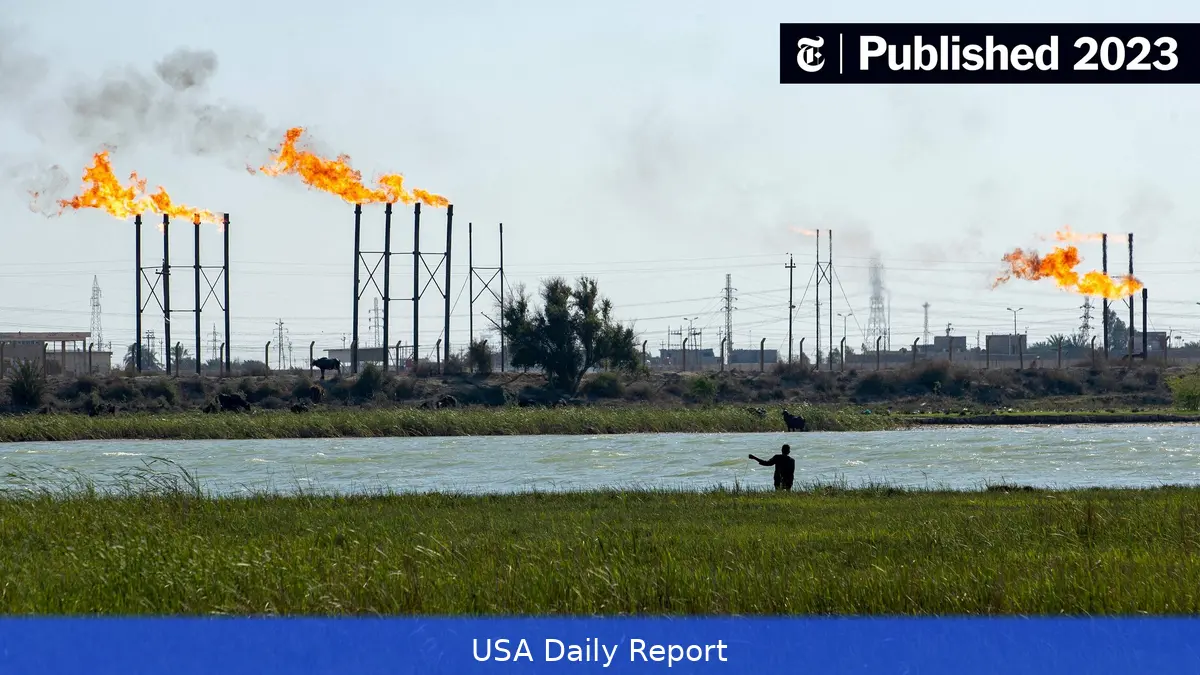
Brent crude has jumped from about $60 to trade in the $80s this year. Markets are jittery and investors are trading more cautiously.
Markets jitter as oil and sentiment swing
European stocks opened higher midweek as hopes of talks over the Iran conflict eased some panic. But traders remain skittish — and not without reason. Volatility indexes have spiked and government bonds have softened as investors scramble to price in a longer conflict.
Oil is the clearest immediate trigger behind the moves.
Brent crude has climbed sharply since the start of the year and has been trading around the low $80s, up from roughly $60 in January. Yet at points this month the contract flirted with the $100 mark before pulling back, underscoring how quickly risk appetite can reverse. The jump in oil prices is stoking worries that higher energy bills will lift headline inflation in Europe and elsewhere.
European benchmarks felt both sides of that argument. The FTSE 100, CAC 40 and DAX all rose in the session covered by markets coverage, buoyed by banks and miners, while energy-sensitive sectors remained volatile. Traders cited a mix of diplomatic signals — including U.S. Comments about talks with Iran — and continued military moves in the region.
How high oil could nudge inflation
When crude rises, fuel and transport bills go up fast, and that feeds into consumer prices. Market-based inflation expectations have already shifted: the five-year U.S. Breakeven inflation rate was trading near 2.51%, its highest in almost a month during the recent bout of volatility. That’s one sign that investors see inflation risks rising.
Goldman Sachs economists estimate that a sustained 10% rise in oil prices adds roughly 28 basis points to the U.S. Consumer price index, a calculation traders are using as a rough guide to how energy shocks translate into headline inflation. Even a temporary oil spike can push central banks to take a more cautious stance on policy.
You can already see that caution showing up in market pricing for policy moves. Fed funds futures trimmed the odds of a U.S. Rate cut by midyear; traders put the chance of a June cut at about 43% after earlier pricing had favored a higher probability of easing. European rate expectations moved too — traders now factor in a higher risk that higher energy costs will keep inflation stickier than hoped.
Wider market moves — and where Europe feels the sting
Equities and bonds haven’t moved in isolation. Global government bonds weakened this week, with the U.S. 10-year Treasury yield rising to about 4.08% at one point. The Cboe Volatility Index shot to its highest level in more than three months, reflecting a broad-based jump in risk-aversion. U.S. Equities also sold off: the S&P 500 briefly hit its lowest level in over three months during the sharpest part of the drop.

Some markets took a heavier hit. South Korea’s KOSPI fell about 12% on a single day in the recent selloff — its largest one-day drop on record — because of that nation’s heavy energy import needs. Europe’s energy importers are watching similar dynamics; when oil rises, consumers and businesses in import-dependent countries feel the pinch through higher gasoline and heating costs.
That’s why analysts are debating how persistent any inflation impulse will be. Lindsay James, investment strategist at Quilter, warned that recent U.K. Readings — headline inflation at 3% in February and core inflation at 3.2% — were measured before the late-month escalation in the Middle East. “It captures February, so it predates the escalation in the Middle East,” James said, highlighting the lag between events and published inflation data.
Political signals and the oil chokepoint
Much of the price action traces back to the Strait of Hormuz, which carries about one-fifth of the world’s oil supply. Any sustained disruption would create a clear risk of higher inflation. Markets reacted not only to supply worries but to political moves: U.S. President Donald Trump said there had been progress in talks with Iran and delayed a threatened deadline tied to military strikes, prompting short-term rallies in risk assets.
That said, optimism has been fragile. Reports that Washington offered a 15-point ceasefire plan to Iran lifted sentiment briefly, but other responses from Tehran were dismissive. Iran’s military described the U.S. Proposal lightly, and the continued presence of U.S. Forces in the region keeps the tail risk in place.
Russ Mould, investment director at AJ Bell, pointed to two opposing forces: banks and miners helped push the FTSE 100 above the 10,000 level, while oil and gas prices remained volatile because of strikes and troop movements. “Oil prices remained volatile as talk of a potential peace plan was offset by ongoing strikes in the Middle East and reports of the US sending more troops to the region,” Mould said.
What investors are doing — and why
Portfolio managers are shifting positions: some are cutting duration in bond books while others move into sectors that tend to withstand higher energy costs. Commodity-linked assets and certain defensive equities have seen inflows. Still, the market’s reaction has been uneven and at times sharp.
“The reaction has become more intense,” said Que Nguyen, chief investment officer of equity strategies at Research Affiliates in Newport Beach, California. Nguyen added that investors are confronting a more complex picture than they expected and that the chances of a quick resolution to the conflict appear slim.
Chuck Carlson, chief executive officer at Horizon Investment Services, boiled the dilemma down to a simple trade-off: investors are trying to weigh inflation risk against the economic slowdown that higher energy prices could trigger. “The biggest issue that (investors) are trying to weigh gets back to the intertwining of inflation and interest rates,” Carlson said.
Markets can usually absorb short shocks, but prolonged supply issues would change that.y struggle when shocks look prolonged. That’s the worry now.
Short-term outlook and policy implications
Soon, analysts expect headline inflation prints to reflect some of the energy pass-through — but how much depends on the duration of higher oil prices and on whether supply routes like the Strait of Hormuz remain at risk. A short burst of higher prices would likely produce one-off increases in consumer price indices. A prolonged disruption would lift core inflation and complicate central-bank plans to ease policy.
Bank of England interest-rate expectations have already shifted amid the turmoil, market strategists said. Traders now price a higher probability that rates will stay higher for longer unless energy prices cool. Powell or other central-bank officials haven’t made new policy announcements tied to the latest flare-up, but markets are repricing policy paths in response to the energy shock.
For now, the numbers to watch are oil prices, short-term bond yields, and market-implied inflation measures such as breakevens and inflation swaps. Those will tell investors whether the shock is temporary or turning structural.
Short sentence. Then a medium one to change the rhythm.
Related Articles
"The reality is setting in that a prolonged conflict could dampen global growth and re‑ignite inflation pressures," said Joseph Tanious, chief investment strategist at Northern Trust Asset Management in San Diego.
This article was created with AI assistance.


