
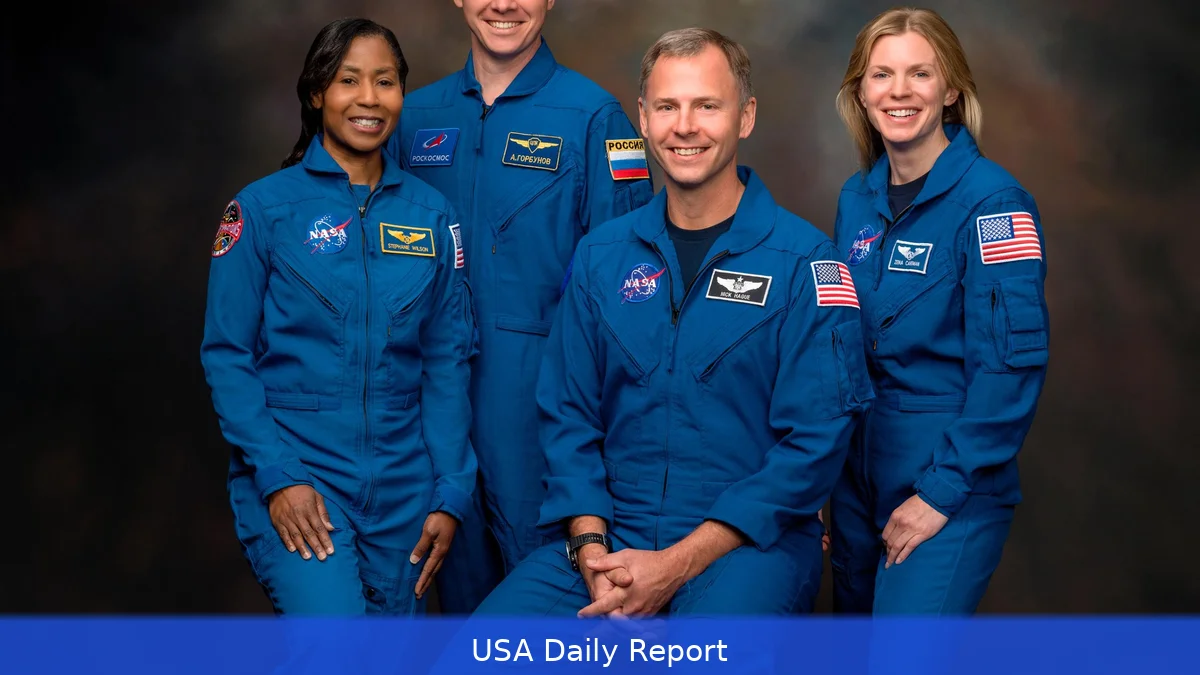
The American space industry has entered a new era defined by fierce competition, groundbreaking innovation, and a shift from government dominance to commercial leadership. NASA, once the undisputed pioneer of space exploration, now shares the spotlight with private companies like SpaceX, Blue Origin, and others. The change goes beyond flashy launches or plans for Mars. It’s about reshaping how space travel, satellite deployment, and space-based services operate — with the potential to impact everything from national security to everyday technology. Here’s a look at where the US space industry stands now, NASA and SpaceX’s roles, and what the new commercial space race could bring. Whether you’re a tech enthusiast, investor, or just curious about the next giant leap, this article breaks down the complexities and highlights why the space frontier is more accessible and competitive than ever.
The Evolution of NASA: From Government Giant to Collaborative Partner
NASA’s legacy stretches back to the dawn of the space age. Founded in 1958, it quickly became the symbol of American ambition and ingenuity, landing humans on the Moon and deploying robotic explorers across the solar system. For decades, NASA operated as the primary driver of space missions, with government-funded projects dominating the industry. But the 21st century brought a shift. Budget constraints, changing priorities, and the rising cost of space exploration forced NASA to rethink its role.
Instead of shouldering every mission alone, NASA began partnering with private companies. The move was strategic — it aimed to reduce costs, accelerate innovation, and foster a vibrant commercial space sector. Programs like the Commercial Crew Program paved the way for companies like SpaceX and Boeing to ferry astronauts to the International Space Station (ISS). NASA still sets ambitious goals, such as returning humans to the Moon and eventually sending astronauts to Mars. Yet, it now relies heavily on commercial partners to deliver hardware, launch services, and even manage parts of low Earth orbit operations.
Working with private companies has changed how NASA operates. It’s no longer just a government agency executing missions but a catalyst for innovation, guiding and funding private-sector breakthroughs. This shift also opens space to new players, smaller startups, and emerging technologies, diversifying the ecosystem beyond traditional aerospace giants.
SpaceX: Disruptor and Pioneer in the Commercial Space Race
SpaceX has shaken up the space industry more than most companies. Founded in 2002 by Elon Musk, SpaceX set out with a bold ambition: reduce space transportation costs and enable human settlement on Mars. Early skepticism surrounded the company, but repeated successes proved otherwise. SpaceX’s Falcon 1 rocket marked the first privately developed liquid-fueled rocket to reach orbit.
Soon after, Falcon 9 and Dragon spacecraft became workhorses for cargo and crew missions to the ISS.
SpaceX stands out because it pushes hard on reusing rockets and making most parts itself. The Falcon 9’s reusable first stage revolutionized launch economics, slashing costs and turnaround times. SpaceX designs and manufactures the majority of its components in-house, speeding development cycles and reducing reliance on external suppliers. The company’s Starship vehicle aims to be a fully reusable super-heavy launch system, promising to carry massive payloads and humans to the Moon, Mars, and beyond.
SpaceX’s commercial contracts extend beyond NASA. It provides satellite launch services for private companies and governments worldwide. Its Starlink program, an ambitious satellite internet constellation, aims to bring broadband access to underserved areas globally. This blend of ambitious goals, cutting-edge technology, and business savvy has made SpaceX a dominant force in the new space race, challenging old models and setting new standards.
The New Commercial Space Race: More Players, Bigger Stakes
The US space industry today is crowded. Beyond NASA and SpaceX, companies like Blue Origin, Rocket Lab, Virgin Galactic, and many startups compete to carve out niches. The new space race isn’t only about getting to orbit—it’s about creating lasting businesses in space. Satellite communications, Earth observation, space tourism, in-orbit servicing, and lunar mining are all battlegrounds for commercial opportunity.
Government agencies still play a vital role, but the focus has shifted to enabling private enterprise. The US government awards contracts, provides regulatory frameworks, and supports research but expects companies to develop workable products and markets. The Federal Aviation Administration (FAA) oversees launch licenses and safety, balancing innovation with public risk. Meanwhile, the National Security Space Launch program ensures reliable access to space for defense purposes, often contracting commercial providers.
Competition pushes fast innovation, but it also brings problems. Launch congestion, space debris, and regulatory hurdles threaten growth. Companies must balance bold ambitions with practical constraints and safety concerns. Still, the influx of capital and talent signals a strong future. Investors see space as the next frontier for technology and commerce, leading to record funding rounds and partnerships.

Technological Innovations Driving the Industry Forward
New tech is at the heart of how the US space industry is changing. Reusability remains key, with companies refining rocket boosters that land vertically and fly again within days. The approach slashes the cost per launch dramatically, making space more accessible. Advances in materials science have led to lighter, stronger components, reducing payload weight and improving efficiency.
Satellite technology is evolving rapidly. Miniaturization allows small satellites, or CubeSats, to perform complex tasks once reserved for large spacecraft. These small satellites enable constellations that provide global internet, real-time Earth imaging, and environmental monitoring. Onboard AI and autonomous navigation improve mission flexibility and reduce the need for constant ground control.
Propulsion systems are also advancing. Electric propulsion offers efficient, long-duration thrust for satellites and deep-space probes. Development of nuclear thermal propulsion promises faster crewed missions to Mars someday. Meanwhile, 3D printing enables rapid prototyping and manufacturing of rocket parts, cutting costs and lead times.
These innovations not only boost performance but also open new mission possibilities. They allow companies to explore lunar resource extraction, in-space manufacturing, and even space-based solar power — concepts previously confined to science fiction.
Challenges Facing the US Space Industry
Despite impressive strides, the industry faces significant hurdles.
Regulatory frameworks struggle to keep pace with innovation. Launch approvals, spectrum allocation, and space traffic management are complex issues with no easy solutions. The risk of collisions in increasingly crowded orbits raises concerns about space debris and long-term sustainability.
Cost remains a barrier. While reusable rockets reduce expenses, developing new technologies and infrastructure demands massive investment. Not all companies will succeed; the high-risk nature of space ventures means failures and bankruptcies are inevitable. This volatility can deter some investors and slow progress.
Workforce development is another concern. The industry requires highly skilled engineers, technicians, and scientists.
Recruiting and training talent to meet growing demand is a continual challenge, especially as global competition intensifies. Diversity and inclusion efforts are critical to tapping the full potential of the workforce.
Geopolitical tensions add complexity. Space is increasingly viewed as a strategic domain, with rival nations advancing their own capabilities. That dynamic influences government funding priorities and international cooperation, impacting commercial operations and market access.
What Lies Ahead: Practical Advice for Stakeholders
For entrepreneurs and startups, the evolving space industry offers both opportunity and risk. Success hinges on identifying workable market niches and developing cost-effective solutions. Partnerships with established players like NASA or SpaceX can provide credibility and funding but require navigating complex procurement processes.
Investors should focus on companies demonstrating technical expertise, clear business models, and regulatory compliance. The hype around space can be tempting, but due diligence is critical. Diversifying investments across sectors — satellite services, launch providers, manufacturing — helps manage risk.
Policy makers must balance supporting innovation with ensuring safety and sustainability. Streamlining regulatory procedures while enforcing responsible behavior in orbit is essential. Encouraging STEM education and workforce development will prepare the next generation for space-related careers.
Consumers can expect more space-based services impacting daily life. Satellite internet, improved weather forecasting, and Earth observation for agriculture and disaster response are just the beginning. Space tourism, while still expensive, is gradually becoming more accessible, hinting at a future where space travel isn’t just for astronauts.
Staying informed is key. The space industry evolves rapidly, and understanding its trends helps stakeholders make smarter decisions. Bookmarking authoritative resources, following key launches, and engaging with industry developments will pay off in the long run.
The US space industry is no longer a government-only domain but a dynamic arena where public agencies and private companies race side by side. NASA’s transformation into a partner and SpaceX’s disruptive innovations have redefined what’s possible. This new commercial space race fuels rapid technological progress, opening doors to opportunities once unimaginable. But it also brings challenges — regulatory, financial, and environmental — that require careful navigation. For anyone involved or interested, the key lies in understanding this complex ecosystem and its evolving rules. The future of space is bright, but it demands smart strategy, collaboration, and resilience to truly reach new heights.
This article was created with AI assistance.


