
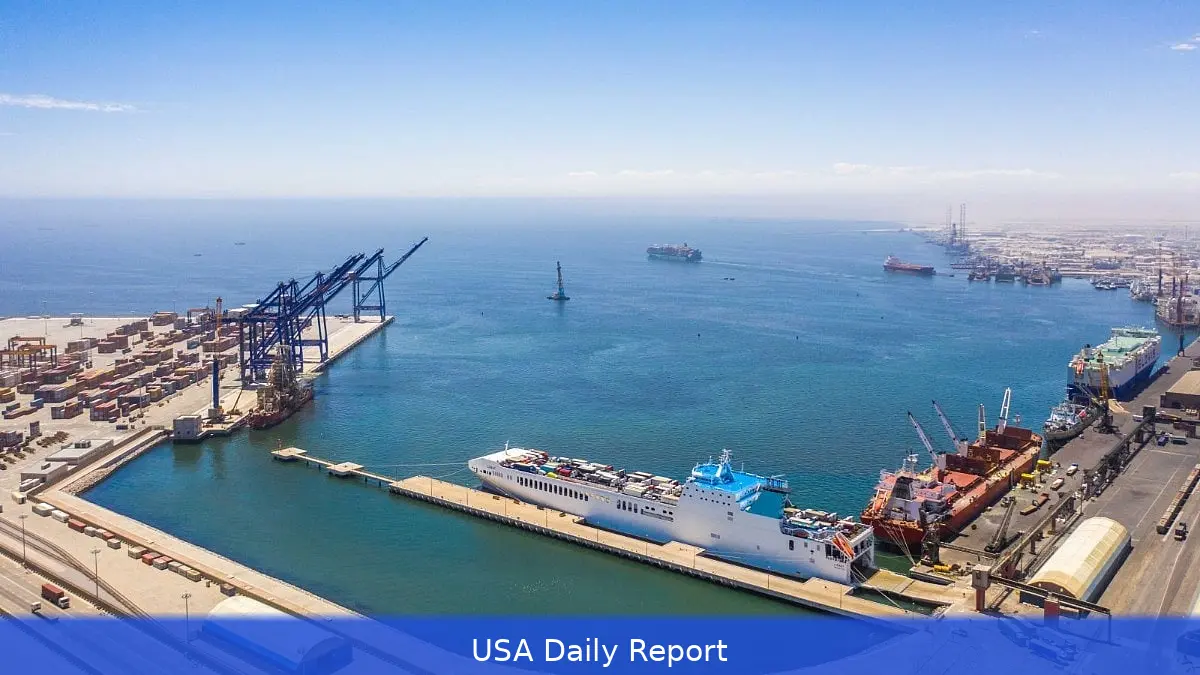
Ships are avoiding the Red Sea and Suez Canal. Rerouted vessels are stopping more often along Africa’s coast — including Mauritius. The detours are adding days and dollars to global trade.
Reroutes and refueling: what changed
Since attacks in the Red Sea and rising military action across the Middle East, many shipping lines have shifted routes to avoid the Bab al-Mandeb chokepoint and the Suez Canal. Major carriers including Maersk, Hapag-Lloyd and CMA CGM announced this month that they’re sending vessels around the Cape of Good Hope rather than risk transiting the Red Sea, according to industry notices reported by maritime outlets. The longer voyage calls for extra fuel stops, and ports along Africa’s eastern and southern coasts are seeing more business as a result.
It's straightforward: longer routes require more fuel.
Rerouting a Singapore-to-Rotterdam voyage through the Cape adds roughly 3,280 nautical miles compared with the Suez route — pushing the trip from about 8,440 to roughly 11,720 nautical miles. That often translates into an extra 10 to 15 days at sea and higher operating costs for shipowners. Kwang Poon, a geopolitical strategist writing about the trend, pointed to those distance and time penalties as a key reason carriers are making extra refueling stops at African ports.
Why Mauritius and other African ports are winning
Ports around the Cape are naturally positioned to capture demand for fuel and supplies. Mauritius sits near major southbound lanes that tankers and container ships use when avoiding the Red Sea. The island nation already handles thousands of transiting ships each year; on a normal year roughly 20,000 vessels pass by Mauritius, Kwang Poon noted in an analysis of regional routes. With more ships taking the Cape route, local bunkering companies and suppliers are expanding capacity and services.
That investment is happening fast. Fuel traders and bunkering firms are accelerating plans to open new supply points and expand storage, according to maritime trade reporting. The shift is attracting not only local players but also international traders who see higher demand for marine fuel along Africa’s coast.
Costs, delays and the ripple effects
The detours are already affecting freight economics. Rerouted voyages consume more fuel, take crews longer, and require additional port calls. Kwang Poon estimated the extra distance can raise costs by 30 to 40 percent for some sailings, depending on weather and ship type. The Drewry World Container Index — a widely followed gauge of container freight costs — registered upticks after carriers revised prices to account for the higher risks and longer routes.
Those increases don’t stay confined to shipping ledgers. Higher freight rates and longer transit times feed into the broader supply chain: retailers get later deliveries, manufacturers face longer lead times for components, and consumers may see higher prices for goods that rely on long maritime routes. U.S. Importers of Asian-made goods could feel the squeeze, particularly for heavy or time-sensitive cargo.

The bottom line is that higher costs for carriers often get passed on to others.
Security drivers and political context
The original trigger for mass rerouting was sustained Houthi attacks on commercial shipping in the Red Sea, which began in late 2023 and have continued intermittently. The Israel-Iran conflict that flared in mid-June — after what one outlet described as a surprise Israeli air campaign and a swift Iranian response — has added fresh volatility, according to reporting on the wider regional situation. The combination of threats in and near key waterways has made the Suez and Bab al-Mandeb routes less predictable.
Ships aren’t the only actors responding. Navies, insurers and cargo owners have all adjusted operations. Insurance premiums for voyages through high-risk zones rose, prompting some operators to prefer longer but less-risky routes. The U.S. Has warned that further escalations could draw direct American involvement, and several navies have increased patrols or escorts to protect merchant traffic in contested regions — moves that change the calculus for ship operators weighing risk versus cost.
Who benefits — and who pays?
Bunkering firms and ports along Africa’s east and south coasts are the obvious near-term beneficiaries. Ports that can offer quick, reliable refueling and efficient turnaround are seeing demand growth. Baird Maritime reported that African refueling hubs have experienced a surge in business as carriers divert around the Cape of Good Hope. That boost is prompting investments in storage tanks, day-to-day supply logistics and onshore infrastructure.
But the gains come with trade-offs. Longer voyages cost more fuel overall. They also keep vessels at sea longer, reducing fleet productivity. Carriers may try to recoup those costs through higher freight rates or surcharges. For shippers, that may mean negotiating new contracts or searching for alternative suppliers closer to consumption markets.
U.S. Implications
For the U.S., these shipping changes have some real consequences. First, higher freight rates from Asia to the U.S. East Coast tend to raise import bills and can add to inflationary pressure on consumer goods. Second, strategic attention may pivot: longer routes through the southern oceans put more pressure on maritime logistics and allied port infrastructure — and they could require expanded maritime security cooperation with partners in the region.
Finally, energy flows are part of the picture. The Bab al-Mandeb and Suez are key to oil and LNG shipments — collectively accounting for a sizeable share of world energy movements. Disruptions that prompt steady rerouting can add volatility to global energy markets, which in turn affects U.S. Gasoline and wholesale fuel prices.
That said, rerouting has also created new commercial opportunities for firms that can move quickly and scale supplies — and U.S. Companies in shipping, fuel trading and marine services are part of that ecosystem.
Longer-term shifts and questions
Industry watchers are watching whether the current detours become a semi-permanent change in global patterns or a temporary blip tied to regional conflict. Some ship types — ultra-large container vessels — can't always use alternative routes because of size constraints; those ships were already forced to use the Cape route for design reasons. But for many carriers the recent decisions are deliberate risk-avoidance steps tied to security and insurance calculations.
How long carriers keep calling at African bunkering points will depend on whether maritime security improves in the Red Sea and whether insurance and naval escorts bring down the risk premium for transits. If hostilities ease and the Suez route regains its predictability, some shipping lines may revert to the shorter path. If instability persists, investments now made by ports and suppliers along the Cape route could lock in longer-term traffic.
Hang on though — even if traffic patterns revert, the recent expansion of refueling capacity in places like Mauritius may leave a permanent mark on regional maritime services.
Related Articles
Kwang Poon noted that roughly 20,000 vessels pass by Mauritius in a typical year — and many more are stopping now as carriers reroute around the Red Sea.
This article was created with AI assistance.


