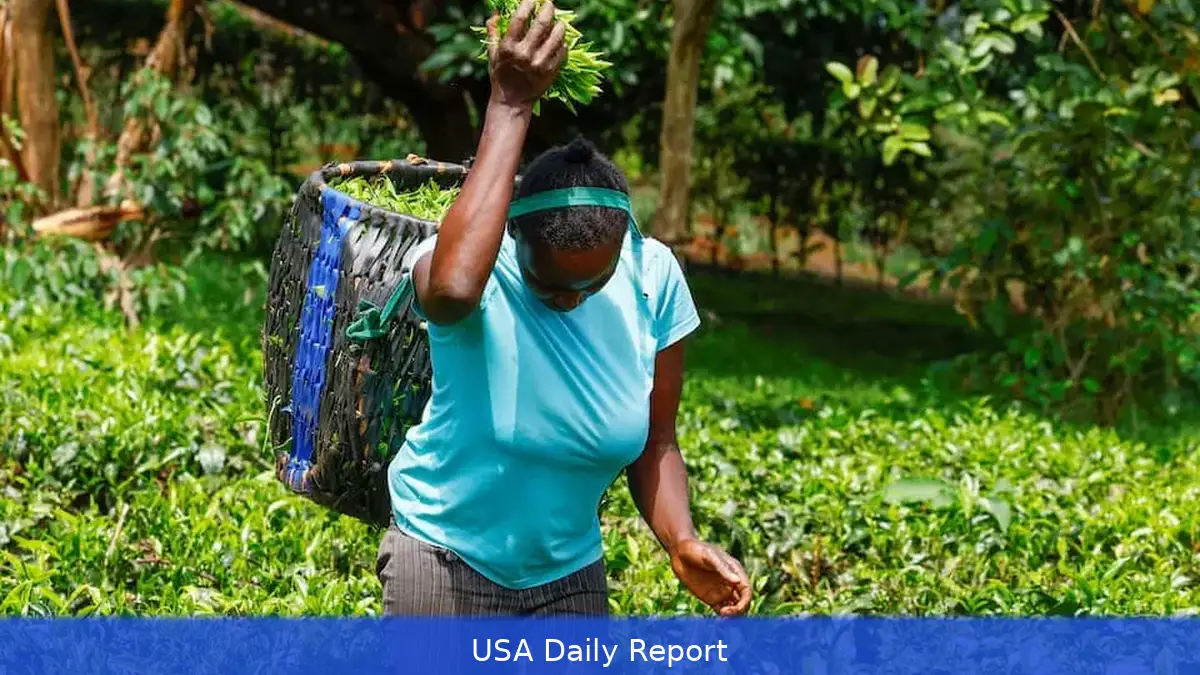
Eight million kilos of tea are stuck in Mombasa. Exports are losing about $8 million a week.
Stranded cargo, mounting bills
Tea consignments totaling roughly 8 million kilograms are currently held at the Port of Mombasa after shipping routes were disrupted by the war in Iran, industry handlers say. The backlog is already costing the tea trade about $8 million per week in lost revenue and added expense. The bottleneck is hitting exporters and growers across Kenya, and it's reverberating through global supply chains that depend on East African tea.
This isn't just a logistics problem — it's hitting businesses that count on steady shipments to buyers in Europe, the Middle East and elsewhere.
Why Mombasa matters
Mombasa handles huge volumes of cargo for East Africa, making delays there a big deal for regional trade. Transit times and container availability there affect landlocked neighbors and regional supply lines. When ships are rerouted or delayed — as happened after shipping lanes became less reliable because of the conflict linked to Iran — containers pile up, port terminals get congested and demurrage charges rise.
Ports work on tight schedules, so when a ship misses a call the disruption spreads fast through the schedule.
What usually moves in days can sit in port for weeks when schedules break down. That drives storage costs and forces exporters to scramble for alternative routes, if any are available.
How the war in Iran is affecting shipments
Insurers are charging more for ships operating near the conflict, and some lines are re-routing vessels to stay clear of dangerous waters.
That has reduced the number of regular sailings to Mombasa and slowed the pace at which cargo moves through the terminals.
Thing is, tea is a low-margin commodity for many smallholders. When shipments stall, buyers can cancel contracts or demand discounts for delayed deliveries. Exporters then face write-downs or extra fees that cut into already thin returns for farmers.
Economic pain in Kenya
Tea is one of Kenya's top foreign-exchange earners and a major source of rural employment. Delays at Mombasa mean cash flows to tea factories and auction houses are disrupted. That matters for payrolls, for the timing of purchases of inputs like fertilizer and for farmers who depend on seasonal payments.
For some small-scale growers, a delayed sale can translate into weeks with no income. For buyers, unpredictable supply increases the risk of shortages in seasons where demand typically rises.
Global market ripple effects
Tea markets are much smaller and less liquid than oil markets, so big disruptions can move prices more quickly. A large, sudden supply disruption from East Africa can nudge prices for certain grades of black tea upward, especially in markets that rely on Kenyan blends. Retailers and wholesalers might shift orders to alternative origins, but that takes time and can raise costs further.
So U.S. Importers who stock African-origin teas for blends and specialty stores may face delays and higher prices. That matters to American retailers that sell tea-based beverages and to supermarkets that stock mass-market tea bags. While the U.S. Isn't the largest destination for Kenyan bulk tea, it's part of a global network that transmits price and availability changes quickly.
Political and fiscal implications
At the national level, fewer exports mean weaker foreign-exchange inflows for Kenya. That can pressure the currency and complicate government budgeting if the disruption persists. Regional trade partners that depend on reliable transit through Mombasa — including Uganda, Rwanda and South Sudan — may feel the strain in imports and in their own export channels.
And there's a governance angle. Port congestion often forces public agencies and private terminals to coordinate to avoid cascading failures. When commercial volumes fall unexpectedly, questions arise about contingency planning and whether ports have the flexibility to reassign berths or accelerate customs clearance to get goods moving again.
What exporters are doing
Exporters are scrambling — some are chartering ships, others are routing cargo through different ports, and many are renegotiating delivery dates with buyers. But those measures cost money. Chartering vessels raises freight bills. Using alternative ports typically adds inland transport costs and time.
Many exporters are also talking with insurers and freight forwarders to manage the increased risk premium attached to shipments passing near or through contested waters. That paperwork adds delays and administrative costs. Every extra day in port raises the chance perishable lots degrade or fetch lower prices at auction.
How buyers react
Big buyers usually have the clout to demand discounts or cancel orders when delays run past contractual deadlines. Smaller buyers — specialty tea houses, importers who run thin inventory — don't have that bargaining power. They could be left with gaps on their shelves and have to hunt for substitutes.
Right now, traders who blend Kenyan tea with other origins have to decide whether to buy at a higher price to keep their brand consistent or switch recipes and accept a product change. Either choice can affect margins and customer experience.
Options for consumers and businesses
For U.S. Businesses and consumers, the immediate options are limited. Retailers can increase stock from other origins, promote different products, or absorb higher costs. Consumers may see modest price moves on certain brands, or stores might change the blends they promote.
Bottom line: a choke point thousands of miles away can still show up on store shelves here. They travel along the routes that global trade follows — and those routes include buyers in the United States.
Longer-term questions
How long the backlog lasts depends on two things: the duration of the disruption linked to the war in Iran, and whether carriers and insurers find a new equilibrium for routing and premiums. If the risk perception drops and schedules normalize, the Mombasa backlog could unwind relatively fast.
But if high insurance costs and altered routes stick around, exporters may face a longer period of higher overheads and uncertainty. That would push more pressure onto profit margins at every level of the supply chain, from auction houses to smallholder farmers.
Frankly, strategic decisions need time. Ports, carriers and buyers will likely rework contracts, contingency plans and insurance arrangements to reduce the chance of a repeat episode.
What to watch next
Watch shipping schedules, insurance-rate announcements and notes from major carriers that serve East Africa. If regular sailings resume and insurance costs fall, Mombasa's congestion should ease. If not, exporters will keep tallying weekly losses — and some of those will ripple through prices and availability abroad.
Related Articles
- Iran Conflict Shakes Global Power and Economy: Winners and Losers Emerge
- German transgender far‑right extremist arrested in Czech Republic amid new gender‑law debate
- Banks Hold Firm on Gold’s Long-Term Rise Despite Recent Slump Amid Geopolitical Shifts
About 8 million kilograms of tea remain stranded in Mombasa, costing the industry roughly $8 million each week.


