
The Dow Jones Industrial Average finally turned positive for the year on Thursday, climbing 276 points as Wall Street shook off early jitters. Oil prices, meanwhile, pared some gains but stayed elevated above $98 a barrel. Investors are still trying to make sense of a fragile ceasefire between the U.S. And Iran, coupled with rising cyber threats targeting critical infrastructure.
Market Moves Amid Ceasefire Uncertainty
Stocks in the U.S. Gained ground for a second day, led by the Dow, which added 0.58% to reach 48,185.80, marking a modest year-to-date increase of 0.26%. The S&P 500 edged up 0.62% to 6,824.66, while the Nasdaq rose 0.83% to 22,822.42. Smaller companies also saw gains, with the Russell 2000 climbing 0.6% to 2,636.31.
Earlier in the day, indexes dipped after Asian and European markets fell, but then they bounced back. The shift came after Israeli Prime Minister Benjamin Netanyahu gave the green light for direct negotiations with Lebanon, easing some tensions in the region. Investors saw this as a hopeful sign the ceasefire announced late Tuesday could hold, even though many remain skeptical.
Still, the ceasefire remains fragile. Tehran continues to exert control over the Strait of Hormuz, a vital oil shipping lane, and recent strikes on Beirut have kept geopolitical worries simmering. Talks between the U.S. And Iran expected to take place soon hold the potential to either calm or inflame the situation further.
Oil Prices Stay High Despite Pullback
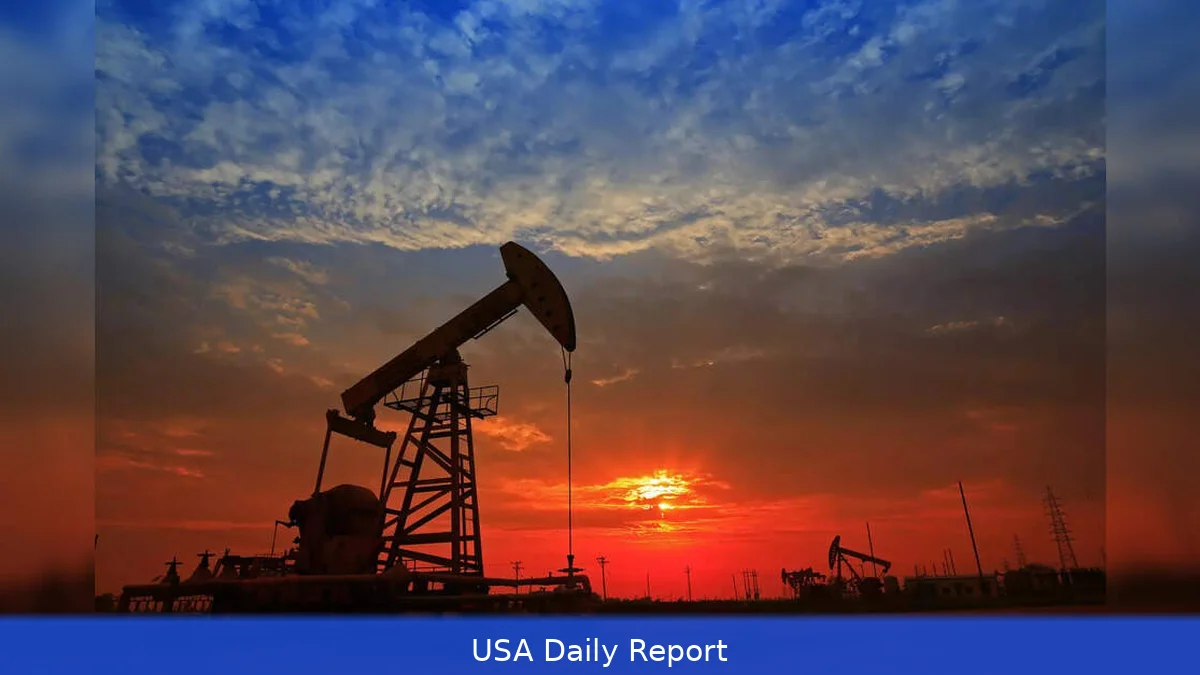
Oil prices surged earlier in the session, briefly topping $100 a barrel for West Texas Intermediate crude. By the close, WTI settled just above $98, up about 4% for the day. Brent crude also climbed 2%, trading above $96 a barrel.
That’s a sharp jump from just a few weeks ago, when prices hovered closer to $85.
The spike in oil comes amid ongoing supply concerns linked to the Middle East conflict. Sultan Ahmed Al Jaber, CEO of Abu Dhabi National Oil Company, made it clear that the Strait of Hormuz remains partially closed, with access restricted and controlled. That’s a big worry because roughly 20% of the world’s oil passes through this chokepoint.

When oil prices rise, it usually spells trouble for the broader economy. They can push up inflation and increase costs for businesses and consumers alike. Still, Wall Street is choosing to focus on the chance the ceasefire holds and stops things from getting worse.
Tech and Defensive Stocks Provide Support
Tech giants’ shares helped push the market higher on Thursday. Meta Platforms jumped more than 2% after unveiling a new AI model, sparking investor enthusiasm about the company’s growth prospects. That lifted the Nasdaq, which is heavily weighted toward technology stocks.
At the same time, defensive sectors like utilities and consumer staples also contributed to the rally. Companies such as Walmart and Constellation Energy saw their shares rise, reflecting a cautious mood among investors who want safe havens amid uncertainty.
Overall, the market’s breadth was healthy, with most sectors participating in the advance. The S&P 500’s 41.85-point gain on the day adds to a strong weekly performance, with the index up 3.7% over the past five days and the Dow rising 3.6%. The Nasdaq has gained 4.3% this week, while the Russell 2000 is up 4.2%.
Cybersecurity Threats Cast a Shadow
But it’s not just geopolitical tensions and oil prices rattling markets. U.S. Officials have raised alarms about increasing cyberattacks linked to Iran, targeting water and energy infrastructure. Federal agencies including the Environmental Protection Agency, FBI, Cybersecurity and Infrastructure Security Agency, and National Security Agency issued a joint advisory warning of ongoing threats to operational technology systems used in critical sectors.
Such attacks could disrupt essential services and raise serious concerns about national security and public safety. The threat has investors eyeing cybersecurity firms like CrowdStrike, Palo Alto Networks, and Fortinet as potential beneficiaries of increased demand for digital defenses.
Exchange-traded funds focused on cybersecurity, like the Global X Cybersecurity ETF, also provide ways for investors to gain exposure to this growing industry. At a 0.51% expense ratio, such ETFs offer diversified access to companies that might profit if cyber threats continue to escalate.
Cybersecurity threats add another layer of complexity to an already tense market. Investors have to balance hopes for a peaceful resolution in the Middle East with the reality that conflicts now extend to digital battlegrounds.
Looking Ahead
Investors will be watching the upcoming U.S.-Iran talks and any news about the ceasefire closely. Oil prices could remain volatile, responding to any shifts in supply routes or escalation risks. And cyber threats will likely remain a key concern for policymakers and investors alike.
So far, cautious optimism on Wall Street has helped lift stocks after a shaky start to 2026. The Dow’s move into positive territory for the year is a milestone, but plenty of hurdles remain before investors can breathe easy.
Related Articles
Meta’s AI launch and easing Middle East tensions helped Wall Street rally Thursday, but high oil prices and growing cyber threats keep uncertainty alive as the market tries to find steady ground.
This article was created with AI assistance.


