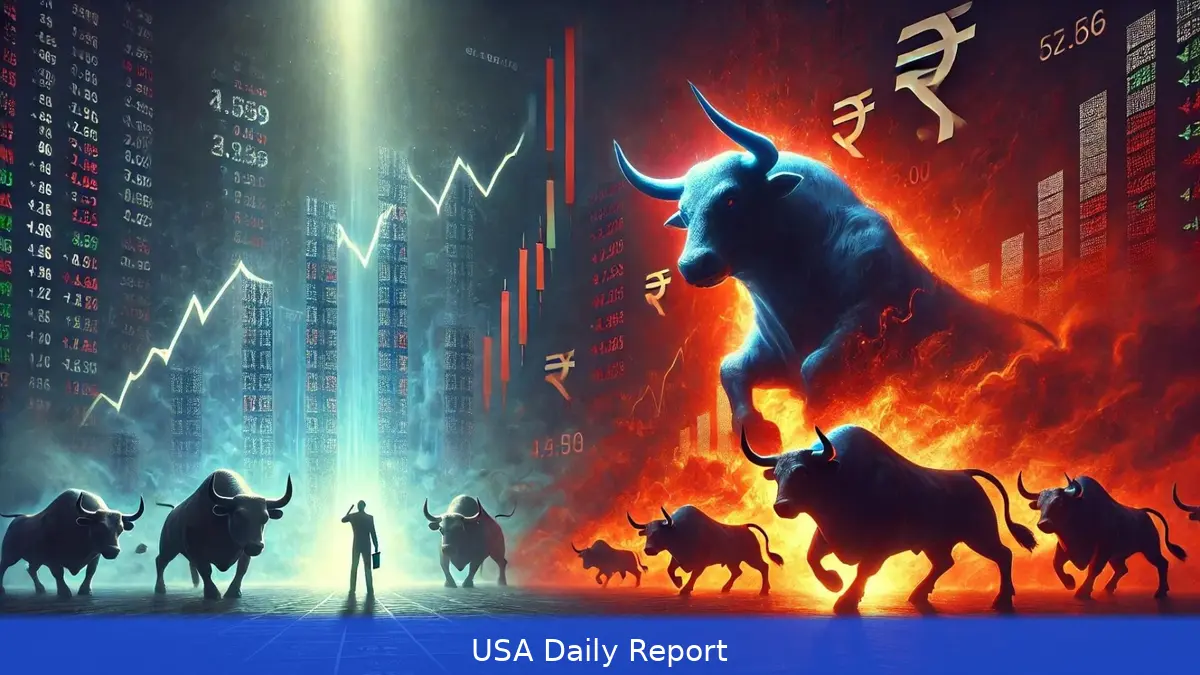
Despite simmering geopolitical tensions in South Asia, investors put more money into Indian stock funds in March. Even with complex political issues in the region, fund flows kept growing, showing investors still trust India’s economy.
March Flows Defy Regional Risks
India’s stock funds attracted a surge of investments last month, bucking concerns over geopolitical tensions in the neighborhood. Investors moved capital into Indian equities despite the ongoing war in nearby regions and the broader unease surrounding the nuclear-armed triangle of China, India, and Pakistan. The inflows show a clear appetite for exposure to what many see as one of the fastest-growing major economies in the world.
Look, the idea of conflict in South Asia has been a longstanding worry for investors. Billionaire investor Ken Fisher has pointed out that these three countries "usually don't like each other," and while he thinks war isn’t likely, he doesn’t rule it out. He calls any conflict between these nuclear powers "catastrophic." That said, the stock fund inflows suggest many are willing to weigh potential risks against the big growth opportunities.
India’s economy has held up well despite global uncertainty, inflation, and tighter monetary policies. The country’s expanding middle class, tech boom, and government reforms continue to attract foreign and domestic investors. So, even with the shadow of geopolitical risk, the market’s momentum hasn’t slowed.
Ken Fisher’s Take on Geopolitical Risks and Markets
Ken Fisher, a veteran investor with five decades of experience, recently shared his views on the geopolitical chessboard involving China, India, and Pakistan. He described the trio as a "nuclear-armed triangle" with clashing economies, politics, and cultures.
"They usually don’t like each other," he said, pointing to the inherent tensions that could flare up unexpectedly.
Still, Fisher remains cautiously optimistic about the global economy despite these risks. He has been bullish on the economy for months, even as inflation surged and central banks raised interest rates. But he also warned that markets often overlook "big surprises"—threats that might not be priced in yet but could shake global stocks and GDP.
One example Fisher gave was the 2007 mark-to-market accounting rules, which magnified the mortgage crisis and wiped $2 trillion off bank balance sheets worldwide. His point: markets aren’t always prepared for shocks that come out of nowhere.
When it comes to central banks, Fisher is skeptical about their ability to steer markets smoothly. He reminded investors how Fed Chair Jerome Powell was not "thinking about" a 75 basis point rate hike just a month before it happened. Fisher calls central bankers "just about as crazy and out of their minds as you can be." That blunt assessment explains why Fisher rarely worries about central bank moves but keeps an eye on other hidden risks.
Where Fisher Is Putting His Money Now
Despite these worries, Fisher has identified sectors he believes will perform well in a moderate growth environment with easing inflation. Energy and high-end consumer luxury goods are among his favorites. He sees value in "big healthcare" stocks too, expecting them to gain momentum as market dynamics shift.
Fisher doesn’t chase bargains based on valuations alone, saying they "don’t usually tell you much" about short- to intermediate-term price moves. Instead, he looks for sectors that can thrive as growth slows gradually and inflation cools down. That’s a detailed approach that balances risk and opportunity amid uncertain times.
On the topic of the 2024 tech rally, Fisher hinted at a method to spot bubbles but stopped short of calling the current surge irrational. He emphasized the importance of looking beyond hype and identifying the "garbage that tells you" whether a rally is sustainable. That kind of skepticism fits with his broader caution about unseen risks lurking in markets.
Implications for Investors Eyeing India
India’s stock fund inflows in March suggest confidence in the country’s economic fundamentals outweighs fears over geopolitical conflicts. Investors appear willing to accept the regional risks for the potential rewards of exposure to one of the world’s fastest-growing economies.
But the geopolitical landscape isn’t something to ignore. The nuclear-armed triangle of China, India, and Pakistan remains a fragile balancing act.
A sudden escalation could rattle markets and derail investor sentiment. That’s why seasoned investors like Fisher keep these dynamics on their radar, even as they navigate the day-to-day market moves.
India’s growth story is backed by strong domestic demand, ongoing reforms, and a youthful population. These factors have drawn foreign capital despite bouts of global market volatility. The country’s tech sector and consumer market continue to expand rapidly, fueling optimism among fund managers and retail investors alike.
But investors need to stay alert because geopolitical conflicts could still pose risks. The situation demands a careful balancing act—betting on growth while watching for flashpoints that could cause sudden market swings.
Right now, India’s markets are riding a wave of inflows that show faith in its future. But the shadow of South Asia’s geopolitical tensions hangs over these gains, reminding investors that the road ahead may not be smooth.
Related Articles
- JPMorgan Sees Market Still Leaning Toward US Rate Cuts Despite Fed Caution
- India’s Biggest Currency Clampdown in a Decade Could Backfire
- Uniqlo Owner Fast Retailing Sets Sights on Record Year After Surging Quarterly Profits
The surge in India fund flows last March shows many investors are ready to overlook regional risks to chase growth. Yet the nuclear-armed neighbors remain a wildcard. The question is: will confidence hold if tensions escalate?


