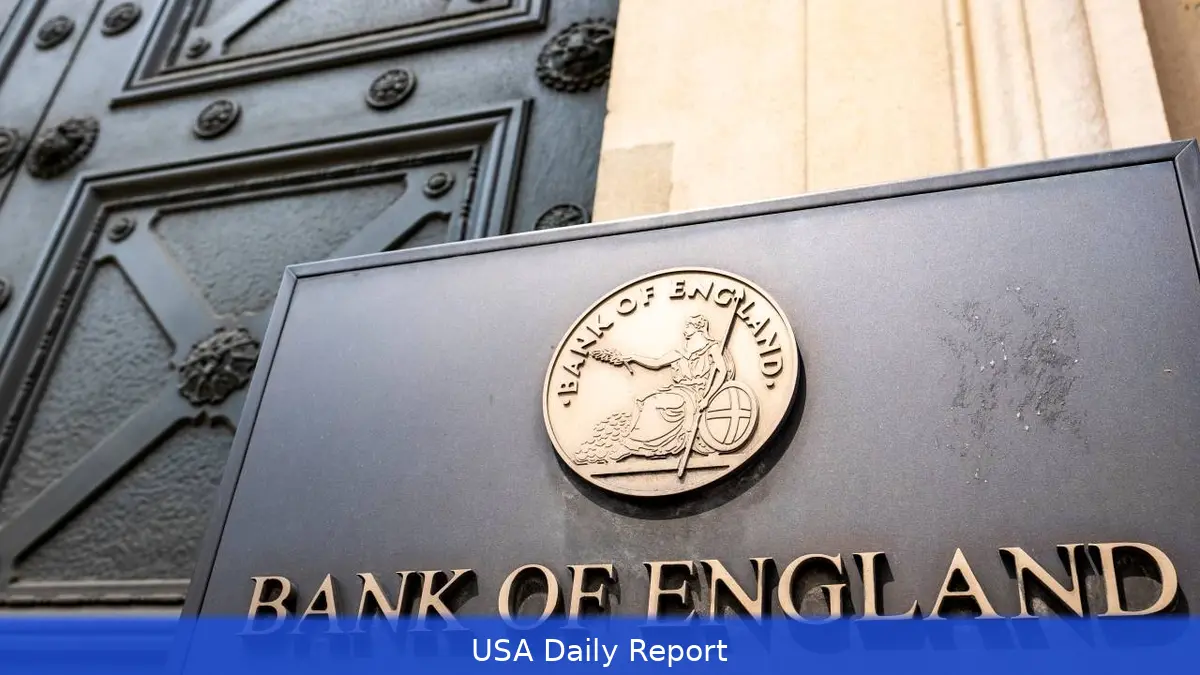
Inflation ticked up to 2.6% in November, shaking consumer confidence and sparking fresh concerns about Britain's economic outlook. The Bank of England’s latest findings reveal a brewing storm of higher prices, shrinking jobs, and stagnant growth following the government’s controversial budget moves.
Inflation Creeps Up as Households Feel the Pinch
Consumer prices in the UK rose to 2.6% in November, up from 2.3% the previous month. The numbers seem small, but they hit people’s wallets hard. Many families say the official narrative of a stabilized economy with inflation near 2% doesn’t match their experience. In fact, a growing share of working households report feeling squeezed by rising costs, reflecting a disconnect between government messaging and reality on the ground.
A recent survey by Bank of England agents shows this disconnect clearly. These agents, who regularly speak with businesses across the country, report that rising prices and reduced employment prospects are increasingly common concerns. Companies are reacting to a tougher budget environment with cuts to staff hours, pay freezes, and price hikes.
Budget’s Tax Hikes Spark Business Backlash
The government’s £25 billion hike in employer National Insurance contributions is weighing heavily on the economy. Businesses are passing these costs on to consumers through higher prices, while simultaneously trimming payrolls to manage expenses. That combination is biting into household incomes and dampening consumer spending.
Bank of England officials say the tax hike is hurting business confidence. Companies are reportedly less confident about the pace and strength of any economic recovery. The budget shock has added uncertainty, making policymakers reconsider their growth and inflation forecasts.
Growth Prospects Dim as Recession Fears Rise
The Bank downgraded its growth forecast sharply after the budget announcement. It now expects zero growth in the last quarter of 2024, a reversal from an earlier estimate of 0.3%. Economic output actually shrank in October, raising the specter of a recession.
This contraction, coupled with stubborn inflation, sets the stage for a tough stretch ahead.
Labour leader Sir Keir Starmer says their budget measures are already benefiting low-income families. Yet the Bank’s survey paints a bleaker picture, with many households resigning themselves to stagnant growth and lower living standards as the new normal. Rather than a quick fix, the economic toll of the budget appears to be settling in for the long haul.
Housing Market Suffers from Consumer Gloom
The budget’s fallout isn’t limited to employment and prices. Bank of England agents have noticed the housing market slowing down. Many buyers are holding back because they don’t think now’s a good time to buy. That hesitation threatens to derail a fragile recovery in home sales, adding another layer of pressure on the economy.
Falling confidence in the housing sector could have ripple effects across financial markets and consumer wealth, making the broader economic picture even more challenging. The property market often acts as a bellwether for economic health, so its struggles show the depth of uncertainty gripping the UK.
Policymakers Stay Cautious Amid Uncertainty
Given this situation, the Bank of England chose to keep interest rates at 4.75%. Governor Andrew Bailey said the central bank can’t promise rate cuts because the budget’s effects are unpredictable. The risk of inflation spiraling or growth faltering further means policymakers are walking a tightrope.
Higher interest rates could worsen the pressure on households already grappling with rising living costs. But cutting rates too soon might fuel inflation, which remains above the Bank’s target. The balancing act is delicate, and the economic path ahead looks rocky.
Analysts warn 2025 might bring more cost shocks, trapping the UK in slow growth and persistent inflation. The government’s tax hikes and spending plans have sparked a complex chain reaction that won’t be easy to reverse.
Related Articles
- JPMorgan Sees Market Still Leaning Toward US Rate Cuts Despite Fed Caution
- Netflix Faces Backlash as Italian Court Orders Massive Subscriber Refunds Amid Earnings Season for Big Banks
- HelloFresh’s $70 Million AI Push Aims to Lock In Customers Amid Rising Food Prices
The Bank of England’s latest survey reveals a UK economy struggling to find its footing after a budget that hit businesses and households hard. With inflation creeping up, growth stalling, and consumer confidence sagging, the coming months could prove challenging both for policymakers and the public.


