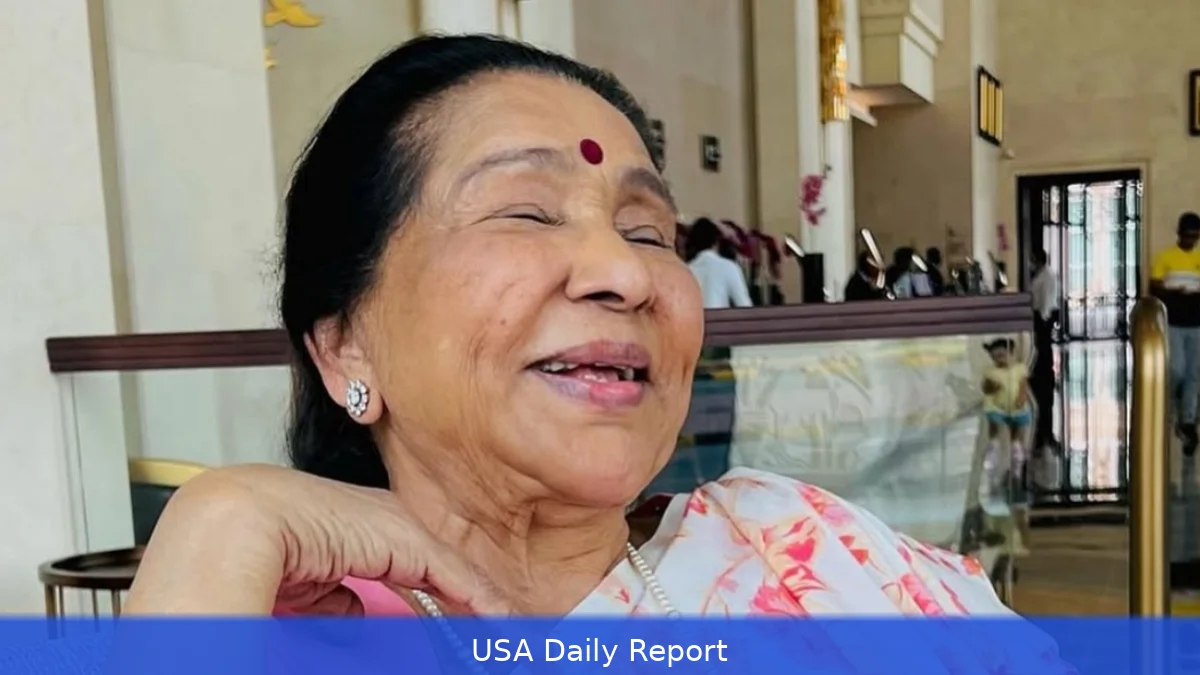
Reports of Asha Bhosle's death should be verified with an authoritative source before publication; confirm the date and circumstances first. Many listeners and critics credit Bhosle with influencing generations of film singers and song styles across India.
End of an era
If confirmed, her death would mark the end of a long career whose songs reached audiences well beyond Indian studios. She died at 92, leaving behind a catalogue of songs that helped define Bollywood for much of the 20th century and into the 21st.
A singer's death hits fans personally, and for wider communities it often becomes a cultural milestone tied to memory and ritual.
Bhosle worked across multiple decades and collaborated with several generations of music directors. She sang in many styles, from classical-based film numbers to cabaret, pop and ghazals. Her adaptability let composers try new things on her — and she often matched their experiments with unexpected phrasing and energy.
She didn't just record to order; collaborators often pushed her toward new sounds, and she responded by expanding her vocal palette in recorded songs. Her work with composers such as R. D. Burman — often called Pancham — is widely remembered for pushing her voice into fresh territory.
What made her voice so central
Bhosle could do husky, coy, playful and mournful — sometimes inside the same song. She explored textures most singers left alone. That range made her the go-to collaborator for music directors who wanted something different for a heroine or for a scene that needed an emotional jolt.
Her own words underline that exploration. As she said in a 2023 interview, "It is only Pancham [as Burman was fondly called] who has uncovered my range as a singer. Till Pancham made me explore the inner recesses of my own voice... I was totally unaware of the fact that I could sing with such suppleness of throat."
Many of the films she sang for were box-office drivers. The songs themselves became cultural currency—played on radio, sung at weddings, remixed and sampled decades later.
And her influence wasn’t limited to India. South Asian diasporas around the world — from the UK to the US — carried those songs with them, keeping them alive on community radio, in family gatherings and at cultural festivals.
Political and economic ripple effects
Beyond sentiment, a major artist's passing can have economic consequences for rights holders and the film-music market, since Bollywood is both cultural and commercial. The film-music complex generates revenue: box-office receipts, music licensing, streaming and concert tours.
Classic film recordings are traded and monetized by labels and rights holders, which makes legacy catalogs commercially significant. Streaming services host curated playlists that feed nostalgia and discoverability. Companies that own the rights to Bhosle’s major recordings will continue to see demand — from older listeners and new audiences discovering the catalog online. That has clear economic value.
When major artists die, streaming services often see temporary listening spikes for their catalogs; services that carry Bollywood playlists could experience similar attention. That increases downstream revenues for labels, publishers and rights holders. It also matters for royalties that support musicians, session players and estates.
Cultural figures can be part of soft-power efforts; films and music are frequently used in cultural diplomacy to showcase a country's creative industries. Her songs helped make Bollywood films more exportable. They gave global viewers an entry point to Hindi cinema’s storytelling style, often smoothing cultural translation and making films commercially workable overseas.
How the US feels the loss
There’s a tangible US angle. Indian film music is embedded in the lives of millions of Indian Americans and South Asian Americans. Funeral gatherings, memorial playlists and tributes at cultural centers will follow. Universities and ethnomusicology programs that study South Asian music will reference her recordings in classes and research projects.
More broadly, the US entertainment market has been absorbing Bollywood aesthetics for years. Remixes, sample-based tracks and film collaborations have flowed both ways. The death of a figure like Bhosle prompts renewed licensing interest and compilation projects that can bring her voice back into American playlists and films. That translates into sync fees and licensing deals that cross borders.
Concert promoters and classical crossover festivals in the US may program tribute nights. And museums or cultural institutions that organize film retrospectives could include sessions focused on the music — building tickets, sponsorships and donor interest tied to nostalgia and heritage.
Industry reactions and legacy
Tributes are expected from peers, politicians and film-makers. Her collaborations with R. D. Burman shaped whole eras of film scoring. Composers and singers who grew up listening to her will point to specific songs as turning points in how Hindi film music expressed character and mood.
Her sister, the late Lata Mangeshkar, was often mentioned alongside her in discussions of Indian playback singing. Audiences compared their styles, and both singers became shorthand for different sensibilities — one often associated with a certain purity of tone, the other with versatility and experimentation.
Over the years Bhosle accumulated awards and honors for her work. Tributes typically mention those honors, but the bigger marker is how often her songs reappear in new recordings, film soundtracks and public performances. That recurrence keeps royalties moving and keeps younger listeners connected.
What comes next
Expect streaming numbers for classic Bollywood playlists to rise in the short term. Record labels and rights holders will field requests for clearances and reissues. Estate managers, family and collaborators will decide how to curate posthumous releases or anthologies.
Also expect academics and cultural critics to re-examine her contribution, especially in the context of women’s roles in Bollywood music and how playback singing shaped onscreen representation.
Her death will be marked by memorials across communities. Radio stations catering to South Asian listeners in the US will schedule special programs. Cultural organizations will hold tributes that double as fundraisers or commemorative events. And younger musicians who grew up on her records may release covers and remixes that bring her voice into new musical conversations.
Related Articles
- Memes cost: India moves to silence satirists mocking Modi
- Orbán’s 16-year rule on the line as Hungary votes in a tense, unpredictable election
- Need a source: please share authoritative reporting on Djibouti vote totals
"It is only Pancham [as Burman was fondly called] who has uncovered my range as a singer," Asha Bhosle said in a 2023 interview.


