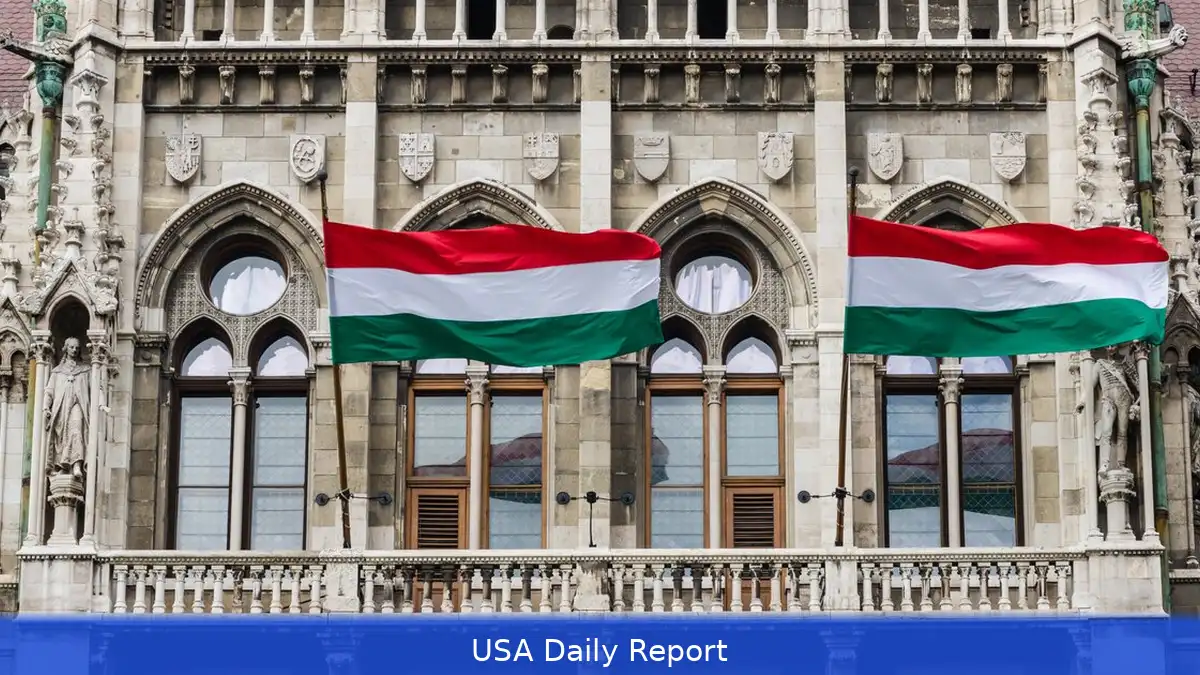
Hungary's April 12 election was razor-thin.
Small country, big attention
Look, Viktor Orbán's vote attracted more than local interest. The BBC's Europe Editor Katya Adler reported from Orbán's home town of Felcsút that the 12 April ballot had global eyes on it — and for a clear reason: Orbán has led Hungary for 16 years. That longevity alone makes the contest about more than who runs Budapest. It's about whether a familiar, steady hand keeps steering Hungary or whether challengers can force a change.
The vote matters not just inside Hungary but also beyond its borders. International observers and foreign capitals followed the count closely. And that's partly because Orbán has cultivated close ties with leaders in both Moscow and Washington — specifically, with Vladimir Putin, President of Russia, and Donald Trump, US President, the BBC noted. Those personal relationships turn what might otherwise be routine politics into a contest with global implications.
Right after the polls closed, people abroad reacted quickly. Allies and rivals alike parsed what a win or a loss would mean for cooperation, trade and regional diplomacy. The narrow margin made every ballot matter — and made messaging in Washington and Moscow more urgent.
Why Washington cares
The United States sees this election as both a political and strategic issue. Washington watches Europe for signs of cohesion among partners. A continuation of Orbán's dominance can complicate that cohesion.
Observers on the ground in Felcsút shared this view with Katya Adler.
And there's a practical side. US officials track where European allies stand on contentious issues — from sanctions policy to military cooperation. If Hungary leans closer to leaders who push against US preferences, Washington may have to rethink how it engages with Budapest. That could mean tougher diplomacy, or more intense public appeals to other European capitals to rally around shared positions.
Policy disagreements aren't the only things that matter here. Political symbolism plays out in Washington too. A friendly relationship between Orbán and former President Donald Trump — noted by the BBC — gives conservative figures in the United States a talking point and can influence how US politicians frame Europe in domestic debates. That influences congressional attitudes, media coverage, and even campaign messaging. So the ripple reaches into US politics as well.
Why Moscow watches closely
Vladimir Putin, President of Russia, will also be studying the result. Orbán's ties to Moscow have been visible enough that international media flagged them during the campaign. A win for Orbán would likely be read in Moscow as a reinforcement of a partner who has shown an openness to Russian engagement. That, in turn, can shape Moscow's calculations about outreach, energy discussions and diplomatic windows in Europe.
Russia values having predictable partners. From Moscow's perspective, repeat leadership offers continuity — a stable channel even when relations with other European governments are tense. So the knife-edge nature of the vote created uncertainty. Moscow had to weigh how loud to cheer, and whether to shift tactics depending on tiny changes in Hungary's political arithmetic.
Political implications inside Hungary
The close result showd a domestic reality: Hungarian politics are deeply contested. Voters delivered a narrow verdict after 16 years under the same prime minister. That kind of split rarely produces easy governing majorities, even when incumbents claim a mandate. The contest forced parties to think about coalition possibilities, messaging and next steps.
Katya Adler's reporting from Felcsút highlighted how the campaign was fought partly on personality and partly on Hungary's direction. Some voters told reporters they wanted continuity — others said they wanted change. That's basic, but it matters when the numbers are tight. Narrow outcomes can push governments to alter tactics, adjust policy emphasis, or seek new allies at home.
One possible result is short-term instability. Governments that win by a hair often face tougher parliamentary math. Minority governments can survive, sure. They can also be pushed into fragile alliances that shape policy choices in unexpected ways. That matters for partners abroad who need to know who calls the shots and how long those hands will hold power.
Economic angles — what could shift
A tight election result creates economic uncertainty. Investors don't like surprises. Markets price in stability. When an election is tight, foreign investors watch for signals about the country's economic orientation. Will Budapest stay on a familiar path? Or will a new majority push policies that change regulatory or investment climates?
Washington pays attention to those signs because American companies invest in Europe and because US policy often responds to economic shifts. A government that signals continuity might reassure some investors. A shock to the system — a coalition that tilts policy — can prompt calls between US officials and Hungarian counterparts to clarify the outlook.
But again, the BBC reporting stressed the political angle more than the technical economic numbers. What matters here is that the vote put those economic questions into play. When diplomacy and investment meet, both capitals watch closely.
Diplomacy and the larger picture
This is where things get complicated, depending on how you look at it. Orbán's long tenure and his links to prominent international figures mean his domestic fortunes ripple beyond Hungary's borders. If he stays, partners will keep dealing with a leader who has proven resilient. If he loses, the rest of Europe and the United States will be figuring out where that leaves longstanding agreements and informal understandings.
So diplomats in Washington and Moscow didn't just monitor who led in Budapest. They monitored tone, too. Who said what after the count? How did Orbán frame his victory or concession? How did opposition leaders position themselves? Those words set the next diplomatic moves — outreach, sanctions stance, or quiet backchannel talks.
The BBC's Katya Adler captured some of that on the ground in Felcsút, showing how local scenes tied back to international consequences. The town became a small stage for big foreign interest.
What to watch next
Short answer: the early communications. The first formal actions by the government or by opposition figures will signal routes forward. Are there talks to build a coalition? Does the prime minister reshuffle his team? Do foreign governments issue statements praising stability or calling for calm? Those steps will tell Washington and Moscow what to expect.
And patience will be part of the game. Close elections rarely settle every question overnight. They start processes that can take weeks or months to resolve. But the initial 48 to 72 hours after a close count often set the tone.
Still, the core fact remains: this wasn't an ordinary election night. It was a test of endurance for a leader who has been in place for 16 years. That fact made the contest feel larger than Hungary's borders.
Related Articles
- How Viktor Orbán Pushed a Leading University Out of Hungary — and Why JD Vance Thinks the U.S. Should Copy It
- AfD Adopts New 'Radical' Manifesto as Court Blocks Intelligence Label Ahead of German Votes
- Trump administration unveils 250-foot 'Triumphal Arch' plan for Washington
Viktor Orbán has been in power for 16 years.


