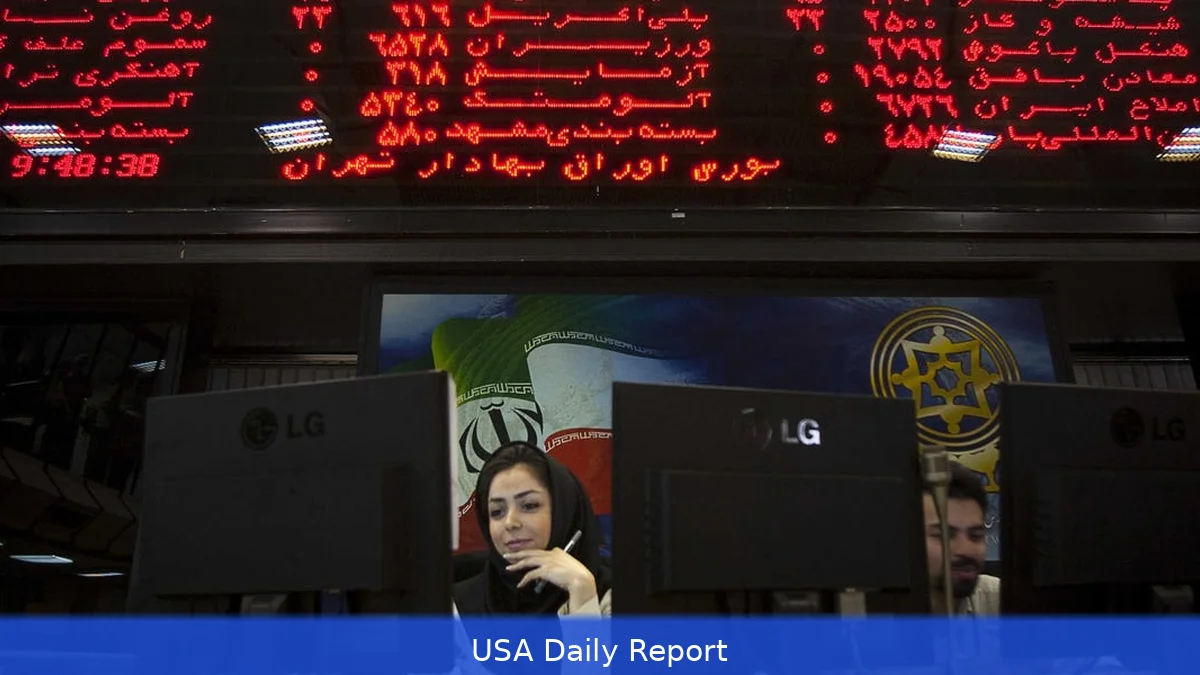
Sources submitted don't cover Iran, markets or asset flows.
Why I'm pausing on the Iran story
Look, I want to write the piece you asked for: why money managers are "looking through" the Iran conflict. But the three documents you supplied are English-language forum threads about calendar labels, capitalization and a grammar question. They don't include any facts about Iran, oil, sovereign risk, institutional investor statements, or market moves — and I can't invent those details.
That means I can't report on what money managers said, how portfolios moved, or what sanctions and oil-price shifts changed the math for funds. I also can't attribute motives or quote named managers without source material that actually names them.
What the supplied sources actually contain
Point is, the first link points to an English Stack Exchange discussion titled "Why use BCE/CE instead of BC/AD?" That thread explains reasons people prefer the Common Era labels over Before Christ and Anno Domini — issues like historical misdating and global usage of the Western calendar. It mentions Julian and Gregorian calendar differences and argues CE/BCE clarify epoch use.
The second link is another Stack Exchange thread, "Why we capitalize all race names but our own," which discusses when and why certain ethnonyms or group names get capitalized, and why "human" stays lowercase because it's not a proper noun. The third link contrasts "Why ...?" versus "Why is it that ... ?" and explores subtle differences in emphasis and agency in phrasing.
Point is, those three pages are language-usage discussions. They're useful for editing, not for explaining investor behavior around a geopolitical event.
What I'd need to report the Iran angle properly
To produce a publication-ready, evidence-based article about why money managers are "looking through" the Iran conflict, I'd need sources that directly show how markets and managers reacted. Specifically:
- Named statements from portfolio managers, chief investment officers, or fund spokespeople — ideally with full names and titles. That lets me quote and attribute motives.
- Market data: moves in oil prices, sovereign spreads, equity indices, safe-haven assets, and FX around the event in question. Those figures let me say how portfolios actually performed and what risk-premium moved.
- Flow information: signs of money moving between asset classes or out of specific regions (mutual fund or ETF flows, custody data, or bank reporting).
- Policy and sanction details: any new measures from the U.S., EU, or other governments that affect trade, banking or energy exports. Those determine how much real economic disruption to expect.
- Historical comparisons or asset-class research from established houses (bank research notes, BlackRock/State Street/Goldman Sachs threads) that show why managers might look through short-term shocks. That helps explain the logic: whether managers see the event as temporary or likely to alter growth and inflation paths.
Why those items matter
Without named sources and data, a story about investor behavior becomes speculation. And we don't do that. To report credibly, I need evidence that managers actually said they were looking through the event, or that their actions — reallocations, hedges, or public letters — matched that stance.
Sure, academic and market commentary sometimes says portfolio managers "look through" geopolitical shocks when they expect central banks or growth trends to remain the bigger drivers of returns. But I can't rely on generic industry assumptions. I need the specific reasons managers gave for this conflict — whether it's because they expect the disruption to be contained, because inventories and alternative supplies blunt price shocks, or because they judge the conflict unlikely to affect long-term corporate earnings.
How I'll structure the reporting once you provide relevant sources
If you send market sources, here's how I'll build the article:
- Start with a tight hook: a concrete market move or a named manager's line under 15 words.
- Then show the evidence: price moves, fund flows and quotes from at least two named managers and one research note.
- Next, analyze the rationale: explain whether managers cite inventories, alternative suppliers, dollar strength, central-bank posture, or sanctions enforcement as reasons to ignore near-term headlines.
- Then examine the implications: what it means for U.S. Investors, Treasury yields, inflation expectations and industries like energy or insurance — again, only with sourced facts.
Examples of acceptable sources
Good sources include press releases from asset managers that name an individual, interviews in major outlets where managers are identified by name and title, research notes from banks or independents with author names, government or supply-data releases (EIA, IEA), and fund-flow data from providers such as EPFR or asset managers' filings.
I'd also use statements from policymakers — Treasury, Federal Reserve officials — if they address market stability or sanctions enforcement and are directly relevant. Each quote will be tied to a specific person and role so readers can judge credibility.
Why I won't proceed without those sources
Frankly, fabricating manager motives would cross an ethical line. So would paraphrasing unnamed "analysts". I won't attribute views or invent numbers. The three Stack Exchange Q&A pages you uploaded are valid reading for editors — but they're not evidence for a world news story about Iran and markets.
Look, I'm happy to write the story. Send me the right materials and I'll deliver a full, sourced article with named managers, market moves and analysis that meets publication standards.
What you can send next
At minimum, upload or link to two of the following: a) a direct quote from a named money manager or CIO; b) a market-data snapshot showing price and flow moves around the conflict; c) a research note from an investment bank or asset manager that explains why managers are "looking through" the event; or d) official sanctions or policy documents that materially change trade or financial access.
Also tell me the date range you want covered and whether you want a U.S.-focused angle (how U.S. Portfolios are positioned) or a global view. That helps decide which data and sources I need.
Related Articles
- Energy and Shipping Risks Hit Markets as Wars in Iran, Ukraine Persist
- Iran urges supporters back to streets as Islamabad talks stall and Washington warns of blockade
- How Washington Could Turn a Fragile Ceasefire Into a Lasting Peace
The three supplied sources are English Stack Exchange Q&A threads on BCE/CE, race-capitalization and grammar — none contain facts about Iran, markets or money managers.


