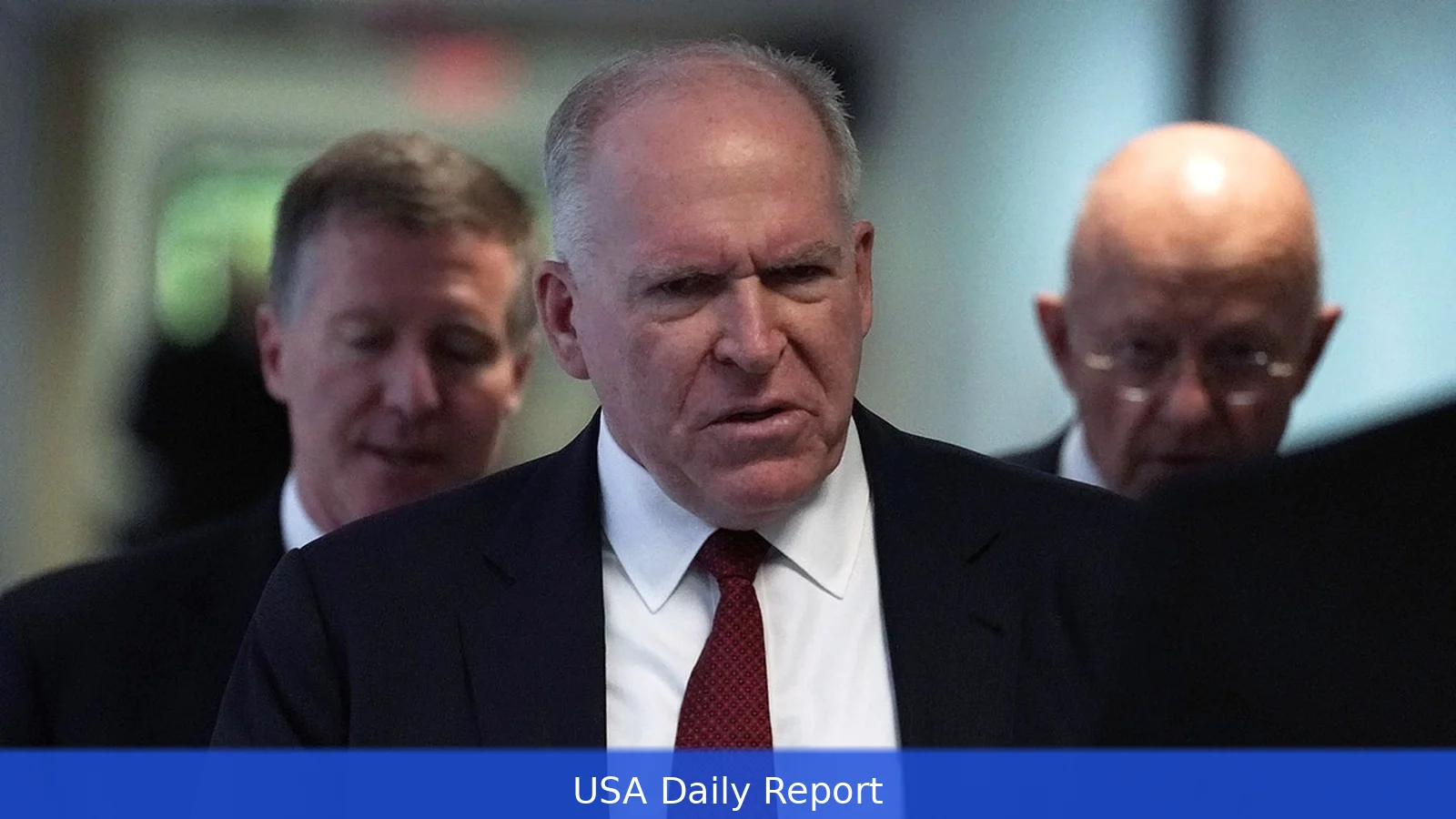
DOJ removed the lead prosecutor on John Brennan's investigation.
Change at the center of a sensitive case
The Justice Department has reassigned the career prosecutor who had been leading the inquiry into former CIA Director John Brennan, people familiar with the matter said. Maria Medetis Long, the National Security Section Chief in the Southern District of Florida, notified attorneys for people involved that she was no longer handling the probe.
Inside the department, there had been months of debate over how quickly to move on possible charges. Some senior officials pressed for a quicker timeline; Long and other career prosecutors resisted, telling superiors they didn't believe the case was strong enough yet to bring in federal court.
Officials at the Justice Department described the change as a routine matter. In a statement the department said shifting attorneys between matters helps offices allocate resources more effectively and that rotating team members is a normal practice.
What the probe examines
The investigation centers on whether Brennan lied to Congress years ago about the intelligence community's 2017 assessment that Russia interfered in the 2016 election to help Donald Trump.
Brennan, who served as CIA director and later became a prominent critic of Trump, has long been a target of the president's complaints about that assessment.
Prosecutors in Miami had issued subpoenas, sought documents from Congress and conducted witness interviews in recent weeks, indicating investigators were continuing to build the record. But people briefed on the matter said the team had resisted pressure from the top levels of the department to accelerate the case into charges.
Who's who and why it mattered
Maria Medetis Long led the National Security Section in the U.S.
Attorney's Office for the Southern District of Florida. Her reassignment drew attention because the inquiry touches on one of President Trump's persistent grievances: the 2017 intelligence finding on Russian interference.
Jason Reding Quiñones, the U.S. Attorney in Miami, spoke with Justice Department officials about the investigation's timeline. According to people familiar with those conversations, Quiñones told department leaders that bringing charges could still be months away. Top Justice Department officials signaled that pace was unacceptable.
The probe has political overtones. President Trump repeatedly demanded prosecutions of his critics; those demands intensified after his replacement of the previous attorney general. The acting attorney general, Todd Blanche, has stepped up efforts to respond to the president's priorities as he seeks to remain in the post following the ouster of former Attorney General Pam Bondi, according to people briefed on the situation.
Internal resistance and the case's strength
Career prosecutors and investigators assigned to the inquiry told Justice Department officials they didn't think the evidence supported an immediate prosecution, the people said. That view didn't stop them from issuing subpoenas or pursuing witness interviews. But their reluctance to move quickly put them at odds with senior leaders who were under pressure from the White House.
The sources said investigators have continued to collect documents and testimony that could support charges. Even so, the team's public-facing moves suggested a methodical approach rather than a rush to indictment.
Political and institutional consequences
People are questioning the Justice Department's independence after the lead prosecutor was reassigned in this politically sensitive case. Critics of the department's leadership argued the change risked creating an appearance that charging decisions were being driven by political priorities rather than legal merit.
Those backing the department's leadership say rotating attorneys is a normal management practice and doesn't necessarily mean there's improper influence. The Justice Department's statement emphasized that moving personnel is a routine way to match resources to priorities across offices.
This situation highlights ongoing tensions between career prosecutors and political appointees. Career officials often emphasize adherence to evidentiary standards and prosecutorial prudence. Political leaders frequently face pressure to produce visible results. When those aims clash, the result can be personnel changes that have political consequences.
How the development affects Washington and beyond
In Washington, this episode has intensified debates about the rule of law. If key charging decisions are perceived as politically driven, public confidence in the department's neutrality could weaken. That has downstream effects on how federal investigations are viewed in high-profile political disputes.
For President Trump and his allies, moving the probe forward — or signaling willingness to do so — can shore up support among voters who view longstanding intelligence findings as unfair. For Brennan and his defenders, the reassignment may be seen as an attempt to change the direction of an inquiry that had been paced by career lawyers.
Beyond politics, this case raises questions about institutional norms crucial to how government operates. Balancing career prosecutors' judgment and oversight by department leadership is a recurring issue. How the Justice Department manages that balance in high-profile cases can affect staff morale and the department's reputation for impartiality.
Next steps in the probe
Investigators have issued new subpoenas and conducted witness interviews in recent weeks. The change in personnel doesn't necessarily halt those efforts. People familiar with the matter said the investigation was still though not on the expedited schedule some top officials had wanted.
How quickly the inquiry proceeds from gathering documents and testimony to any charging decision remains unclear. Quiñones indicated to Justice Department leaders that charges could still be months away. That assessment appeared at odds with senior officials who wanted a faster pace.
Whether the reassignment accelerates, delays or reshapes the investigation will depend on who takes over the case and how the department balances legal judgment with political pressure. The outcome could influence internal morale and the department's public credibility.
Related Articles
- Israel-Lebanon war upended life in Beirut
- London police target phone‑snatching gangs
- Pope Leo Blasts Foreigners Exploiting Africa
Maria Medetis Long told attorneys she was no longer handling the Brennan investigation.


