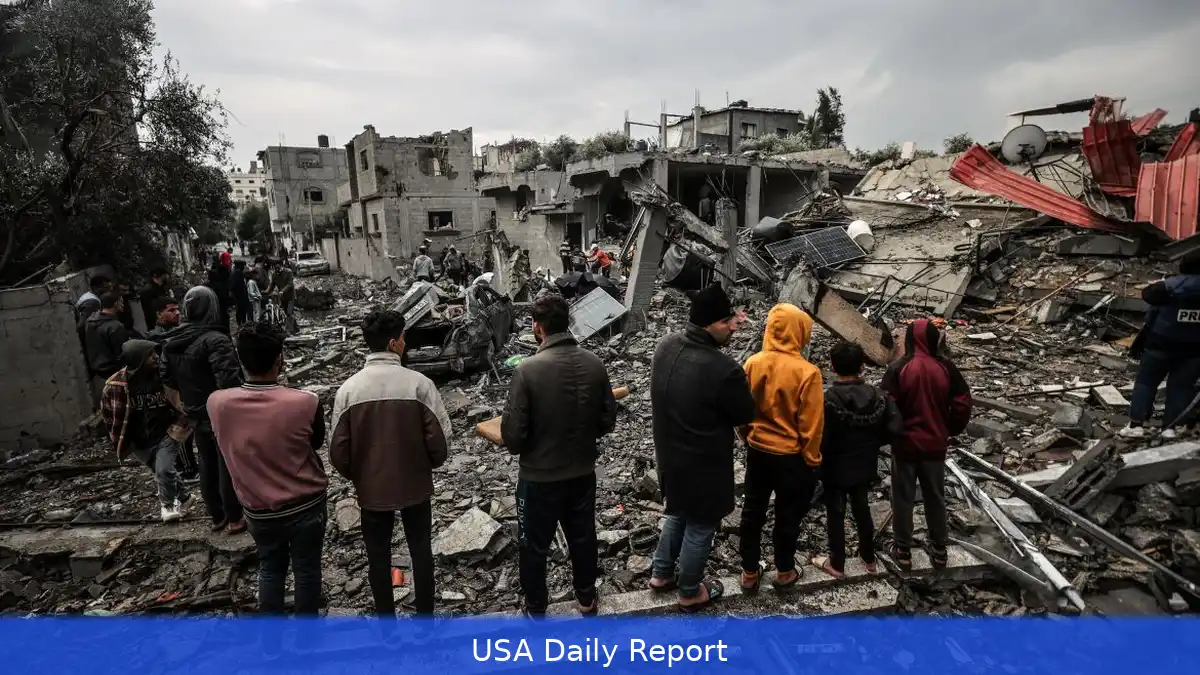
Gun battles erupted in Gaza’s Maghazi refugee camp this past Monday, dragging innocent families into a deadly conflict between rival Palestinian armed groups. The violence, reportedly backed by Israeli forces, has left at least 10 Palestinians dead and dozens injured, deepening the crisis in the already volatile Gaza Strip.
Surprise Raid in a Refugee Camp
At midday on Monday, Asaad Nteel’s family in eastern Maghazi found themselves in the middle of a sudden and violent raid. Armed men stormed their home with no warning, breaking down doors and detaining family members. What started as confusion quickly turned into fear as gunfire erupted outside, trapping the family inside their own house. The attackers identified themselves as members of the Popular Forces combating terrorism, a faction opposed to Hamas, which controls much of Gaza.
Families in Maghazi have lived under constant threat for years, but this recent attack illustrates how the region’s internal disputes have escalated into armed confrontations. Nteel and his relatives were ordered to stay put in a single room, while gunmen used their house as cover to exchange fire with Hamas-affiliated fighters nearby. The family’s ordeal ended only when the militia withdrew after receiving orders.
Escalation Backed by Israeli Military
Reports indicate that the armed groups conducting these raids received support and cover from the Israeli army. The clashes on Monday were part of a broader offensive in central Gaza that left at least 10 Palestinians dead and dozens more wounded, according to local hospital officials and the Ministry of Health. This violence has intensified tensions in an area already suffering from the devastating effects of the ongoing conflict between Israel and Palestinian factions.
Israeli army backing of Palestinian armed groups opposing Hamas makes the Gaza conflict even more complicated. The Israeli military’s strategy appears focused on empowering rival factions within Gaza to undermine Hamas’s control, but it risks further destabilizing the region and harming civilians caught in the crossfire.
Civilians as Unintended Targets
For residents like the Nteel family, the violence isn't just about political or military maneuvers—it is a daily reality that threatens their safety and survival.
The raid disrupted their lives, confiscated personal property like cameras, and forced them into a hostage-like situation. Many families in Gaza’s refugee camps face similar dangers as armed groups and militias operate with little regard for civilian well-being.
That said, maghazi camp itself is home to thousands of Palestinian refugees living in cramped conditions. The ongoing violence has made humanitarian access difficult, worsening the already fragile situation. Hospitals struggle to treat the injured, and the psychological toll on civilians is severe. Children, women, and elderly residents bear the brunt of the fighting, often with no safe place to turn.
Broader Political and Economic Implications
Look, the clashes in Maghazi raise wider questions about the future of Gaza’s internal politics and the Israeli-Palestinian conflict. Israel’s apparent support for armed groups opposing Hamas could deepen divisions within Palestinian society, potentially sparking more violence and weakening prospects for peace.
At the same time, Hamas is unlikely to yield control easily, which could lead to prolonged fighting and instability.
Gaza’s economy is also taking a big hit. The camp, already suffering from high unemployment, poverty, and infrastructure damage due to repeated conflicts, faces further setbacks. Violence disrupts markets, limits movement, and deters any form of investment or reconstruction efforts. For a region dependent on humanitarian aid and external support, continued unrest threatens to worsen living standards and fuel resentment.
For the United States, the situation presents a diplomatic challenge. Washington has long been involved in efforts to broker peace between Israel and the Palestinians. Yet, the internal divisions within Gaza complicate any negotiation process. The U.S. Government must consider how its policies and aid are perceived amid rising violence and shifting alliances on the ground.
Humanitarian Concerns and the Path Forward
International organizations have repeatedly warned about the humanitarian crisis in Gaza. The fighting in Maghazi adds urgency to calls for ceasefires and the protection of civilians. Aid agencies face obstacles in delivering essential supplies due to security concerns and damaged infrastructure.
To fix Gaza’s problems, we need to tackle the main issues like political splits, poverty, and outside meddling. However, with armed groups clashing and foreign military backing involved, the path to stability is full of problems. The civilian population, meanwhile, remains trapped in a cycle of violence and suffering.
Related Articles
- Iran and US Halt Hostilities Amid Ceasefire Claims: What’s Really at Stake?
- Conflict with Iran Threatens Global Food Supply Chain Amid Rising Costs
- US-Iran Ceasefire Sends Oil Prices Tumbling, But Fuel Costs for Americans May Not Drop Soon
After the fighting in Maghazi camp, the damage to civilians is obvious. More than just a local dispute, these events signal a dangerous escalation that could ripple across Gaza and beyond. The involvement of Israeli forces in backing factions against Hamas complicates peace efforts and threatens the fragile humanitarian situation. The next moves in Gaza might shake up the region and global diplomacy for a long time.


