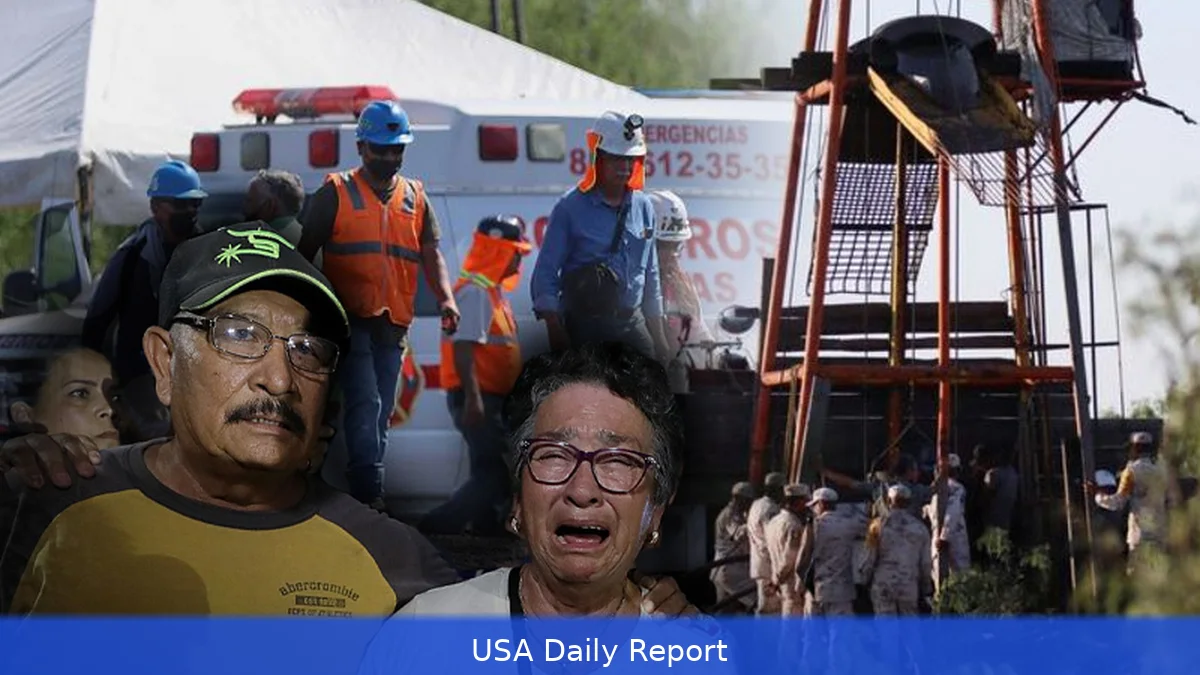
Francisco Zapata Nájera survived 14 harrowing days trapped nearly 1,000 feet below the surface in a flooded gold mine in northern Mexico. This rescue shines a light on the safety problems miners face in Mexico and how these issues affect workers and the economy in the region.
A Long Wait Beneath the Surface
On March 25, a structural failure caused a tailings dam to burst at the El Rosario gold mine in Sinaloa, Mexico, flooding underground tunnels and trapping four miners, including 42-year-old Francisco Zapata Nájera. The dam, designed to contain mining waste, collapsed, sending water rushing into the shafts 300 meters (985 feet) below ground. Of the 25 workers present at the time, 21 escaped immediately, but four remained trapped deep underground.
Rescue teams worked around the clock to find and reach the trapped miners. One was rescued after five days, but another died, and it took nearly two weeks to find Zapata. Military divers finally spotted his blinking torch light after more than 300 hours of searching, a sign that kept hope alive for rescuers and families alike.
"I didn't lose faith," Zapata told his rescuers upon their arrival, standing in waist-deep water inside the tunnel. His strength gave rescuers and families a much-needed boost during the crisis.
But the rescue was far from over. The flooded tunnels delayed his extraction for nearly another full day as teams pumped out water to clear a safe path.
After 20 more hours of pumping, Zapata was finally brought to the surface on Wednesday. He was wrapped in a thermal blanket and transported by electric cart before being airlifted to a hospital in Mazatlán. Medical staff described him as frail but stable and ready for treatment.
Safety Concerns in Mexico’s Mining Sector
The El Rosario mine accident highlights the ongoing safety problems in Mexico’s mining sector. Mining is a key sector in Mexico’s economy, contributing significantly to exports, including precious metals like gold.
Yet, the sector has a troubling record of accidents and fatalities.
In August 2022, a flood at the El Pinabete coal mine in Coahuila claimed the lives of 10 miners, exposing widespread safety lapses and not enough regulation. The tragedy sparked public outcry over the lack of basic protections for workers in mines where oversight is often minimal or absent.
Back in 2006, 65 miners lost their lives in an explosion at the Pasta de Conchos coal mine in Coahuila, Mexico’s deadliest mining disaster. That catastrophe remains a painful reminder of the risks miners face, with many calling for stronger safety standards and enforcement.
Political and Economic Implications
President Claudia Sheinbaum praised the army divers and rescue teams for their incredible work and said Zapata’s faith and strength were crucial to the rescue. The government’s role in mobilizing military resources for the rescue operation shows the seriousness with which authorities are treating mining accidents, but questions remain about preventing future disasters.
Mining is vital not just for Mexico but also for the broader North American supply chain, including the United States. Minerals like gold, silver, and copper extracted in Mexico feed into manufacturing and technology sectors in the U.S., which rely on stable and safe mining operations across the region.
This incident worries U.S. companies that get minerals from Mexico because safety problems could disrupt supplies or hurt reputations, affecting trade and investments. It also puts pressure on Mexican authorities to improve mine inspection and emergency preparedness to protect workers and ensure consistent output.
What This Means for Workers and Communities
The rescue at El Rosario reminds us of the real human toll behind mining profits. Many Mexican miners work under hazardous conditions with minimal protections, often in remote areas with limited emergency services. The families of trapped or lost miners face emotional and financial hardship, which can ripple through local communities dependent on these industries.
Zapata’s survival is rare, but the deaths and dangers show why big changes are needed. Improved infrastructure, stricter enforcement of safety regulations, and investment in rescue capabilities are vital to protect miners and their families.
Unions and advocacy groups have pushed for reforms for years, but progress has been slow. Incidents like El Rosario could galvanize public and political will to demand better oversight and accountability from mining companies and government agencies.
Francisco Zapata Nájera’s rescue after almost two weeks underground gives hope in a risky industry. But with one miner dead and another still missing, the focus now turns to how Mexico can prevent such tragedies from happening again—and what that means for the economic ties that bind Mexico and the United States.


