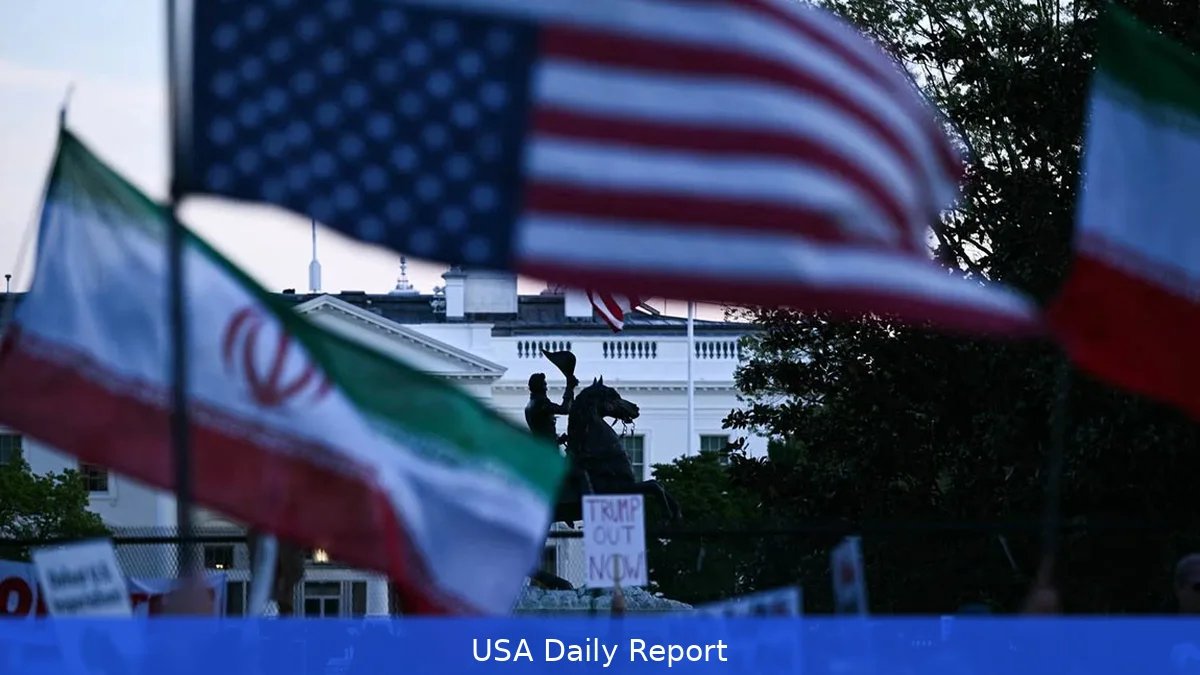
A two-week ceasefire announced by the United States in the ongoing conflict involving Iran has left Tehran in a stronger strategic position than before the war began. Despite sustained military pressure from Israel and the U.S., Iran remains intact and its influence in the region appears to have expanded.
Ceasefire Leaves Israel Weakened and Iran Standing
Diesel prices soared, but Iran’s resilience shocked many. When the Trump administration and Israel agreed to a Pakistan-brokered ceasefire in early April 2026, it marked a pause rather than a conclusion in the conflict. Israel’s Prime Minister Benjamin Netanyahu publicly backed the truce, claiming it neutralized Iran’s nuclear and missile threats. However, critics within Israel saw the ceasefire as a political setback. Opposition leaders and analysts argued the war had failed to meet its stated goals.
Israel’s missile stocks reportedly ran low after weeks of intense strikes, and Netanyahu’s political standing weakened amid accusations of strategic failure. Opposition leader Yair Lapid called the ceasefire one of Israel’s biggest political disasters, claiming Netanyahu's approach left many objectives unmet and promised a long road to repair the damage.
Netanyahu’s official statement emphasized that while the U.S. And Pakistan brokered the ceasefire, he didn't consider it applicable to Israeli military actions in Lebanon. That ongoing conflict area threatens to unravel the fragile peace, as Hezbollah remains a critical player backed by Iran.
Iran’s Strategic Gains and Regional Influence
Despite the apparent military pressure, Iran has emerged from the ceasefire with its core capabilities intact. Tehran continues enriching uranium and maintaining its missile infrastructure, key elements Israel and the U.S. Sought to dismantle.
The ceasefire hasn't halted Iran’s nuclear ambitions, nor has it diminished its influence over proxy groups across the Middle East.
The Strait of Hormuz, a vital chokepoint for global oil shipments, remains tense but partly operational. While the U.S. Demanded its immediate and safe reopening, Iran’s compliance has been partial at best. This strait channels about 20 percent of the world’s oil, so its status directly affects global energy markets and economic stability.
Iran’s survival and continued strategic maneuvering have complicated U.S. Efforts to isolate the regime. Its alliances with Syria, Russia, and China further cement Tehran’s position in the region. These partnerships allow Iran to resist Western sanctions and military pressure, while maintaining a foothold in key conflict zones like Syria.
U.S. And Israeli Political Repercussions
Sure, the ceasefire exposed rifts within Israel’s political landscape and between Israel and its closest ally, the United States. The Trump administration hailed the truce as a diplomatic victory, but many in Israel viewed it as a concession forced by diplomatic realities rather than battlefield success.
Vice President JD Vance’s remarks showd the fragile nature of the ceasefire, warning that the U.S. Might abandon terms if Iran failed to fully comply. This stance reflects ongoing skepticism in Washington about Tehran’s intentions and the reliability of negotiated pauses in hostilities.
Look, domestically, Netanyahu’s reluctance to fully engage with Israeli public opinion during the conflict eroded trust. Critics argue that his messaging targeted international audiences and political supporters rather than addressing the entire nation’s concerns. Such dynamics have sparked debates over Israel’s strategic direction and leadership during this volatile period.
Economic and Global Implications
The uncertainty surrounding the Strait of Hormuz and the broader Middle East conflict has sent ripple effects through global markets. Oil prices have fluctuated amid fears of supply disruptions, challenging economies dependent on stable energy costs. The U.S., in particular, watches these developments closely given its intertwined energy and foreign policy interests.
Iran’s ability to maintain its uranium enrichment and missile programs despite military strikes makes people wonder about the effectiveness of current sanctions and military strategies. It also complicates diplomatic efforts aimed at curbing nuclear proliferation in the Middle East. The ongoing tensions contribute to instability that affects not only regional neighbors but global powers invested in the area’s security.
And Iran’s strengthened position emboldens its regional proxies, increasing the risk of prolonged conflicts in places like Lebanon and Syria. This scenario challenges U.S. And allied efforts to promote stability and counter terrorism across the Middle East.
Looking Ahead: A Fragile Ceasefire and Uncertain Future
With the ceasefire set for just two weeks, the situation remains volatile. Israeli military operations in Lebanon continue despite the truce, threatening to reignite broader conflict. Meanwhile, Iran’s strategic calculations appear to favor endurance and gradual expansion of influence rather than immediate confrontation.
The U.S. Faces a delicate balancing act: pressuring Iran to comply with international norms while avoiding escalation that could destabilize global energy markets and security. The ceasefire’s success hinges on complex negotiations involving multiple regional actors and external powers like Pakistan, which brokered the truce.
Right now, Iran’s endurance through the conflict and its survival intact with nuclear ambitions ongoing is a sign of strength. It shifts the regional power balance and forces a reconsideration of U.S. And allied strategies. The coming weeks will reveal whether this ceasefire is a prelude to lasting peace or just a pause before renewed conflict.
Iran remains a strategic force in the Middle East, its position bolstered by the recent ceasefire despite ongoing tensions. How Washington and its allies respond to this new reality will shape regional dynamics and global security in the months ahead.


