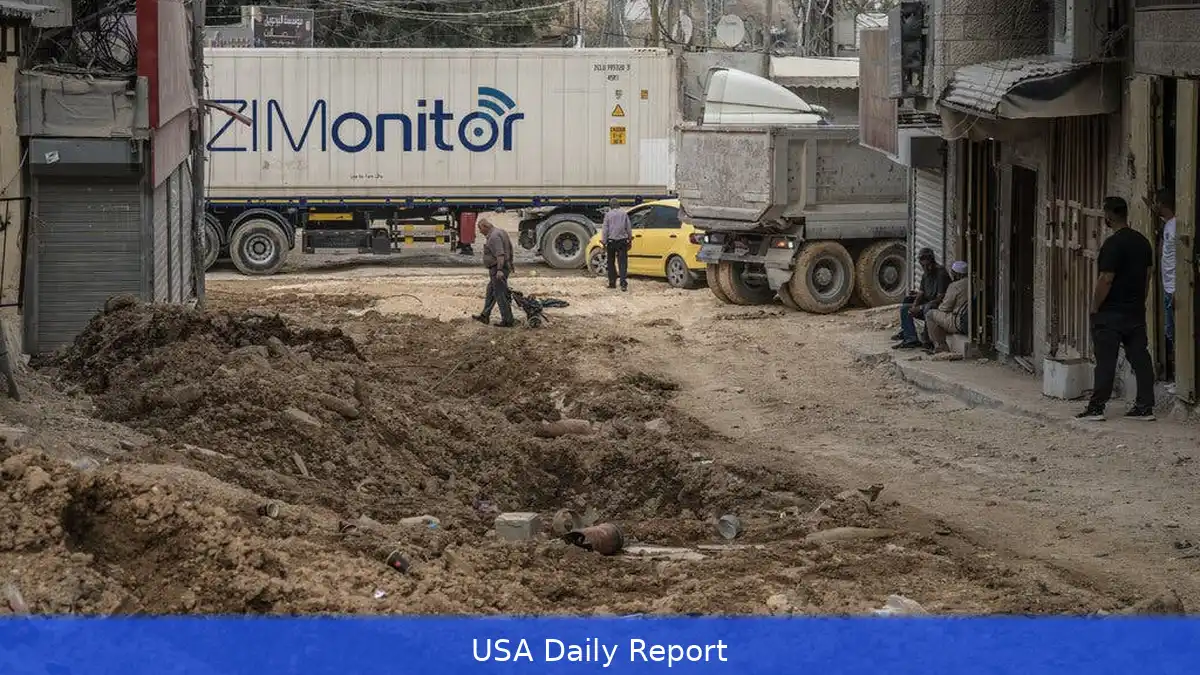
More than 22 Palestinians were detained in overnight Israeli raids across the occupied West Bank. The operations came just days after Israel approved 34 new settlements. Coming so soon after the approvals, the raids have added strain to international diplomacy, especially since the approvals were announced days earlier.
What happened
Israeli forces carried out overnight raids on camps and villages across the occupied West Bank and detained more than 22 Palestinians, according to the report. The sweep targeted several locations, with troops moving in during the night hours and arresting residents in multiple areas. Soldiers searched homes and led detainees away into custody; the raids took place across multiple camps and villages overnight.
Look, the operation didn't happen in isolation. It followed a separate decision by Israel earlier this week to approve 34 new settlements in the West Bank — a move described in the source material as illegal. The settlement approvals and the arrests occurred within days of each other, so diplomats are watching the situation more closely than before.
Why the raids matter
On the surface this was a security sweep; politically, it comes right after a round of settlement approvals and will be read in that context. They arrive amid a cycle of moves that critics say signal a tougher stance from Israel toward Palestinian-held areas. The government approved 34 new settlements days before the raids; critics have described such approvals as illegal. That sets a backdrop against which routine security actions take on added diplomatic weight.
Right now, the combination of arrests and settlement expansion complicates already strained relations between Israel and its neighbors, and between Israel and Western capitals that favor a negotiated two-state outcome. The raids can harden local attitudes, undercut prospects for calm, and make diplomatic engagement more difficult for external mediators who want to temper hostilities.
Political ripple effects
The immediate political fallout is likely to play out in several arenas. Regional governments and Palestinian leaders may use the raids and the settlement approvals as evidence that Israel is consolidating control rather than moving toward negotiations.
That hurts trust and reduces the space for quiet diplomacy.
International bodies that monitor settlement activity and human rights will probably increase scrutiny. That's partly because settlement expansions are linked by many institutions and governments to violations of international law. So, when Israel greenlights new settlements and troops detain residents in the same week, it attracts international attention.
And domestic politics matter inside Israel, too. Moves to expand settlements appeal to certain political constituencies. So do security operations against militants or suspects. Together, those choices can shape electoral narratives and coalition bargaining in Jerusalem — even if those internal shifts aren't spelled out in every dispatch.
Economic and US policy implications
The raids and settlement approvals carry economic as well as political consequences. Markets in the region react to uncertainty. Investors tend to prefer stability, and stepped-up tensions can weaken confidence across sectors such as tourism, construction and foreign direct investment. While the source material doesn't quantify market moves, the pattern is familiar: security escalations and political friction tend to cool investment appetite.
The United States remains a key regional actor, supplying significant military aid to Israel and often engaging diplomatically in the conflict. Washington provides substantial military aid to Israel and also engages in diplomacy aimed at preventing broader conflict. Actions that appear to harden one side's position — like settlement approvals or heavy-handed raids — make the calculus for US policymakers trying to balance strategic ties with Israel against broader regional aims.
At the same time, US lawmakers and officials often react publicly to changes on the ground. Congressional factions that support robust backing for Israel may stress security needs. Other lawmakers who emphasize international law and human rights may criticize settlement expansion and forceful operations. That split can make it harder for Washington to project a single, coherent policy response.
Regional security and humanitarian effects
Raids generate immediate local consequences: arrests, searches, and disruptions to daily life. Families lose members to detention. Businesses and schools can be interrupted. Repeated raids and settlement expansion change who can move freely and where people can work, which in turn affects daily life and livelihoods.
On a broader scale, such actions can boost recruitment to armed groups or harden support for more radical politics among people who feel they have few nonviolent options left. The source material doesn't provide casualty details or claims of responsibility. Still, the arrest figures and the settlement approvals are the facts on the record, and they're enough to alter the incentives facing local actors.
Diplomatic pressure points
Foreign governments that support a negotiated settlement between Israelis and Palestinians will likely emphasize de-escalation. They may urge restraint and call for steps that preserve space for diplomacy. At the same time, those same governments often face domestic political pressure from constituencies on both sides of the debate.
Some international partners could increase public criticism. Others might push for quiet, behind-the-scenes engagement. Either approach is possible — and both have downsides. Quiet diplomacy can be seen as tacit acceptance; public criticism can strain bilateral ties and reduce leverage.
Practical consequences for civilians
Beyond geopolitics, there are concrete on-the-ground effects. People detained in raids can be held for extended periods, face legal proceedings, or experience travel restrictions that affect work and family life. Communities in the West Bank frequently report disruptions to water, electricity and movement when military operations occur. Those are immediate material impacts that shape daily life and longer-term prospects.
Frankly, for many residents, the cumulative effect of raids, arrests and settlement approvals is what matters most. It alters routines, erodes trust and narrows opportunities for normal economic activity and community planning.
What to watch next
Keep an eye on official statements. Israeli authorities often frame raids as security measures aimed at suspects; international outlets and rights groups tend to highlight legal and humanitarian concerns. Those competing narratives will shape how governments and publics respond.
Also watch for reactions from regional capitals and Washington. Diplomatic notes, public statements, or moves at international forums like the United Nations could follow. So could localized protests or countermeasures. The immediate numbers — more than 22 detainees and the approval of 34 settlements earlier this week — are the hard facts that observers will reference.
Related Articles
- Hezbollah Field Commander Says He Was Wounded in Beirut Airstrike as Fighting with Israel Escalates
- Islamabad talks fail after 21 hours — ceasefire on shaky ground as US, Iran trade blame
- Iraqi Parliament Picks Kurdish Politician Nizar Amidi as President, Ending Months-Long Deadlock
Al Jazeera reported that Israeli forces detained more than 22 Palestinians during overnight raids across the occupied West Bank.


