
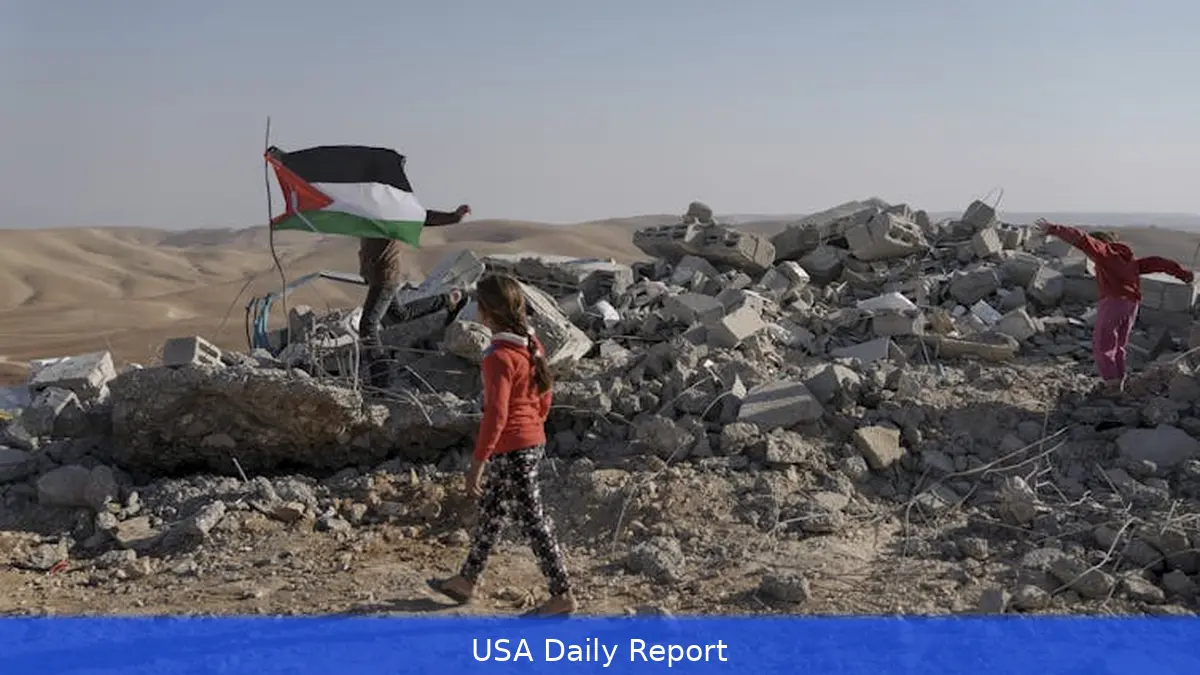
Tear gas was fired near schoolchildren in Masafer Yatta. Local sources say fence blocks their route.
What happened
Tear gas was discharged by Israeli forces toward a group of Palestinian children who were attempting to walk to school in Masafer Yatta, according to local reports. The children reportedly encountered a fence that had been erected across their usual path, and the crowd trying to pass was met with chemical irritant rounds. Eyewitness and community accounts relayed the sequence of events to local media outlets.
The occupied West Bank hamlet of Masafer Yatta lies in the southern part of the territory, and residents say movement between home and school routinely requires negotiating obstacles. Access to basic services, including education, is already tightly constrained for many families there. Those constraints shape daily life — and turn ordinary routes into sites of confrontation.
A fence blocked the path and Israeli forces fired tear gas as children tried to walk to school, according to local reports. Barriers to movement turn ordinary routes to school into flashpoints, often sparking clashes and fear at once.
For kids, it's more than inconvenience — they miss class and start dreading the walk to school.
Local reports didn't describe fatalities or severe physical injuries in this incident. Still, tear gas exposure can cause short-term harm — coughing, eye irritation and breathing trouble — and it can disrupt schooling for hours or days after an episode if families decide it's unsafe to send children back along the same path.
Ground conditions and daily life
Residents of Masafer Yatta say they're often stopped or redirected on their way to basic services like school. Over time, such measures can force longer walks, detours and dependence on seldom-available transport. The result: a routine school run can become a logistical and financial burden for families.
When kids can't get to class, families scramble to cope and teachers lose teaching time. Parents rearrange schedules. Younger children sometimes stop going alone. Teachers cope with irregular attendance and wasted classroom time. The cumulative impact undermines educational progress for a generation.
The fence that local sources say was placed across the path is a physical reminder of how territory, checkpoints and temporary barriers shape the geography of childhood. Even when a specific incident seems limited, the pattern of restrictions contributes to a broader sense of instability for school communities.

Why it matters beyond the local scene
This kind of incident doesn't just affect one village — it shapes how people and groups talk about the conflict.
They feed into regional tensions and public perceptions on both sides of the conflict. Families, aid groups and educators see repeated episodes as obstacles to normal life — and that becomes part of the political conversation at home and abroad.
Such episodes often prompt responses from humanitarian organizations and rights monitors that track access to education and civilian safety. Agencies that focus on children’s welfare count disruptions and document patterns. Those records, in turn, inform reporting and advocacy, and they can influence donor decisions or diplomatic messaging.
International rules say schools should be safe, but repeated interference on routes to class makes that protection feel meaningless to families. That gap between legal standards and daily realities is what many observers point to when they raise alarms about the longer-term cost to education in conflict-affected areas.
How this touches the United States
The United States has long been a major diplomatic and financial actor in the Israeli-Palestinian context. So incidents that affect civilians — especially children — could influence Washington’s policy debates. Congressional members and administration officials who weigh U.S. Assistance, human rights considerations and regional stability watch accounts of civilian harm closely.
For U.S. Lawmakers, stories about disrupted schooling and civilian hardship feed into larger conversations about the terms and conditions attached to foreign assistance. That debate includes whether and how to link humanitarian and security aid to steps that protect civilians and reduce tensions. Those conversations are already lively in Washington — and incidents like this add real-world examples to the record.
Economically, persistent instability in the occupied West Bank presents a drag on investment and growth across the Israeli-Palestinian economy. When movement is restricted, commerce slows and costs go up for ordinary people. International donors and development agencies working on education, health and infrastructure have to factor in access constraints when planning and funding projects.
U.S. diplomats juggle security ties, a stated two-state goal and humanitarian concerns — and reports about harmed civilians often feed into that debate. Reports of children exposed to tear gas may sharpen public attention and intensify calls from some corners of Congress for clearer benchmarks on civilian protection and aid oversight.
Broader implications for education and aid
Experts warn that missed classes add up: kids fall behind in lessons, and over years that damages job prospects for a whole community. International aid programs aimed at boosting schools can be undermined if students' routes remain unsafe or obstructed.
Groups that fund and deliver humanitarian assistance often need to adapt programs when access is disrupted. Delivering materials, running catch-up classes and providing psychosocial support all cost money and require secure movement. Donors evaluate whether aid is reaching intended beneficiaries and whether additional resources are required to make programs resilient in insecure settings.
The incident in Masafer Yatta is a reminder that the everyday logistics of access — fences, checkpoints, temporary closures — have real policy consequences. They shape how aid is delivered and how governments, including the U.S., frame their involvement in support for education and civilian protection.
What comes next
Local accounts will likely be followed by statements from humanitarian groups and possibly by monitoring bodies that track incidents affecting civilians in the occupied territories. Those records will feed into reporting, advocacy and, potentially, diplomatic exchanges. For families in Masafer Yatta, the immediate question remains whether children can safely resume their route to school.
Finally, the incident shows a practical truth: the classroom isn't just inside four walls. The walk to school is part of education. When that walk becomes unsafe or blocked, schooling suffers — and the cost shows up in the lives of children and in the policy debates that follow.
Related Articles
- Lebanon reels after deadliest day as Israel agrees to direct talks in Washington
- Peru delays presidential result after more than 52,000 voters get a one-day extension
Local reports say Israeli forces fired tear gas toward a group of children trying to walk to school in Masafer Yatta after a fence had been erected blocking their route.
This article was created with AI assistance.


