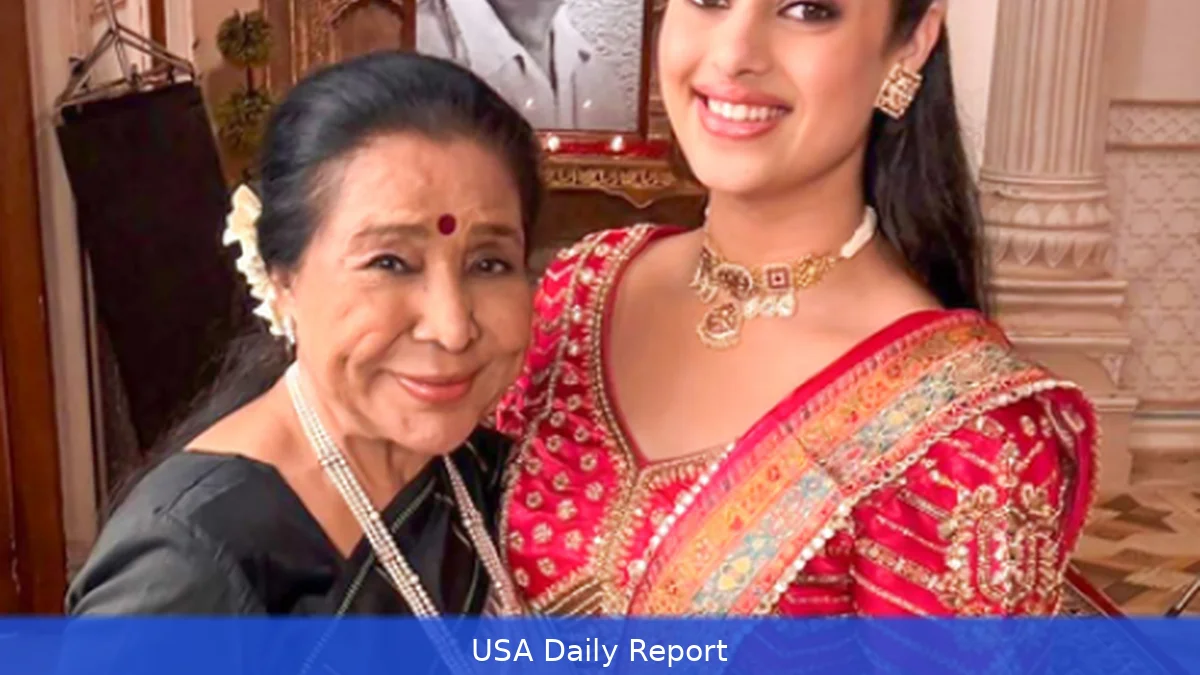
Asha Bhosle has died, and tributes poured in from artists and fans worldwide.
Global outpouring for a towering career
News of Asha Bhosle’s death quickly sparked condolences from artists and fans everywhere. Fans, fellow musicians and film stars publicly remembered a singer whose career stretched across decades and genres.
Look, the response wasn't limited to India. It came from London to Los Angeles, from film studios to independent bands.
Among those who paid tribute were composer A R Rahman and actor Shah Rukh Khan, who used their platforms to mark the loss. Musicians from different scenes also weighed in: Tjinder Singh of the band Cornershop said few artists have been loved in so many languages and dialects, and he praised the astonishment her songs brought to listeners.
Her passing showed how deeply she influenced not only Hindi cinema but also regional music, ads, and live shows.
Why the reaction spread so fast
Asha Bhosle’s name is tied to a vast body of work that made her familiar to multiple generations. She sang hundreds, if not thousands, of songs in films and on records, and collaborators ranged from classical composers to pop and electronic artists.
Her wide-ranging work let artists from various genres and countries find songs they loved or collaborated on. So when news of her death travelled, the ripple reached a wide and varied audience quickly.
Thing is, she wasn’t only a voice on the soundtrack of films. Her work carried melodies and emotions into everyday life — radio, television, restaurants, family gatherings. That everyday presence created a long memory among listeners, which explains both the intensity and the variety of tributes.
What it means for the music and entertainment sectors
The immediate effect has been cultural — a rush of streams, social posts and commemorations. Record labels, film studios and rights holders often see renewed interest in an artist’s catalogue after they die, and music-services algorithms typically promote older recordings when search volume spikes.
That surge brings money back into a catalogue. Royalties from increased plays flow to rights holders, estates and, where applicable, surviving family members.
When a star dies, the film industry often puts together retrospectives and special shows. Television channels and streaming platforms sometimes create curated playlists or collections, and festival programmers can mount tribute screenings. The commercial impact isn’t trivial: renewed visibility can lift licensing income for older films and recordings.
Frankly, the mechanics of music monetization mean a renewed public focus translates into clear economic activity — from higher streaming counts to merchandise and ticketed memorial events.
Political and diplomatic notes
After a cultural icon dies, public figures and politicians usually speak out. In India, high-profile tributes to a performer of Asha Bhosle’s stature can become a shared national moment, a chance for leaders to acknowledge cultural contributions.
And that national conversation has a diplomatic edge. Cultural diplomacy is part of how countries project soft power abroad, and global recognition of a prominent artist reinforces ties with diasporas and international audiences. Concerts, tributes at diplomatic missions, and programming at cultural institutes can all follow.
Right now, diplomats and cultural agencies in countries with sizeable Indian communities — including the United States — often organize memorial events when a major figure passes. Those events serve both as mourning and as a public reminder of cultural connections between nations.
How U.S. Audiences and institutions might respond
U.S. Cultural institutions and media outlets typically cover the passing of major international artists, and broadcasters may run tributes or segments for American viewers. Academic departments focused on South Asian studies and musicology sometimes hold panels or lectures exploring the artist’s legacy.
Plus, streaming platforms with global libraries will probably surface her music to U.S. Subscribers, making her work more visible to people who knew her only by reputation. That can spark renewed interest among artists and producers in the U.S. Who seek cross-cultural collaborations or samples.
The U.S. market feels less economic impact than India, but the cultural influence still matters. But cultural influence doesn’t translate only into dollars — it nudges programming decisions, inspires creative projects, and reminds audiences how intertwined global pop culture has become.
Legacy and influence across generations
Musicians and critics say Asha Bhosle reshaped how female singers in South Asia could perform — moving between classical styles, cabaret, folk, pop and experimental sounds. Her adaptability meant younger artists could look to her as a model for genre fluidity.
Many contemporary musicians have sampled or reinterpreted her recordings. Producers across genres have used snippets of her voice in new contexts, while film directors have leaned on her songs to evoke particular moods or eras.
Her legacy of crossing genres and experimenting helped explain the wide reaction. People from multiple musical communities feel entitled to claim her as an influence.
What comes next
Mourners will continue to share memories, and media outlets will keep producing obituaries and retrospectives that map out her career and achievements. Record labels and rights holders will manage licences and any posthumous releases, and families sometimes announce memorial concerts or foundations.
For scholars and music fans, the moment also triggers a deeper look at how music travels: how a single voice can carry different languages, local styles and international tastes at once.
Bottom line, the tributes reflect more than nostalgia. They show how a performer's body of work becomes a shared cultural resource that keeps generating attention — and economic activity — years after it was first produced.
Still, amid stats and markets, people are remembering the simple power of a song to move them. That’s why so many messages have focused less on numbers and more on memory.
Related Articles
- Nine Million Removed From West Bengal Voter Rolls, Deepening Political Tensions
- Gulf States Rethink Security After US–Israel War with Iran; Strait of Hormuz Emerges as Flashpoint
- Stampede at Haiti’s mountaintop fortress kills at least 25, dozens hurt
Tjinder Singh of the band Cornershop said: "few have reached the ability to be loved in so many languages and dialects, and even fewer have reached so many with the astonishment of heart that her songs gave us".


