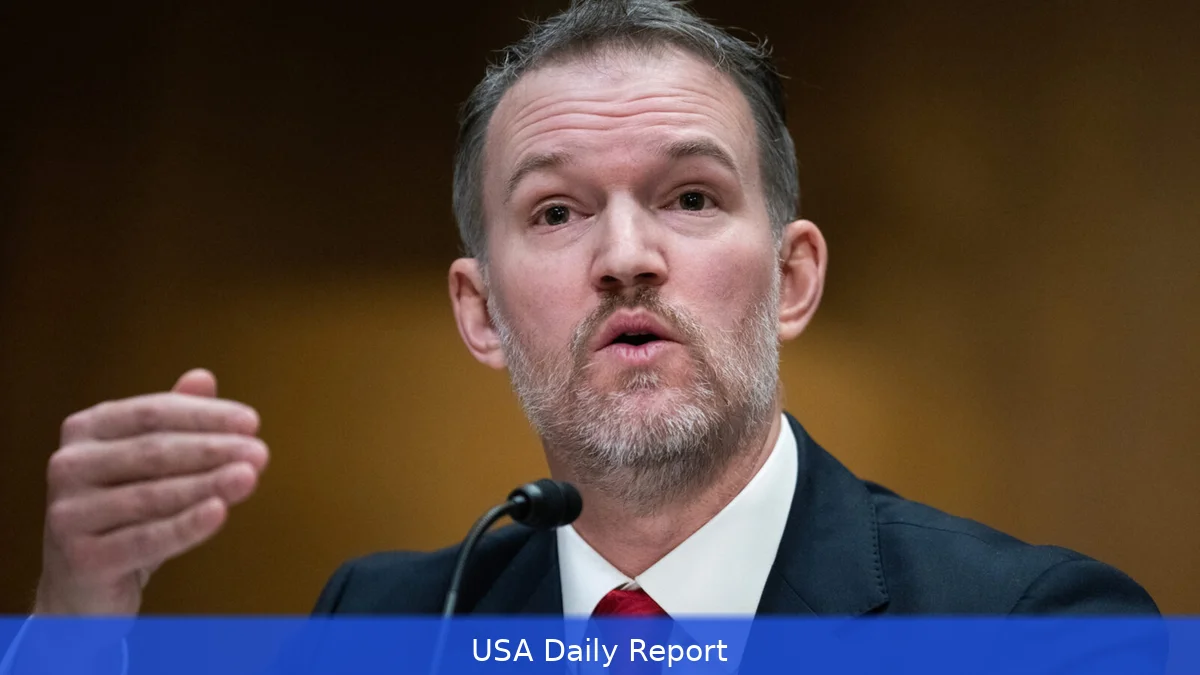
Whirlpool is investing $60 million to build a factory in Ohio. But Trump’s trade chief used the announcement to play down fresh inflation worries.
Factories, not figures
Jamieson Greer, the U.S. Trade Representative, spent the week walking factory floors around the Great Lakes. He kept pointing to new orders and assembly lines as evidence the administration's trade push has encouraged investment on the ground. He visited a Whirlpool plant in Clyde, Ohio; an assembly line for Jeep Wagoneers in Warren, Michigan operated by Stellantis; and several smaller manufacturers, including a drone maker in Michigan. At the Whirlpool stop, company officials announced a $60 million commitment to build a new factory in Ohio — a headline Greer leaned on repeatedly.
Look, he said he sees workers and orders.
Greer kept pushing the jobs-and-pay argument, saying those wins matter more than this month's price blip. "I know the plan is working," he told reporters on the floor of the Whirlpool plant, according to his remarks. He argued the trade program is aimed at boosting wages and onshoring production, not immediately tamping down consumer prices.
Energy costs and the shipping crunch
Still, the backdrop Greer sidestepped is hard to ignore. Last week the Labor Department reported that inflation rose to 3.3 percent in March, marking the biggest monthly uptick in two years. The Labor Department also said higher energy costs accounted for roughly three-quarters of that monthly increase, a jump manufacturers say hits their margins fast.
Shipping lanes are clogged as well.
The fight in the Middle East and a brief ceasefire have done little to restore normal shipping through the Strait of Hormuz, S&P Global Market Research found; only three tankers crossed since Tuesday in the data cited by trade and industry watchers, compared with more than 50 a day before the conflict. That bottleneck has pushed energy prices up and left manufacturers facing higher input costs and delivery delays.
All of that — rising energy bills and slower deliveries — is dragging down how consumers feel about the economy. Politico reported that consumer sentiment sank to a record low in recent measures, a sign households are growing uneasy about prices and the economy.
Local politics, national message
Greer’s trip came with politics in the room. Republican officials are trying to sell a hopeful story in Michigan and Ohio, states that host high-stakes Senate and gubernatorial fights this year. Four years ago, Republicans seized Rust Belt voters by focusing on economic anxiety; the party is using a similar pitch now but flipping the script — saying the current administration’s policies are retooling manufacturing for the long run.
Rep. John James, R-Mich., attended the Warren visit and spoke with Greer on the shop floor, underscoring the political audience for the tour.
The trade chief framed Whirlpool’s new plant as an example of his office’s goals translating into investment on the ground. He pointed to rising manufacturing wages at several stops and touted new orders and capacity expansions. "And frankly, the trade program, it's not really about prices, it's about jobs and wages," Greer said, per his comments at the plant — a direct rebuttal to critics who say tariffs and trade barriers raise costs for American manufacturers.
Manufacturers themselves, though, have given mixed signals. Some executives at the sites Greer visited praised the attention on U.S.-based production. Others have warned publicly that higher energy bills and supply snarls are making it more expensive to build here, a tension Greer acknowledged only in broad terms while he kept the tour focused on employment and capital commitments.
Market signals and real costs
Financial markets have been sensitive to the shift in inflation readings. A higher-than-expected CPI report can tighten credit conditions, push Treasury yields up and make borrowing costlier for firms planning new factories or expansions. For companies already facing elevated energy bills and slower shipments, those financing moves matter.
A factory deal and a pay raise help, but they won't wipe out rising input costs immediately.
Analysts say single projects, even multimillion-dollar ones, rarely flip a company's unit costs; they want steady supply-chain fixes and predictable energy costs. They welcome capital flows, but they also look for sustainable improvements in supply chains, energy stability and predictable trade rules. Greer argues the administration’s trade measures create that predictability. Critics say the policies have costs manufacturers will keep paying.
The Strait of Hormuz data from S&P Global Market Research and the Labor Department’s CPI release are concrete examples of the headwinds firms are naming. Those numbers feed into corporate plans: firms decide whether to expand, delay or cut back based on energy and freight costs, availability of parts and the outlook for consumer demand.
What manufacturers are telling officials
On the plant floors, company managers described a familiar calculus: orders are strong in some areas, but input cost volatility is rising. At one stop, a plant manager detailed overtime schedules and hiring pushes. At another, executives detailed capital-allocation decisions aimed at boosting capacity for popular consumer models.
Greer pointed to those hiring and investment announcements and argued they show his trade strategy is delivering results. He framed the higher headline inflation number as a temporary disruption tied to global events rather than a new structural trend.
That framing tracks with Republican campaign messaging — emphasize jobs wins, downplay short-term price moves — even as Democrats plan to use the higher CPI and sagging consumer sentiment to argue voters are feeling real pain at the pump and at the grocery store.
Whirlpool’s $60 million factory plan is a fresh data point in that fight. It’s a concrete corporate decision that creates jobs and capacity. It’s also a single corporate bet in a much bigger industrial economy grappling with energy costs and global supply-chain shifts.
Related Articles
- Inflation Climbs to 3.3% as Strait of Hormuz Chokehold Sends Prices Higher
- China rolls out 'goodwill' economic steps for Taiwan after rare meeting with KMT leader
- U.S. inflation surges as Iran war sends gasoline and energy costs skyrocketing
"I know the plan is working," said Jamieson Greer, U.S. Trade Representative, on the Whirlpool plant floor as the company announced the $60 million Ohio investment.


