Inflation rose to 3.3% in March. That’s the quickest jump in nearly four years. And consumers are already reacting.
Why inflation climbed
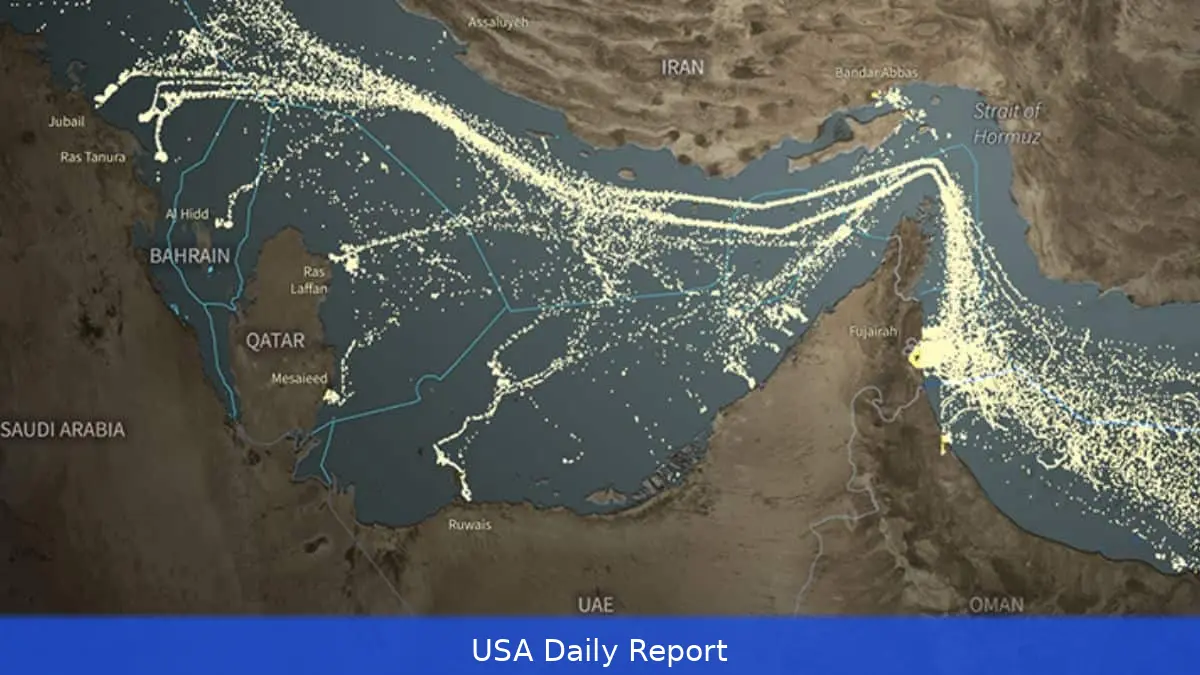
The Strait of Hormuz was closed late in February, and that disruption to oil shipments helped push energy and related prices up.
The University of Michigan’s preliminary April consumer sentiment reading slipped below 50 — the lowest on record.
Ship movements through the strait fell sharply after the closure, according to BBC counts, rather than shifting gradually over months. The BBC reported that only 19 ships, including four tankers, passed the strait after the fragile ceasefire was announced — compared with the normal flow of well over 100 ships a day. With only a handful of tankers transiting, oil availability tightened and U.S. pump prices rose above $4 a gallon, which raises transport costs and feeds into higher food prices.
Rory Johnston, an oil markets expert, told Vox that even if the strait reopens soon, it won't be an instant fix; the supply rebound could take weeks, if not months.
From the pump to the pantry
Higher fuel costs ripple. Drivers pay more, and companies face bigger transport bills — and those costs get folded into prices for groceries, clothing and nearly everything that needs moving.
March's 3.3% inflation came as households were already feeling higher pump and grocery prices; the sources link the Strait disruption to those price moves, though they stop short of saying it explains the entire headline rate.
And consumers are noticing. The University of Michigan's sentiment drop shows people are less confident about the economy just as prices accelerate. That kind of mood shift matters because consumer behavior can amplify price trends. If households pull back on spending, some sectors slow. If they keep buying despite price rises, businesses may feel less pressure to cut prices.
Ceasefire, but no open lane
Although a fragile ceasefire appears to be holding, BBC ship counts show traffic through the strait has not returned to normal levels.
BBC's ship counts tell the story — far fewer vessels are transiting. So even with diplomacy on the table, the physical flows that supply oil and commodities remain constrained.
American and Iranian negotiating teams are set to meet in Pakistan this weekend to discuss a more durable peace. That meeting could change the picture. But past weeks have shown negotiating progress and immediate shipping flows don't always move together; the last mile of logistics is slow to catch up.
What experts are saying
Johnston's point to Vox is simple: oil markets don't snap back instantly. Tankers have schedules, ports have backlogs, insurance and routing have to be sorted. Even after the political decision to reopen a channel, the physical and commercial process of moving oil back into global distribution takes time.
Rory Johnston told Vox that logistics and market lags can delay supply rebounds, which helps explain why March inflation jumped by nearly a percentage point from February. Markets react to supply expectations as much as to current flows; the fear of longer disruptions can push spot prices up and make companies hedge differently.
How households feel it
Consumers are already registering the strain. The University of Michigan measure falling under 50 is a stark reading: people are less upbeat about current conditions and future prospects. That sentiment reading was preliminary in April, and it's unusually low — signaling worry among households about rising prices and the economy's direction.
Gas topping $4 a gallon matters for a wide swath of Americans. Not everyone drives the same amount, but most households feel gasoline price swings immediately.
And food prices, which move with transport and energy costs, make those swings harder to shrug off.
Policy and politics have entered the frame
Political leaders have noticed. President Donald Trump weighed in on social media — writing on Truth Social that "The only reason [the Iranians] are alive today is to negotiate!" — underlining how geopolitics is front and center in public debate over the economy.
Talks and threats both shape market expectations. Traders and buyers watch not just ship counts and tanker schedules but also the tone from negotiators and political leaders. That combination of on-the-water facts and on-the-record rhetoric helps set prices day to day.
Timing matters — and the timing is uncertain
Even if talks in Pakistan lead to a durable reopening of the Strait, the recovery won't be immediate. Johnston's observation about weeks or months for supply normalization highlights the gap between political fixes and logistical reality. Ships need time to re-route, contracts need renegotiation, traffic needs to rebuild.
The March spike might stick around: if shipping and commercial confidence take weeks or months to recover, higher costs could persist.
Broader implications for markets and consumers
Higher inflation squeezes company margins when businesses can't fully pass on costs, and it forces households to choose between spending and saving — the April University of Michigan reading shows consumers are already more worried.
Right now, the data points are simple and stark: shipping through the Strait remains far below ordinary levels, gasoline prices have climbed above $4 a gallon in the U.S., and the consumer mood has soured, according to the University of Michigan.
Those are the tangible pieces tying geopolitics to household budgets and the headline inflation number reported for March.
Related Articles
- U.S. inflation surges as Iran war sends gasoline and energy costs skyrocketing
- ‘The plan is working,’ Trump's trade adviser tells Rust Belt amid rising inflation
- Panicked Hunt for Barrels Sends Physical Oil Prices Soaring
On Truth Social, President Donald Trump wrote: "The only reason [the Iranians] are alive today is to negotiate!"


