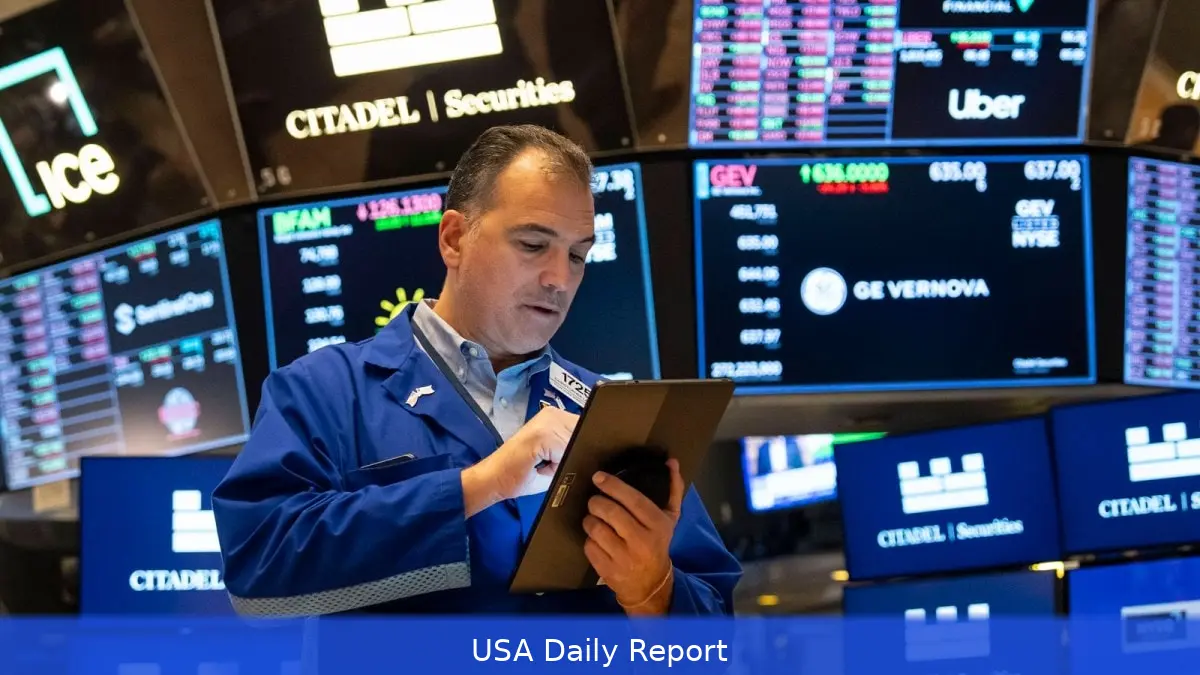
Oil prices spiked nearly 80% amid the Iran crisis, but Wall Street’s reaction has been surprisingly muted. Now, investors warn the fallout could leave a lasting mark on markets.
Markets React to Iran Tensions with Unease
When the Strait of Hormuz—the critical chokepoint for a fifth of the world’s oil supply—closed due to the Iran conflict, many expected Wall Street to plunge. Instead, the S&P 500 has dipped just 4% over nearly a month, while traditional safe havens like gold and U.S. Treasurys barely budged. Oil prices, however, told a very different story. Brent crude and West Texas Intermediate (WTI) crude surged as much as 80%, hitting nearly $120 a barrel before settling back under $100.
That contrast between oil’s wild swings and the broader market’s calm has some pros worried. They say investors might be brushing off the real risks the Middle East crisis poses to the global economy and financial markets.
Investor Complacency Raises Concerns
For many on Wall Street, the muted market response feels like a dangerous underestimation. "The market’s coolness is almost a warning sign," says one veteran trader. "Usually, when oil jumps this much, stocks sell off hard and safe assets rally. This time, it’s all over the place, and that’s unsettling." Normally, gold and Treasury prices jump during crises, but this time they barely moved, showing investors aren't sure where to park their cash.
Still, some investors argue the lack of a broader market sell-off reflects confidence in the Federal Reserve’s ability to manage inflation and economic growth despite the geopolitical shock. But others see the calm as a fragile facade masking deeper vulnerabilities.
The Oil Shock and Its Ripple Effects
Oil’s surge was the clearest sign of the Iran conflict’s immediate impact.
The Strait of Hormuz is crucial because about 20% of the world’s oil passes through it daily. When Iran threatened or partially closed the route, fears of supply shortages sent prices soaring.
Oil prices hit $120 a barrel for the first time since the post-pandemic rebound, shaking up industries that rely heavily on energy.
Thing is, higher oil prices feed directly into inflation, pushing up costs for transportation, manufacturing, and goods. For U.S. Consumers, that means more expensive gas and goods, which could weigh on spending and economic growth. The Federal Reserve, already battling inflation, faces a tougher job if energy costs remain high.
And the impact isn’t just local. Global markets are linked tightly, so disruptions in the Middle East can ripple through currencies, bonds, and equities everywhere.
Why Wall Street’s Calm Might Not Last
Some investors warn that the market's calm won't last.
They point to history for lessons. In past Middle East conflicts, markets eventually absorbed the shock but only after bouts of volatility and economic strain. The 1990 Gulf War, for example, saw oil prices spike then settle, but the uncertainty dragged on market sentiment for months.
"An asset manager notes that past geopolitical conflicts have left lasting impacts on markets. "Right now, it looks like the market is waiting to see how deep the conflict goes. But if the Strait of Hormuz stays closed or the conflict escalates, the sell-off could be painful."
And there’s a risk that the current calm encourages risk-taking just as underlying dangers grow. Investors might be too quick to dismiss the conflict’s potential to disrupt supply chains, corporate earnings, and global growth.
Where Safe Havens Stand
Gold and Treasurys, classic go-to assets during crises, haven’t rallied as much as many expected.
Gold prices edged up but didn’t spike, while Treasury yields showed only modest declines. That’s odd given the spike in oil and the geopolitical risks at play.
Investors seem stuck between conflicting factors. Inflation worries keep interest rates elevated, limiting Treasury gains. Meanwhile, concerns over the U.S. Dollar’s strength and broader economic uncertainty temper gold’s appeal.
Some analysts believe safe havens might gain appeal if tensions rise or the conflict drags on. "They’re holding back for now," says a strategist. "But the moment the situation escalates, expect a rush to safety."
What Investors Should Watch Next
The key moving parts are the conflict’s duration and any disruptions to oil supply. Markets will also be watching how governments respond—whether sanctions tighten, military actions escalate, or diplomatic efforts ease the crisis.
Meanwhile, corporate earnings reports and economic data will show how the conflict’s ripple effects feed into the real economy. Higher costs, slower growth, or weaker consumer spending could all hit stocks harder if the crisis drags on.
For now, many investors remain cautious but reluctant to panic. They’re watching oil prices closely and keeping an eye on safe havens, ready to adjust their portfolios if the situation shifts.
The financial impact of the Iran conflict could still be unfolding. Some warn the conflict could leave a lasting scar on Wall Street, reshaping risk appetite and market behavior for years.
Related Articles
- China’s BYD Sees Profit Rise in Energy Storage Amid Iran Conflict and Lithium Price Surge
- Dow Climbs, Oil Prices Edge Up Amid Fragile Ceasefire and Cybersecurity Concerns
- US Stock Rally Stalls as Doubts Over Iran Ceasefire Cool Market Optimism
Right now, the market’s calm feels like a waiting game. But if the Strait of Hormuz stays closed or conflict escalates, the scars could run deep.


