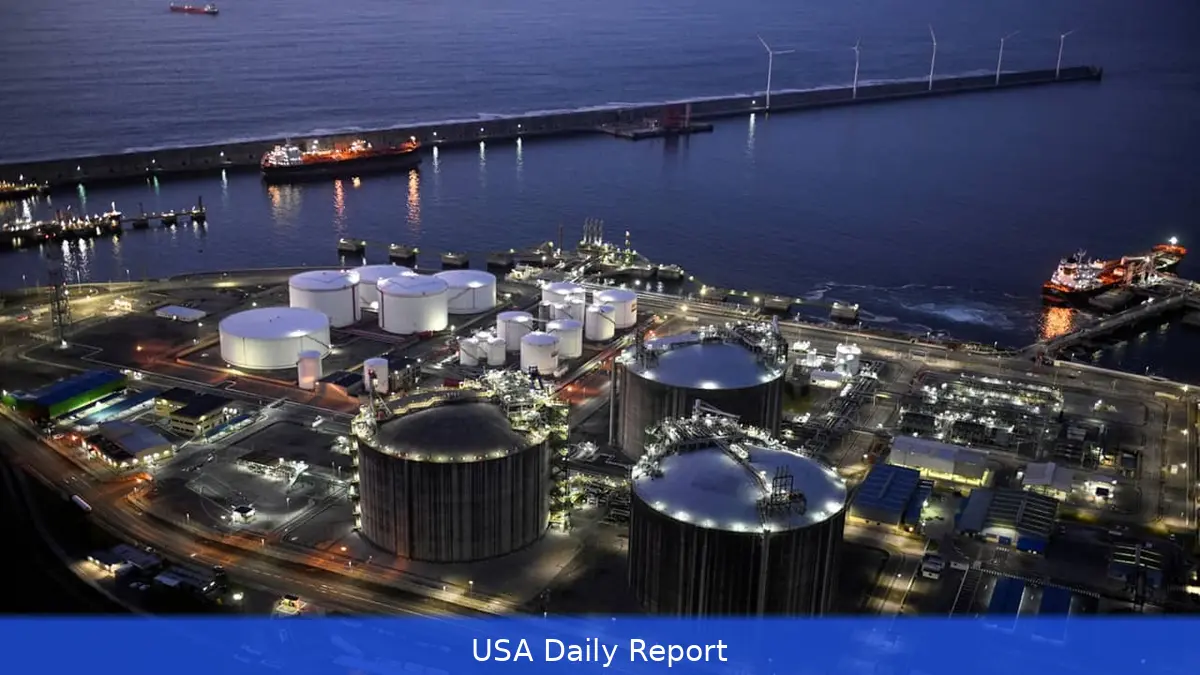
Oil crossed the $100 mark this spring, rattling markets and boardrooms alike. Markets are jittery and corporate plans are shifting.
Supply shock and the Strait of Hormuz
Executives from major oil companies told an energy conference in Houston that the war in Iran has knocked crucial volumes of oil and liquefied natural gas out of global trade lanes. Sheikh Nawaf al-Sabah, chief executive of Kuwait Petroleum Corporation, said the de facto closure of the Strait of Hormuz amounts to an economic blockade, and that the move is "holding the world's economy hostage."
It’s a massive disruption — oil is trading above $100 a barrel. ConocoPhillips CEO Ryan Lance warned delegates that removing about 8 to 10 million barrels per day of crude, plus roughly 20% of the global LNG market, can’t happen without wide ripple effects. Those ripples are already showing up in prices and supply chains.
Industry leaders described attacks that have shut down major export routes and hit key facilities. The closure of the world's largest liquefied natural gas hub in Qatar — where some international firms are big investors — forced evacuations and put assets at risk, executives said. ConocoPhillips told officials it needs protection for personnel and investments in the region.
Paul Sankey, an independent analyst at Sankey Research who worked at the International Energy Agency, told delegates he’s never seen anything like the current squeeze. "This is the worst I’ve seen," Sankey said, adding that the closure of the Straits of Hormuz is historically rare for modern markets.
Market reaction and the US economy
Since the war began, crude benchmarks have climbed sharply; Brent crude traded above $100 a barrel in March, up from roughly $70 per barrel before the conflict escalated. Gasoline and diesel prices moved higher too — the national average for regular gasoline in the U.S. Topped $4 per gallon in late March, and diesel is nearer $5.45 a gallon in many places, according to fuel analysts.
This matters: higher fuel costs raise transport and goods prices and can push headline inflation higher — gasoline averages topped $4 in March. Patrick De Haan, head of petroleum analysis at GasBuddy, said Americans are spending "hundreds of millions of dollars more on gasoline every day."
But this isn’t just about higher pump prices; it’s pushing up transportation costs across supply chains and squeezing margins. Financial markets are oscillating between bets on a quick cease-fire and fears of a protracted disruption that would force nations to rebuild strategic reserves. The volatility has weighed on equities: the S&P 500 had its worst quarter since 2022, and technology-heavy indexes fell into correction territory in March.
The timing ties the Fed’s hands — it’s weighing cuts to boost growth against the risk of stoking inflation as energy costs spike. The Federal Reserve trimmed rates three times at the end of last year and then held steady this year. Policymakers now face a choice: cut further to aid growth at the risk of stoking inflation, or keep rates higher to clamp down on price pressures while slowing the economy. Officials are watching energy-driven inflation closely because fuel costs can lift headline inflation quickly.
Corporate planning, deals and the capital markets
Bank and corporate leaders have started to factor the conflict into their planning. David Solomon, chief executive of Goldman Sachs, told investors that IPO activity slowed in March and that companies were watching the Middle East carefully. "There is no question that with the conflict in the Middle East, IPO activity slowed a little bit, particularly in March," Solomon said on his firm's earnings call.
That slowdown matters for Wall Street revenue. Several high-profile initial public offerings expected this year — from big private tech names to large venture-backed firms — are potential revenue drivers for banks. If energy-driven inflation or market volatility stays high, underwriters could see a thinner pipeline of deals and smaller valuations.
Corporate chief executives are thinking about supply costs as well. Higher fuel prices translate into higher transportation and logistics expenses, and those costs tend to get passed to customers or clip margins. Investors will be watching second-quarter earnings reports for signs of pressure; if the conflict drags, company results could show the strain more clearly in the months ahead.
Calls for security and the political backdrop
At CERAWeek, several executives urged the U.S. government to beef up protection for Gulf assets and staff; Conoco said it had evacuated nonessential workers and asked for military protection. ConocoPhillips said it had evacuated nonessential staff from affected sites and asked for U.S. Military protection around investments in the region. Energy Secretary Chris Wright described the market impact as a "short-term period of disruption," while defending broader policy aims in the region.
On the political front, moves such as a U.S. Blockade of Iranian ports in the Strait of Hormuz — announced by the administration this spring — could extend the conflict or complicate efforts at a quick resolution, some market strategists argue. That, in turn, would deepen the supply shock and keep both commodity and financial markets on edge.
The U.S. Economy isn't immune. Higher fuel costs act like a tax on consumers and businesses, shaving disposable income and potentially slowing consumer spending. At the same time, energy-sector profits are rising, and some drillers and refining firms have benefited from the price spike. The net effect will depend on how long prices stay elevated and whether policymakers respond with fiscal or regulatory measures.
Where investors and companies stand now
Investors are shifting into energy names and trimming riskier holdings; energy stocks led recent gains for a reason. Energy firms have outperformed in recent weeks as markets priced in a prolonged squeeze. At the same time, defensive sectors — utilities, certain consumer staples — have seen inflows as traders seek shelter from swings.
Frankly, many companies are taking a wait-and-see approach to hiring and deals, delaying large moves until the outlook clears — that helped slow IPO activity in March.d-see approach. Some are accelerating contingency plans; others are delaying large transactions until market clarity returns. The IPO calendar offers a useful barometer: if equity markets stay resilient, underwriting activity could bounce back. If not, deal volumes will lag.
There’s a practical economic takeaway for the U.S.: persistent high oil and gas prices raise the odds of higher inflation readings and tighter household budgets this year. That influences everything from Federal Reserve choices to consumer confidence and corporate hiring plans.
One-sentence paragraph for impact.
Bottom line: businesses and policymakers are recalibrating fast, and the costs of the conflict are already stretching well beyond the region.
Related Articles
- Trump Threatens Blockade of Strait of Hormuz as Oil Prices Spike; Orbán Loses Re‑election
- Pope Francis says he has 'no fear' of Trump after scathing presidential post
- Rupee’s slide is about oil — and a lot more than the Iran war
“You just can't take 8 to 10 million barrels a day of oil and 20 or so percent of the [liquefied natural gas] market off the world stage without having some significant repercussions,” said Ryan Lance, chief executive of ConocoPhillips.


