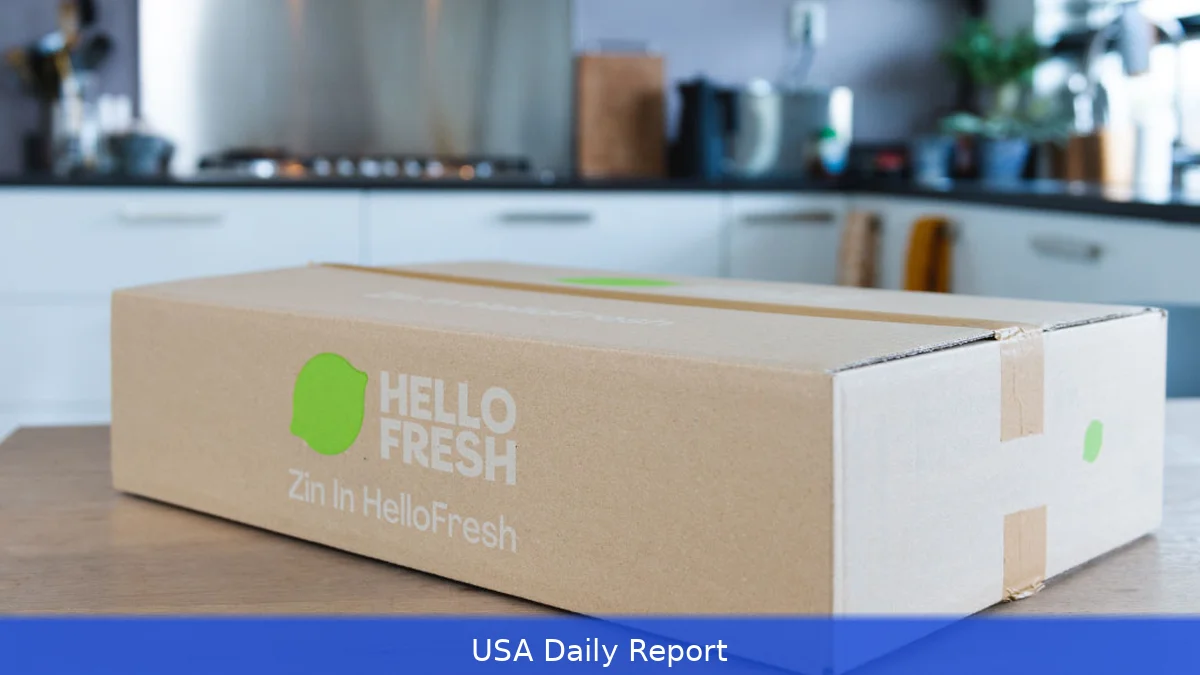
HelloFresh is betting big—$70 million big—on artificial intelligence and meal variety to keep customers coming back. The company sees its service as more than just convenience; it’s a way for consumers to hedge against soaring grocery bills.
Doubling Down on Meal Choices
HelloFresh is making a major bet on expanding its meal-kit offerings as a response to inflation-driven food costs. The company plans to more than double its weekly meal options, boosting them from 45 to over 100. Portion sizes are also set to grow, reflecting consumer demand for more substantial meals at home.
Assaf Ronen, HelloFresh’s group president, told Bloomberg The move is aimed at increasing brand loyalty, especially as customers look to cut back on eating out. "The more we invest in customers, the more they stay with us," Ronen said. That $70 million check isn’t just about growth—it’s a strategic play to keep customers hooked during tough economic times.
Look, inflation has pushed food prices higher, squeezing household budgets. Many shoppers are trying to stretch their dollars by cooking more at home, which has boosted demand for meal kits.
HelloFresh’s internal surveys found that a majority of their users plan to eat more meals at home, with nearly 60% reporting boredom with their usual dinner options. The company’s move to expand its menu addresses this head-on, offering new and varied meals to keep things fresh—and customers engaged.
What’s more, the shift in work patterns is influencing how people approach dinner. As many workers return to offices or adopt hybrid schedules, their available time for meal prep shrinks. A recent PYMNTS report noted that 75% of food subscription customers who signed up in the last six months work in hybrid or office settings, compared to 51% of remote workers. So, the desire for quick, easy, and interesting meals is growing. HelloFresh looks to fill that need with its expanding and more personalized menu.
AI at the Heart of Customer Experience
Artificial intelligence is playing a key role in HelloFresh’s latest efforts. The company is developing AI-powered tools that help customers navigate the growing meal selection. The system learns from each order, tailoring suggestions based on individual tastes and preferences.
"What’s at the top of your list will be more relevant for you," Ronen said.
This kind of personalization might change the meal-kit industry. By understanding customers better and honing recommendations, HelloFresh hopes to boost satisfaction and reduce churn. That’s key when competition is fierce and subscription fatigue sets in.
AI is also speeding up internal processes. HelloFresh recently deployed AI to overhaul how it produces recipe cards. What used to take months now happens in hours. The system automates layout and design work without sacrificing the chef-driven creativity that defines HelloFresh’s brand. This faster workflow allows the company to respond swiftly to food trends and customer feedback, rolling out new recipes across its global markets much quicker than before.
HelloFresh operates in 18 countries and delivers hundreds of millions of meals every quarter. Scaling operations like this demands efficiency. The AI-driven recipe production reduces bottlenecks, letting HelloFresh keep its menu fresh and exciting worldwide. That’s vital when the global meal-kit market is growing but also becoming more competitive.
Why Customers Use HelloFresh to Hedge Food Costs
Here’s the thing — many customers are turning to HelloFresh not just for convenience but as a way to manage rising food expenses. With grocery prices on the rise, meal kits offer a predictable cost and reduce food waste through pre-portioned ingredients. Customers can lock in a set price for weekly meals, avoiding the uncertainty of fluctuating supermarket prices.
HelloFresh is helping households manage their food budgets. Instead of gambling on weekly grocery deals or facing surprise price hikes, subscribers get consistent, budget-friendly meals. This appeal has helped the company weather inflation better than many food retailers.
The expanded menu and AI personalization help keep customers coming back. When customers find meals they love and see the value in saving time and money, they’re less likely to cancel. That’s important because subscription services often struggle with churn, especially in tight economic times.
Sure, the $70 million investment may seem hefty, it’s a calculated move to deepen customer relationships and build resilience against economic swings.
The Bigger Picture: AI and the Future of Food
AI isn’t just a HelloFresh thing. The food industry as a whole is leaning into technology to solve problems and attract customers. The smart restaurant robot market alone will probably top $10 billion by 2030, driven by robots handling delivery, taking orders, and serving tables.
Restaurants also lean on AI to tackle administrative work. PYMNTS research found nearly 75% of eateries say AI is "very or extremely effective" at business tasks. For HelloFresh, AI helps not only in customer-facing areas but also behind the scenes—speeding up recipe development and scaling operations.
AI combines efficiency with personalization in a unique way. It lets companies serve more customers with fewer resources while still creating tailored experiences. That combo is rare and powerful.
The meal-kit market faces some challenges. Competition is stiff.
Customers can cancel anytime, and meal fatigue is real. HelloFresh’s big bet on AI and variety aims to solve those problems by keeping meals exciting and making choices easier.
But no matter how smart the algorithms get, human taste buds and preferences will always matter. HelloFresh’s challenge will be balancing tech with quality and creativity to keep customers satisfied—especially as food prices continue to climb.
Related Articles
- US Stock Rally Stalls as Doubts Over Iran Ceasefire Cool Market Optimism
- US Consumer Spending Slows as Inflation Keeps Pressure on Economy
- Treasury Yields Hold Steady Amid Mixed U.S. Economic Data and Rising Oil Prices
HelloFresh’s $70 million AI and menu expansion is proof that meal kits are more than a convenience—they’re a tool for consumers trying to control their food spending. The company’s strategy shows how tech and variety can deepen loyalty in a tough market. How well they execute could shape the future of home dining.


