
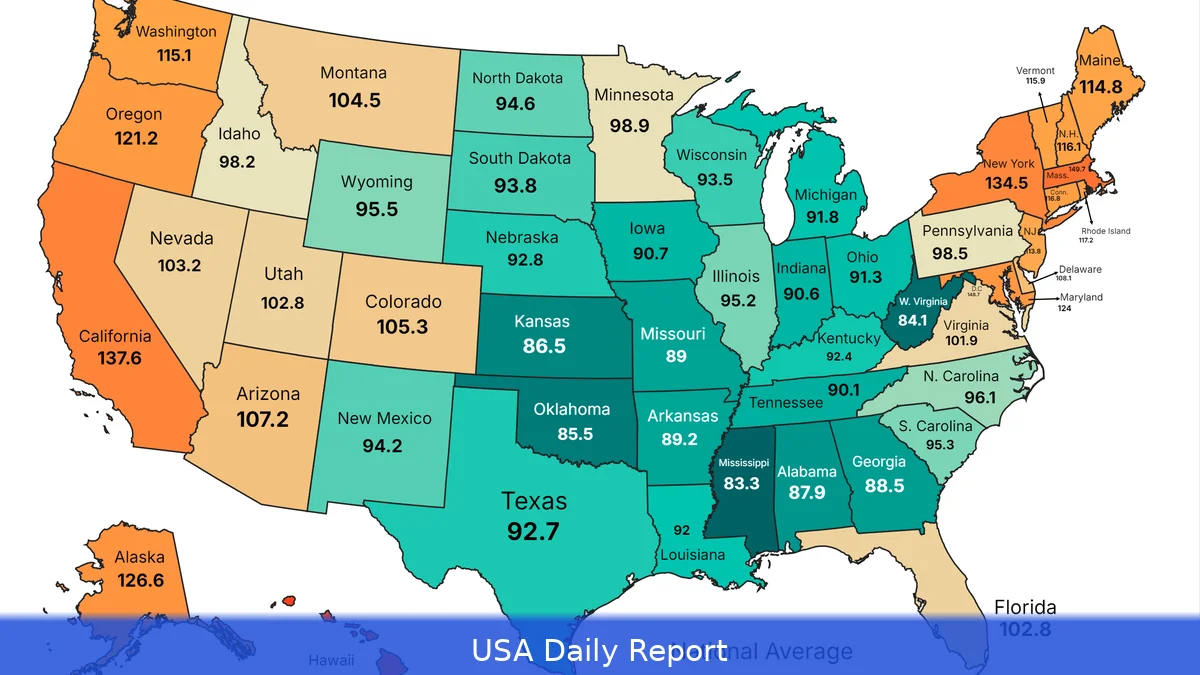
Every dollar counts when you’re making decisions about where to live. In 2026, the cost of living across the United States continues to shift, shaped by local economies, housing markets, and everyday expenses. Whether you’re planning a move, weighing job offers, or just curious about the financial landscape, knowing where your money stretches the furthest can make all the difference. This guide breaks down the cost of living state by state, diving into housing, groceries, transportation, and lifestyle essentials. We’ll explore how your day-to-day expenses stack up, what factors drive higher costs, and where you can find more affordable living without sacrificing quality. By the end, you’ll have a clear picture of how far your dollar goes in every corner of the country, along with practical tips to make smarter financial choices wherever you call home.
Understanding Cost of Living: What Factors Really Matter?
Cost of living is more than just the price on your grocery receipt. It’s the sum of all your expenses—from rent and utilities to transportation, healthcare, and taxes. It’s a complex picture shaped by local economies, regional policies, and lifestyle choices. Housing costs often dominate this equation. Rent or mortgage payments can take up half or more of your budget, especially in urban areas where demand outstrips supply. But other expenses matter, too. Energy prices vary widely depending on climate and infrastructure. Transportation costs hinge on public transit availability, gas prices, and commute distances. Even groceries can cost more or less depending on regional supply chains and local competition.
Taxes also play a hidden but significant role. States differ in income, sales, and property tax rates, affecting your take-home pay and spending power. For example, states with no income tax might make up for it with higher sales or property taxes. Meanwhile, healthcare costs can vary based on state regulations and insurance markets. That’s why looking at cost of living isn’t as simple as checking rent prices. It requires a fuller view of how your money is spent and what trade-offs you’re making.
Understanding these factors helps you evaluate your personal budget against state averages. It also reveals why some places might look cheap on paper but come with hidden expenses that add up. So, when we compare states, we look beyond just housing to include all these major categories. The approach gives a realistic sense of where your dollar stretches further and where it’s squeezed tight.
Housing Costs: The Biggest Budget Breaker
Housing remains the single largest expense for most Americans. In 2026, the gap between affordable and expensive markets is wider than ever. Coastal cities like San Francisco, New York, and Boston still command sky-high prices, often pushing monthly rents and mortgages well above national averages.
But inland and southern states often offer far more affordable options.
Sure, states like Ohio, Indiana, and Mississippi feature median home prices and rents significantly below the national average. That translates into more disposable income or the chance to save aggressively. Even within states, costs can vary dramatically. Urban centers tend to be pricier, while suburban and rural areas offer cheaper housing but might come with longer commutes or fewer amenities.
Renters and buyers alike face different challenges. Renters in tight markets often deal with high competition and limited inventory, driving prices up. Homebuyers face rising mortgage rates and stiff competition, especially in markets that saw a surge during the pandemic. Still, some states have implemented policies to expand affordable housing and stabilize rental markets. If you’re planning a move, researching local housing trends and understanding your budget limits is critical.
Also, consider additional housing-related costs like property taxes, homeowner’s insurance, and utilities. States like New Jersey and Illinois have high property taxes that can add thousands to annual housing costs. On the flip side, some southern states have lower property taxes but higher insurance premiums due to weather risks. Knowing these nuances helps you avoid surprises and pick a home that fits your financial picture.
Transportation and Utilities: The Hidden Costs of Getting Around and Staying Connected
Transportation costs often fly under the radar but can eat up a big chunk of your budget. Gas prices fluctuate based on state taxes and regional supply chains. States with higher gas taxes, like California and Pennsylvania, add extra cents per gallon, pushing up commuting costs. Public transportation availability also shapes expenses. Cities with robust transit systems let residents skip car ownership altogether, saving on insurance, maintenance, and parking fees. Yet, in sprawling metro areas without decent transit, owning a car is a must, adding to monthly expenses.
Beyond gas, consider vehicle insurance rates that vary widely across states. Factors like accident rates, weather patterns, and regulatory environments influence premiums. States with higher crime or accident rates often have steeper insurance costs. For electric vehicle owners, charging infrastructure and electricity rates also play a role in monthly transportation budgets.
That said, utilities—electricity, water, gas, internet—also vary by state and region. Energy costs depend on local energy sources, climate, and infrastructure age. States reliant on coal or older plants often have different rates than those investing in renewables or natural gas. Cold northern states may see higher heating bills in winter, while hot southern states face steep air conditioning costs in summer. Internet access and speed differ too, impacting work-from-home budgets and entertainment choices.

When evaluating cost of living, don’t overlook these everyday charges. They add up and can tip the scales when comparing similar housing costs in different locations. Budgeting realistically for transportation and utilities ensures you don’t get caught off guard by monthly bills that chip away at your paycheck.
Groceries and Healthcare: Essentials That Vary State by State
Food and healthcare are essentials everyone pays for, but prices aren’t uniform across the country. Grocery costs depend on factors like transportation logistics, local competition, and agricultural production. States with strong farming industries may offer fresher and cheaper produce. Urban areas with many supermarkets and discount chains often have competitive pricing, while rural or remote regions can face higher grocery bills due to delivery costs.
Diet and lifestyle also influence grocery spending. Families with children or those following specialty diets might see higher monthly food bills. Cooking at home versus dining out changes the equation, too. While eating out is generally more expensive, some states have lower restaurant prices due to labor costs and local wages.
Healthcare costs remain a major concern for many Americans. Insurance premiums, co-pays, and prescription drug prices can differ based on state regulations and market competition. States that expanded Medicaid under the Affordable Care Act often see wider coverage options and better affordability for low-income residents. Still, medical services and hospital charges vary, affecting out-of-pocket expenses.
Access to quality healthcare also matters. Rural states with fewer hospitals and clinics may force residents to travel farther or pay higher prices for specialized care.
Urban areas might offer more options but at greater cost. Preventive care and wellness programs can help reduce long-term expenses—but only if accessible and affordable.
Considering groceries and healthcare in your budget rounds out the picture of living costs. These essentials shape quality of life and financial security, so understanding local price trends helps you plan smarter.
Taxes and Government Fees: The Cost of Living Beyond the Market
Taxes can feel invisible but hit your wallet hard over the long run. They influence your take-home pay, spending power, and even housing affordability. Income tax rates vary widely. Some states like Florida and Texas have no state income tax, making them attractive for workers and retirees. Others, like California and New York, have higher rates, especially on upper incomes.
Sales taxes add another layer. States set their own base rates, but local counties and cities often tack on extra percentages. That means the total sales tax can range from near zero to over 10% in some areas. This affects everyday purchases, from groceries in some states to big-ticket items like cars and appliances.
Property taxes hit homeowners and renters alike, as landlords pass these costs through rent. States in the Midwest and Northeast tend to have higher property tax rates, increasing the overall cost of homeownership. Conversely, many southern states have some of the lowest property taxes nationally.
Don’t forget other fees—vehicle registration, business licenses, and utility surcharges—that vary by state and locality. These add to the hidden costs of living and can influence your decisions about where to settle. When comparing states, factor taxes into your total cost of living to avoid surprises at tax time.
Lifestyle Choices and Their Impact on Your Budget
Beyond fixed expenses, lifestyle plays a huge role in how far your dollar goes. Entertainment, dining out, fitness, and hobbies vary in cost depending on where you live. Urban areas often offer more options but at higher prices, while rural locations might have fewer but cheaper alternatives. Social habits, like how often you eat out or attend events, can quickly add up.
Education costs matter for families. States differ in public school funding, availability of private schools, and higher education tuition. Some states provide more affordable community colleges or in-state tuition rates, reducing education expenses.
Climate also influences lifestyle spending. Warmer states might save on heating bills but spend more on cooling and outdoor activities. Colder states have the reverse. Weather can affect clothing budgets, home maintenance, and transportation costs, especially in areas prone to snow or hurricanes.
Technology and remote work trends are shifting where people choose to live. Access to high-speed internet and coworking spaces is now a must for many workers. States investing in digital infrastructure attract remote professionals who prioritize lifestyle over traditional job markets.
At the end of the day, your lifestyle choices intertwine with local costs. Being aware of these dynamics helps you tailor your budget and find places where you can live comfortably without breaking the bank.
Related Articles
- National Parks in America: A Complete Guide to the Best Parks and How to Visit
- The American Healthcare System Explained: How to Navigate Insurance, Costs, and Care
Knowing where your dollar goes furthest means looking beyond headlines about housing prices or tax rates alone. It means breaking down every part of your budget—from shelter and transportation to groceries, healthcare, and lifestyle habits. States vary widely, offering trade-offs between affordability and amenities. Your best bet is to analyze your own spending patterns and priorities, then compare them against local costs. Whether you’re chasing opportunity, quality of life, or savings, this state-by-state view helps you make smarter moves in 2026 and beyond. Keep this guide handy as a reference, and revisit it when your circumstances or the market shifts. That way, you stay in control of your finances and find the place where your money works hardest for you.
This article was created with AI assistance.


