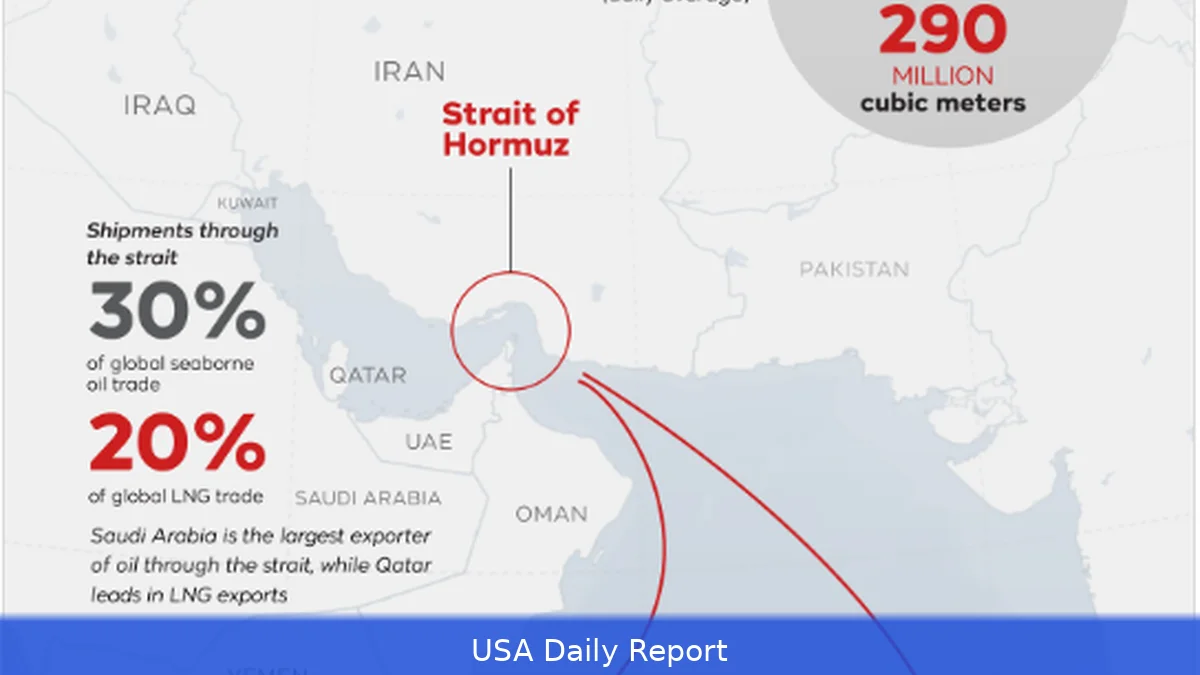
Shipments through the Strait of Hormuz have stalled. India’s fertilizer supplies are under mounting pressure.
Supply lines snapped at a key chokepoint
Look, the Strait of Hormuz matters for global shipping. It's one of the world's busiest waterways for oil and other cargo moving out of the Persian Gulf, and when traffic there grinds to a halt, anything that travels by sea feels it fast. Since the outbreak of the Iran war, commercial flows through that corridor have been disrupted, and fertilizer consignments bound for India are among the freight caught in the stoppage.
That disruption has translated into piling uncertainty for India's farm sector. Freight delays, rerouted voyages and higher insurance and fuel costs for ships have made getting basic crop nutrients harder and more expensive. Indian wholesalers and distributors are reporting delayed arrivals and thinning inventories, creating a chain reaction that quickly reaches village-level retail shops and farmers' fields.
Authorities in India are scrambling to manage the shortfall while traders hunt for alternative suppliers and shipping routes. Some consignments that once crossed the Arabian Sea are now taking longer, pricier detours around Africa or waiting on the sidelines while insurers and charterers reassess risk — and those extra days and dollars add up.
Farmers already feeling the pinch
Planting calendars don't wait. Point is, when fertilizer doesn't arrive on time, sowing schedules get pushed, application rates fall and yields can shrink. Farmers in several growing regions have reported they either are rationing fertilizer or skipping an application altogether.
That choice is rarely a good one: crop yields often rely on precisely timed nutrient inputs.
Smaller growers are especially exposed. They tend to buy in smaller lots and lack the cash reserves large operations hold. When local retailers run low, smallholders may delay purchases until prices settle or credit becomes available. That raises the odds of uneven fertilizer use across fields and farms — with real consequences for output.
Domestic politics are already feeling the strain. Local authorities face pressure to keep prices stable and supplies flowing ahead of a busy planting season. If fertilizer remains scarce or expensive, officials may have to deploy emergency measures such as targeted allocations, import waivers, or temporary price controls — all moves that carry economic and fiscal costs.
Markets, prices and the chain reaction
Global fertilizer markets were already tight before the current crisis. With shipments stalled at the Strait of Hormuz, buyers have steadily bid up available cargoes and maritime costs. That pushes up wholesale fertilizer prices, which then filter down to the farm gate. The end result: higher input costs for growers and higher food costs for consumers.
Higher fertilizer bills squeeze farmer margins and can prompt cutbacks in future planting decisions. That matters beyond India's borders: India is one of the world's biggest agricultural producers and a major supplier of certain commodities. If its output slides, global commodity markets could see tighter supplies and more volatile prices.
Onshore industries that depend on steady agricultural output — food processors, exporters and retailers — feel the ripple. Export revenues could suffer. Rural incomes could stagnate. Municipal and national fiscal plans that assume steady harvests and export income may require adjustment.
Why the U.S. Should care
First, America's consumers have a stake in stable global food markets. If fertilizer shortages erode production in a major producer like India, exporters shift supplies and prices can rise in commodity markets that feed into U.S. Grocery bills. Higher global grain and oilseed prices typically filter through to U.S. Markets over time.
Second, shipping disruptions around the Persian Gulf and the Arabian Sea affect global trade costs, including energy prices. Energy and freight expense increases push overall inflation up, which matters to U.S. Economic policymakers and consumers alike. Even if U.S. Supply chains remain functioning, imported inflation can show up in the shopping cart.
Third, the crisis has geopolitical consequences. The U.S. Has strategic interests in keeping key maritime lanes open and protecting global trade. A prolonged disruption that forces more ships to take longer, riskier routes raises insurance premiums and operational costs for international shipping firms — costs ultimately borne by buyers and consumers everywhere.
Policy choices and economic levers
Indian policymakers have a narrow set of immediate tools. They can increase imports from alternative suppliers where cargoes are available, loosen rules to speed customs clearance, or release state-held fertilizer stocks into the market. Each option has trade-offs: rapid imports could strain the foreign exchange balance, and selling stocks can shrink buffers for future shocks.
Subsidy policy will come under scrutiny. The Indian government has long used subsidies and distribution systems to keep fertilizer affordable for farmers. In the short run, expanding subsidies can blunt the price shock. But the fiscal cost could be large if prices stay high for months, creating pressure on budgets already balancing other priorities.
Internationally, countries that export fertilizer or host major production facilities may face pressure to stabilize exports if shortages spread. That could prompt export controls or preferential contracts — moves that can help domestic consumers but tighten global availability further.
What farmers and traders are doing now
Traders are hunting for cargoes from non-traditional suppliers and considering longer sea routes. Some are trying to shift shipments to overland corridors where doable, and others are turning to domestic production where plants can increase output quickly. But such shifts take time, and scale matters — domestic plants often can't make up for large import shortfalls overnight.
Farmers are making hard calls soon. Many are scaling back fertilizer use, prioritizing the most valuable crops or the most productive land.
That tactical response cuts costs now but may leave lower yields at harvest. Cooperatives and local officials are trying to coordinate purchases and share supplies, but logistics at the village level are complicated.
Right now, credit availability is a limiting factor. Farmers that can borrow to weather higher input costs will fare better than those who can't. The result could be widening disparities between well-capitalized farms and marginal producers.
Longer-term questions
Frankly, the current squeeze spotlights structural vulnerabilities in how fertilizer moves around the globe. Reliance on concentrated production zones and single chokepoints leaves buyers exposed. Some countries may accelerate plans to diversify suppliers, expand domestic production, or build strategic stockpiles. Those are big investments and won't fix the current growing season, but they'll shape markets in months and years to come.
Private industry may also respond — shipping firms, insurers and traders will reprice risk and adjust routes. That could raise costs across the board for a time, while also spurring innovations in storage and logistics to reduce future vulnerability.
Still, the immediate issue is practical: farmers need fertilizer, planting windows are finite, and delayed inputs translate to smaller harvests and tighter markets. For India, a country with a vast farming population and high food demand, the pressure is acute.
Related Articles
- IEA Says Half of Closed Gulf Oil Fields Could Restart Within Weeks
- Airlines Urge EU to Shield Flights as Strait of Hormuz Disruption Pushes Jet Fuel to Crisis Levels
- Asia Markets Start Recovering as Tensions Between U.S. and Iran Ease
Shipments through the Strait of Hormuz remain stalled after the Iran war began, deepening fertilizer shortages across India.


