
YouTube suspended a pro‑Iran animation channel this week. Tehran sharply criticized the move. Iran says the takedown is meant to silence alternative accounts of the war.
What happened
YouTube removed the channel of Explosive Media after the group posted an animated clip that mocked U.S. President Donald Trump and declared, "IRAN WON," following a two‑week ceasefire agreement announced on April 7. Explosive Media said on X that the platform suspended its account for "violent content," even though the group’s other social accounts remained active.
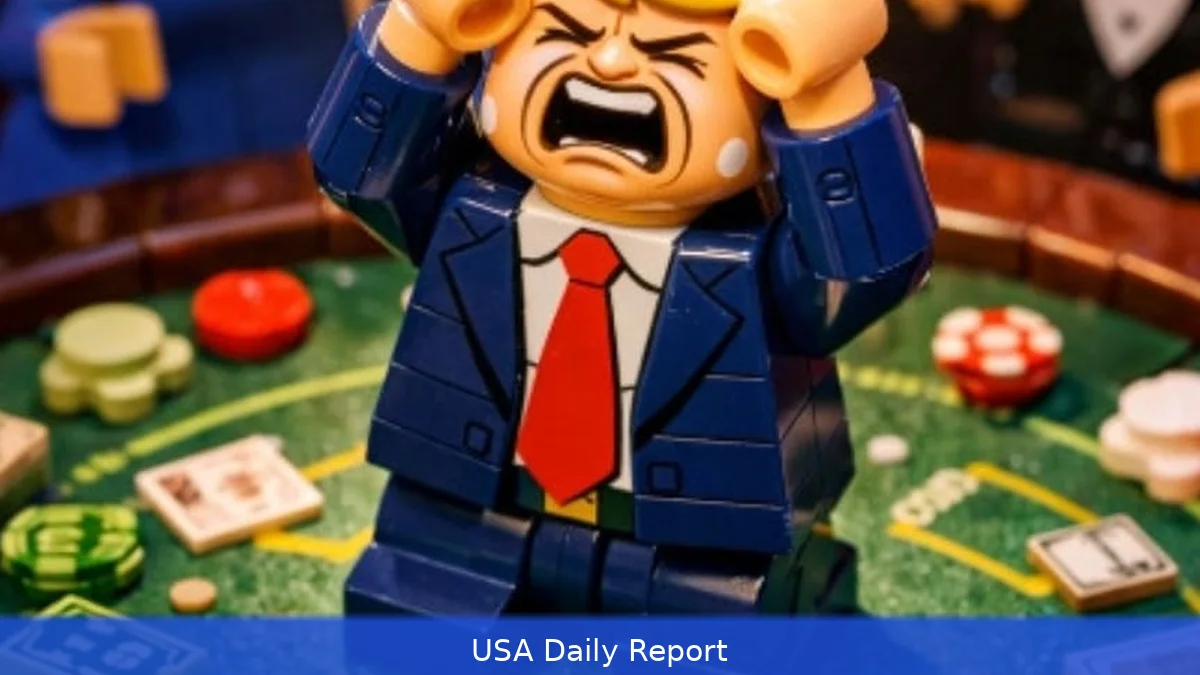
The visuals are crude and clearly satirical; the creators use Lego-style animation to mock American political figures and foreign policy. But the channel had drawn a large audience: the group’s videos have amassed millions of views during the recent conflict, according to posts by the creators and remarks from Iranian officials.
Esmaeil Baghaei, spokesman for Iran’s Ministry of Foreign Affairs, slammed the suspension on X, saying the move was intended to "suppress the truth about their 'illegal war' on Iran" and to protect what he called the U.S. Administration’s "false narrative." In his post, Baghaei questioned why an independent animated channel would be removed in a country that hosts major animation studios such as Pixar, DreamWorks Animation and The Walt Disney Company.
The clip that preceded the suspension ridiculed Mr. Trump, portraying him as isolated and prone to tantrums. One accompanying post read: "TACO will always remain TACO," using the acronym "Trump always chickens out." Another clip showed a caricature of Trump with an oversized yellow head and a flaming backside holding a placard that read: "VICTORY! I am a loser."
Who is Explosive Media
Explosive Media identifies itself as an independent collective of pro‑Iran creators. The group’s style mixes Western pop‑culture references with pointed political satire. But outlets and analysts have widely suspected it of ties to Iranian state actors — a detail that the group and Iranian officials haven't denied in their public comments.
The channel mixes humor and propaganda, which has grabbed a lot of attention online. Posts tied to the group repeatedly picked up millions of views, and their short, shareable videos spread across X and other platforms. That reach is part of what Tehran and the group point to when they claim the removal is political.
Why Tehran is making a fuss
Baghaei's reaction framed the suspension as more than a content moderation decision; he said it was an attempt to mute competing narratives about the conflict. "Simply to suppress the truth about their 'illegal war' on Iran and shield the American administration's false narrative from any competing voice," he wrote on X.
Right now, Tehran is very sensitive about information flows. The recent ceasefire and the lead‑up to it drew intense international attention, and social media has played a central role in shaping public perceptions of who 'won' or 'lost' in the exchanges.

For Iranian officials, a widely shared video that declares victory and ridicules a U.S. Leader has symbolic value beyond its entertainment factor.
This controversy also highlights a tough issue for U.S. platforms: deciding where to draw the line between political satire, state-linked influence, and violent or inciting content. YouTube's enforcement action makes people wonder about consistency in moderation across languages and regions — questions that tech firms have faced repeatedly this decade.
Implications for U.S. Politics and public debate
The suspended clip targeted the American president directly, so the takedown carries implications for domestic discourse in the United States. Videos that lampoon U.S. Leaders and foreign policy reach American viewers as well as international audiences, and they can feed into partisan narratives about how platforms handle speech critical of the U.S. Government.
Explosive Media’s posts leaned heavily into American cultural touchstones and political divides, a tactic that makes the content more likely to circulate inside the U.S. And among diasporic communities. That matters because content moderation decisions that affect politically charged material — especially when a channel claims millions of views — tend to spark debates about censorship, foreign propaganda and the responsibilities of platform companies to police influence operations.
This dispute goes beyond just Tehran and YouTube. It's also playing out among U.S. Lawmakers, civil liberties advocates and platform operators who disagree about how to balance free expression and safety in a global, algorithm‑driven ecosystem.
Possible economic and platform consequences
For Explosive Media, losing YouTube distribution potentially reduces the group's reach and any revenue streams tied to viewership on that platform. The channel's audience size was a central part of how the group marketed itself; without access to the world's largest video site, the group may find it harder to secure broad amplification.
For YouTube, decisions like this involve balancing moderation rules with geopolitical risks. Platforms have to enforce their rules consistently but also avoid seeming biased toward certain countries or political groups. That's a delicate calculation for a company whose ad business and global reach depend on maintaining advertiser trust and government relationships.
Advertisers and content partners watch these disputes because they can affect brand safety and the perceived neutrality of platforms. If enforcement is seen as arbitrary or politically motivated, it can spur advertiser pullback or calls from regulators to change how moderation is carried out — outcomes that carry financial and operational costs for tech companies.
Regional context and the wider online battle
The removal comes amid an active, cross‑platform battle over narratives tied to the conflict involving Iran, the United States and Israel. Both state‑linked and independent actors have used short videos, memes and animations to shape how audiences interpret events on the ground.
Those digital campaigns are part of a broader strategy in modern conflicts: win hearts and minds online. Explosive Media's use of Western pop culture and satire is an example of how creators try to make messaging more shareable across borders. For governments and platforms, that raises hard questions about attribution, intent and the right way to respond when content blurs the line between satire and influence operations.
For American audiences, the episode is also a reminder that foreign narratives aren't confined to official statements or diplomatic channels — they're circulating in the same feeds where people get news, entertainment and political commentary.
Related Articles
- Investors Shrug at Fragile Iran Ceasefire as Stocks Bounce Between Hope and Risk
- Lebanon Wants Peace — But Hezbollah Answers to Tehran, Analyst Says
Esmaeil Baghaei, spokesman for Iran’s Ministry of Foreign Affairs, wrote on X that the suspension was done "Simply to suppress the truth about their 'illegal war' on Iran and shield the American administration's false narrative from any competing voice."
This article was created with AI assistance.


