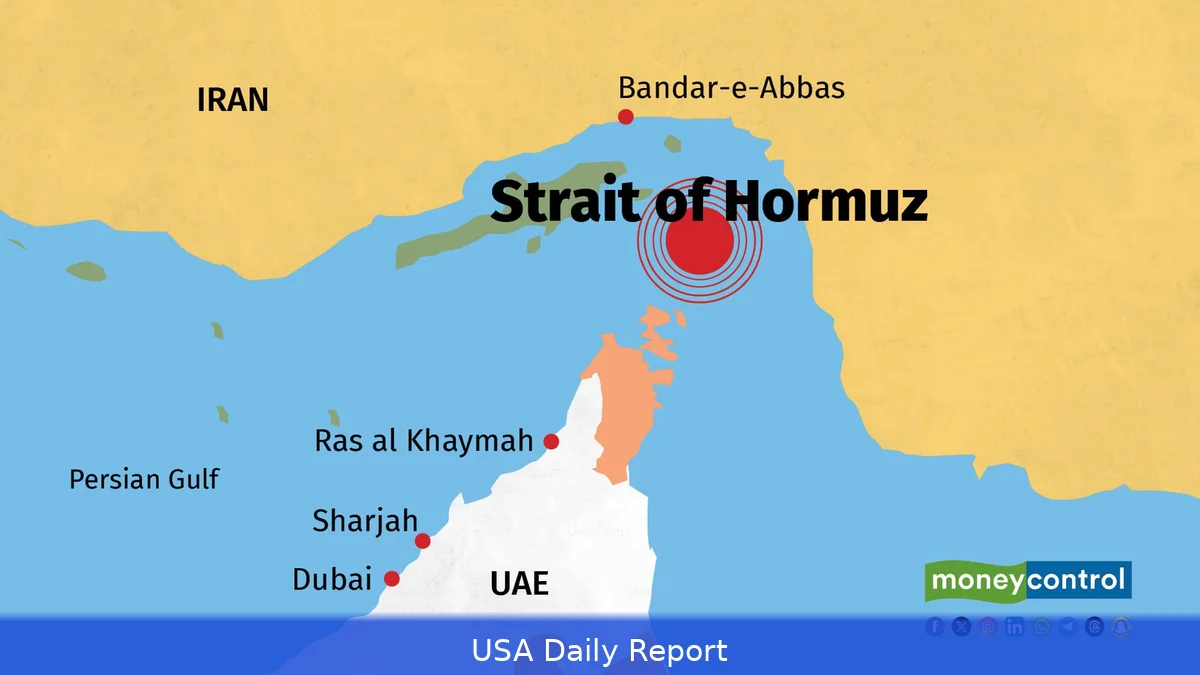
Oil prices surged after Iran threatened to close the Strait of Hormuz, a critical chokepoint for global energy supplies. Yet, markets have shrugged off the geopolitical risks, pushing stocks higher even as concerns mount about potential disruptions and economic fallout.
Strait of Hormuz: The World's Energy Lifeline
The Strait of Hormuz isn’t just any waterway. About 20% of the world’s oil shipments pass through this narrow channel every day. Whenever this passage is threatened, it shakes up global energy markets — and recently, those effects have been even stronger.
Iran’s recent threats to close the strait have sparked alarm. The country has long been a source of regional tension, and its warning to block this critical route is a move that could choke off a major artery for petroleum exports. That would push oil prices even higher than their current levels, which have already jumped amid the growing conflict.
Last week, the effects started to hit home in places like Hawaii. The island state relies heavily on imported fuels, and the spike in oil prices is translating directly into higher costs for residents. Hawaiian Electric warned that electricity bills could jump by 20% to 30% over the next few months. Gas stations across the islands are flashing increased prices, and jet fuel costs are climbing, threatening to push airfare prices up and possibly dampen tourism — Hawaii’s economic backbone.
Market Euphoria Amid Rising Risks
Sure, still, despite these warning signs, U.S. Equity markets have been celebrating. Stocks have climbed steadily, driven by strong corporate earnings and positive economic data. Investors seem confident that diplomatic solutions will prevent any serious disruption to oil flows, or that the U.S.
Military presence will keep the strait open.
That optimism isn’t without reason. The Trump administration has so far avoided deploying ground troops in the region, even as tensions between Washington and Tehran escalate. The hope is that economic sanctions and diplomatic pressure, rather than military conflict, will resolve the crisis.
Thing is, but the situation remains volatile. Over the weekend, two U.S. Fighter jets were shot down near Iranian territory, and their crews had to bail out. One pilot was missing behind enemy lines for over a day before being rescued. These events spiked fears of an accidental war breaking out — fears that were briefly soothed by the successful rescue operation and President Trump’s public celebration of the mission.
Risk of Escalation and Economic Fallout
Hang on though — the mood quickly darkened. On Easter Sunday, President Trump issued a blunt and profane ultimatum demanding that Iran reopen the Strait of Hormuz or face devastating U.S. Attacks on the country's infrastructure. He set a specific deadline and threatened to obliterate Iran’s power plants and bridges.
Threatening civilian infrastructure could cross legal lines, since it might count as a war crime under international law. The president also mocked Iran’s religious beliefs in his message, provoking widespread condemnation, including from some Republicans who see the rhetoric as reckless and damaging to U.S. Credibility.
Those threats pushed markets to reLook at the risks. Oil prices climbed further on fears that Iran could follow through. The cost of shipping goods, already strained by higher fuel prices, could skyrocket. That, in turn, would feed through to consumer prices across the U.S., adding inflationary pressure just as the Federal Reserve is trying to tame rising costs.
Economic Strain on American Households
Look, the financial pain isn't confined to faraway conflicts. Americans are already feeling the pinch at the pump. Higher gasoline prices hit budgets hard, especially for lower-income families who spend a bigger chunk of their income on fuel and energy. The ripple effects reach grocery stores, shipping ports, and manufacturers reliant on affordable fuel to keep costs down.
When energy prices spike, economic growth often slows down. When consumers spend more on essentials like fuel and electricity, they have less to spend on other goods and services. That slows demand, drags on corporate profits, and risks tipping the economy toward recession.
In Hawaii, where energy costs were already high, the latest price jumps are an extra burden. Airlines and tourism companies face higher operating costs, which could reduce visitor numbers. That threatens jobs and incomes in a state still recovering from the pandemic's impact on travel.
Nationally, the military’s role in the region also weighs on the economy. Deploying personnel and resources costs billions and risks drawing the U.S.
Deeper into conflict. The presence of troops in the Pacific is critical for regional security, but the risk of escalation adds uncertainty for markets and policymakers alike.
Related Articles
- Why Keeping the Strait of Hormuz Open Matters for US Trade and Energy Security
- Gunfire and Chaos in Gaza’s Maghazi Camp: Civilians Caught in Crossfire Amid Armed Clashes
- US-Iran Ceasefire Sends Oil Prices Tumbling, But Fuel Costs for Americans May Not Drop Soon
Right now, markets are still rallying even though tensions at the Strait of Hormuz are rising. But the risk is clear: if Iran acts on its threats or if military clashes escalate, the economic fallout could be severe — and the markets may not keep dancing. Investors and policymakers are watching closely, hoping for diplomacy to cool the crisis before it flares into something far worse.


