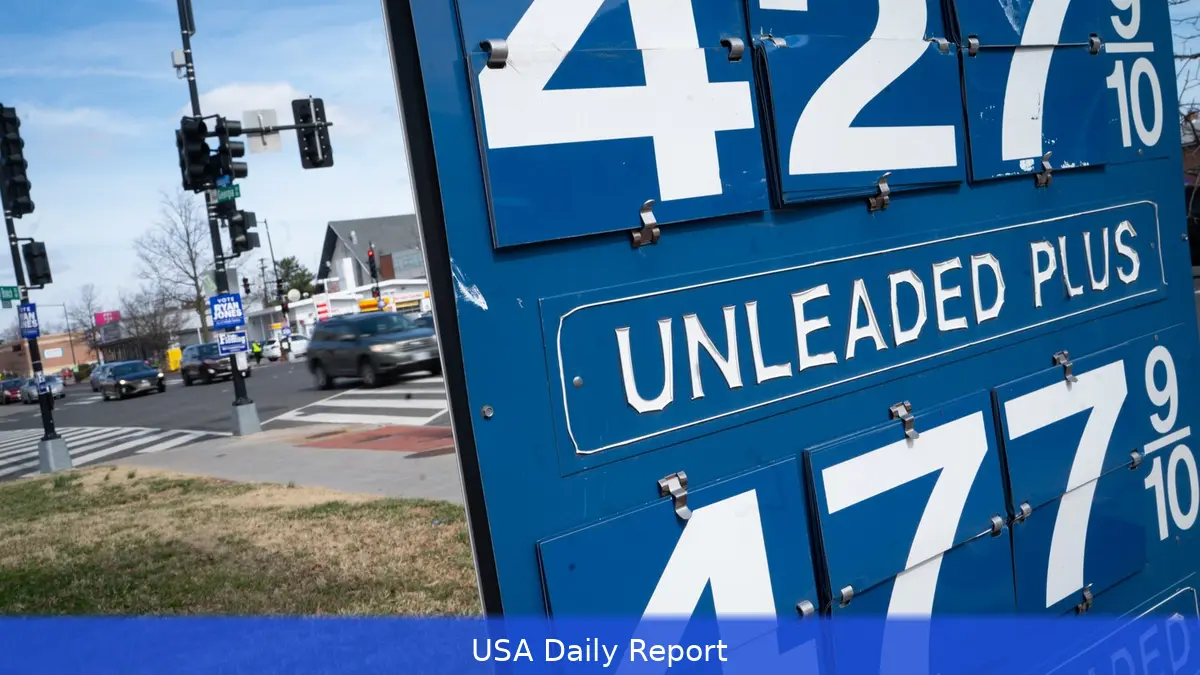
Gasoline prices in the United States have jumped more than 30% since the onset of the recent conflict involving the U.S. And Israel in the Middle East. The national average price now exceeds $4 per gallon, marking a return to levels not seen in over a decade and putting fresh pressure on consumers already grappling with inflation and economic uncertainty.
Conflict in the Middle East Tightens Global Oil Supply
Gas prices have gone up because tensions in the Middle East have increased, especially with military actions involving Israel and the U.S. These developments have disrupted the global oil supply chain, a key driver of fuel costs worldwide. Oil-producing nations in the region control a substantial portion of the world's crude oil exports. When conflict stirs instability there, markets react swiftly.
Since the conflict began, the U.S. Has seen gas prices climb sharply—over 30% according to AAA data. The national average price per gallon has now topped the $4 mark, a threshold that once felt like a distant memory for many Americans. This price jump means people are paying more at the pump, which is making it harder for many families to manage their budgets.
Look, state-level variations reveal an even more complex picture. Some states are experiencing prices well above the national average, fueled by local taxes, distribution costs, and proximity to refineries. For instance, California, traditionally one of the most expensive states for gas, sees prices that can exceed $5 per gallon, while states in the Midwest hover closer to the $3.50 mark. These disparities reflect regional market conditions but all contribute to the broader economic pressure on consumers.
Economic Ripple Effects Across the Nation
The rise in gasoline prices has broad consequences. Transportation costs increase for both individuals and businesses, feeding into higher prices for goods and services. Industries reliant on shipping and logistics, like retail and agriculture, face rising operational costs that often trickle down to the consumer.
For families, higher fuel bills mean less disposable income for essentials like food, healthcare, and housing.
People are already changing how they use gas. Many are traveling less for fun or looking for cars that use less fuel. Public transit systems and electric vehicle sales have seen upticks in interest, but the transition takes time and infrastructure investment. Meanwhile, the immediate pain at the pump remains acute.
Inflation has been high for a while, and rising gas prices are making it even tougher. The Federal Reserve faces a tough balancing act: raising interest rates to cool inflation without triggering a recession. Gas prices play a key role in this delicate economic dance, influencing both inflation readings and consumer confidence.
Political Implications and Policy Responses
Lawmakers are now focusing a lot on energy security. The Biden administration has responded with measures aimed at increasing domestic fuel supply, including releasing crude oil from the Strategic Petroleum Reserve and encouraging increased production. However, such actions have limits and can't fully offset global supply disruptions tied to geopolitical events.
Talks about using different energy sources and speeding up renewable energy have become more urgent. Lawmakers from both parties debate Balancing short-term relief for consumers and long-term energy independence. The challenge lies in addressing immediate economic pain while steering the country toward sustainable solutions.
At the state level, some governments have introduced temporary gas tax holidays to ease the burden on drivers. These efforts vary in scope and effectiveness but highlight the political pressure to act swiftly amid rising fuel costs. Meanwhile, international relations remain tense, underscoring the fragile nature of the global oil market.
Looking Ahead: Uncertainty and Adaptation
Since the conflict in the Middle East is still happening, it's hard to say how long gas prices will stay high. Market analysts warn that any further escalation could tighten supplies even more, pushing prices higher. Conversely, diplomatic efforts or shifts in production by major oil exporters could ease the pressure.
For American consumers, the reality is clear: fuel costs are a big and immediate challenge. The situation exposes vulnerabilities in reliance on global oil markets and amplifies calls for energy diversification. How quickly the U.S. Adapts to these pressures will shape economic conditions in the months and years ahead.
Meanwhile, NBC News continues to track gas prices across states, providing up-to-date information as the situation evolves. For now, drivers nationwide face a harsh reminder of how global conflicts can reach their local gas stations, affecting everyday life and the economy in profound ways.
Related Articles
- Iran and US Halt Hostilities Amid Ceasefire Claims: What’s Really at Stake?
- US-Iran Ceasefire Sends Oil Prices Tumbling, But Fuel Costs for Americans May Not Drop Soon
- Conflict with Iran Threatens Global Food Supply Chain Amid Rising Costs
Gas prices remain at a decade-high average, testing American wallets and shaping economic and political debates. With uncertainty over the Middle East conflict's trajectory, the U.S. Faces tough choices on energy policy and economic stability.


