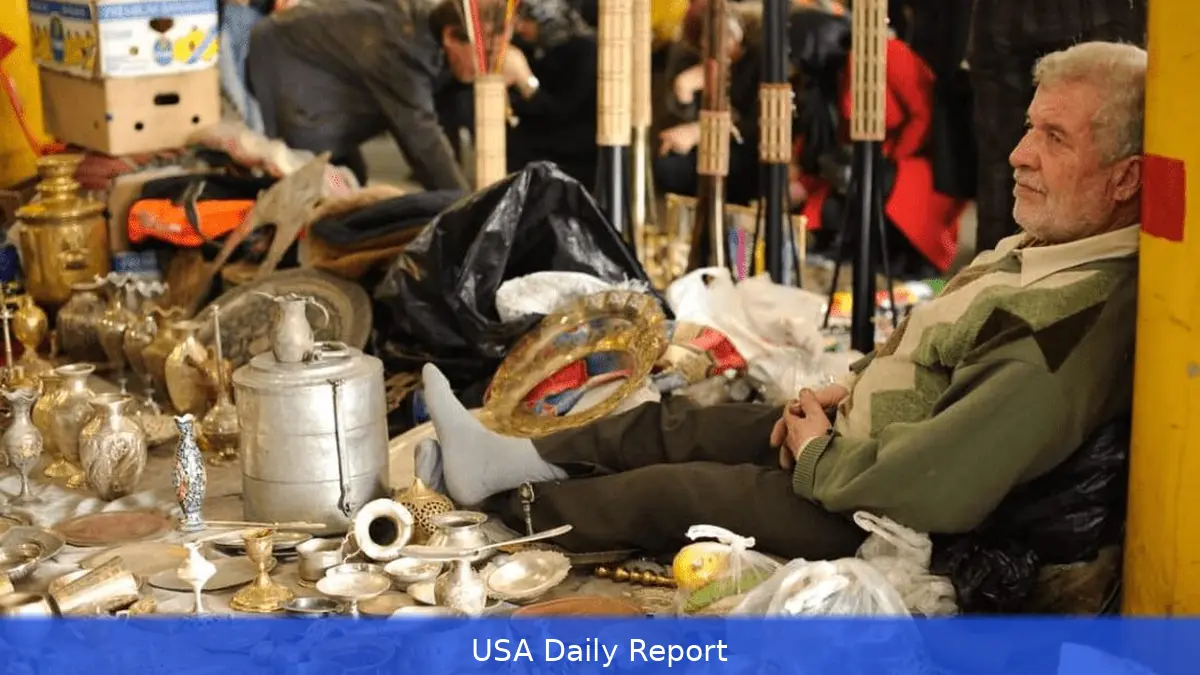
Tehran’s Grand Bazaar reopened wider this week. More stalls and longer hours returned — but cash registers stayed quiet.
Shops open, sales remain thin
After a pause in fighting announced overnight into Wednesday, more people in Tehran have gone back to work. The city’s Grand Bazaar — a maze of workshops, corridors and warehouses that drives much local commerce — showed a visible uptick in activity on Saturday, the first workday after the truce. Still, merchants say foot traffic and purchases haven't bounced back to pre-war levels.
A vendor who works in the section selling metal goods and light industrial items told reporters that business felt almost stagnant and that online orders had collapsed. He said wholesalers sent new price lists showing a 20 to 30 percent rise in costs compared with late January. Those January figures were already higher than prices earlier in the year, he added, reflecting inflation pressures that predated the latest fighting.
The scene now feels different compared to the silence during the worst days of bombardment. But customers are cautious. People who might otherwise buy are watching prices and weighing risks, merchants said.
Internet shutdowns deepen economic pain
One of the sharpest blows to ordinary Iranians has been repeated restrictions on internet access. The Islamic Republic has imposed a near-total internet blackout since the start of the war on February 28, building on earlier blocks introduced during weeks of nationwide protests.
That earlier period included a state-ordered 20-day near-total internet blackout when the protests peaked.
Online sellers and service providers report income streams have dried up. A Tehran-based online English teacher said she can no longer reach her foreign students because the government-enforced intranet only allows people connecting through Iranian internet protocols to access local platforms. She described the local platforms as rudimentary and insecure — lacking the encryption and global reach of tools such as Google Meet.
And sellers in the bazaar said their websites are effectively invisible to customers outside Iran, because local search tools and intranet services don't direct users the way global search engines do. For many businesses, the internet serves as both a marketplace and a lifeline, but that lifeline has been severed.
Prices, protests and a fragile recovery
Traders point to multiple pressures pushing consumer costs higher. Rampant inflation had already pushed prices up before the latest clashes. The vendor in the metal goods section described price lists that rose 20 to 30 percent since late January. He framed that jump as part of a longer climb, tied to the inflationary shock caused by weeks of nationwide unrest earlier in the year.
The protests, which the reporting says resulted in thousands of deaths, rattled supply chains and consumer confidence. Banks of days with little or no internet made it hard for wholesalers and retailers to coordinate shipments, set prices or reach customers. Basic planning became guesswork when communications were unreliable.
Even with the ceasefire offering a brief break from bombardment by the United States and Israel, most Iranians still face a bleak economic outlook. Shops can open. Work can resume. But higher wholesale costs, lost customers and ongoing restrictions on cross-border trade and communications mean many households are still struggling.
Political fallout and what it means abroad
The halt in direct strikes has eased pressure on the government dealing with unrest on the streets. But the pause doesn't erase the deeper stresses feeding Iran’s economic pain. The authorities in Tehran face expectations they will restore essential services and relieve costs for everyday people. President Masoud Pezeshkian’s government had signaled it would address draconian internet restrictions, but the reporting shows online commerce and teaching remain severely constrained.
At the same time, commentary in Tehran has zeroed in on the rhetoric from Washington. The report cites apocalyptic language from President Donald Trump that raised fears among Iranians about attacks on infrastructure such as power plants. That fear, actual or perceived, helps explain why some residents are reluctant to resume normal life even after the ceasefire.
The impact on the United States is mostly indirect, yet it remains important. U.S. Policy and rhetoric have helped shape the environment in which commerce, humanitarian aid and private transfers operate. When official threats and strikes affect infrastructure and connectivity, private businesses and relief operations face higher costs and more logistical hurdles. And for Americans with professional or personal ties to Iran — teachers, traders, relatives — the restrictions on global internet services sever practical channels for work and contact.
Who’s hurt most
Small vendors, contract workers, and digital service providers are among those hit hardest. Street-level traders in the Grand Bazaar see stock prices jump and customers disappear. Online tutors have lost foreign pupils. And wholesalers face uncertainty about when and at what price they can import goods in the future. The vendor in the metal section warned that it's unclear when or how imports might resume.
Rural and lower-income urban households are likely feeling the squeeze the hardest because they have narrower safety nets. But the reporting focused on Tehran’s bazaars, so the full reach of economic pain across Iran wasn't mapped in detail. Still, the signals are plain: rising prices, disrupted trade and limited internet access combine to reduce earning options and strangle recovery paths for many families.
Short respite, long repair
Since the ceasefire, more businesses have reopened and some people have returned to work. Yet the gains so far are fragile. A merchant’s observation that online sales have dropped to nearly zero shows that reopening doors isn't the same as restoring markets. Inventory, supply chains and cross-border customer networks have frayed, and rebuilding them will take time.
Frankly, the pause in violence gives authorities and commercial actors only a narrow window to shore up essentials: restore reliable communications, stabilize prices and reassure suppliers. If those steps don't happen, the temporary calm may fade into renewed hardship.
What people on the ground say
Honestly, merchants described longer opening hours and more shops operating. They also described customers who are avoiding nonessential purchases. A young woman who depended on international students for income said the switch to local platforms has left her without clients abroad. Vendors said wholesalers’ new price lists show steep increases over recent months.
These accounts paint a picture of a society trying to restart while still coping with higher costs and fewer ways to reach buyers. The bazaar hums again, but the cash tills don't.
Related Articles
- Drone strikes hit Odesa ahead of Orthodox Easter ceasefire; 175 prisoners returned in swap
- Israel Rejects Hezbollah Ceasefire Demand Ahead of Washington Talks with Lebanon
- Nearly 400 convicted in Abuja over links to Boko Haram and ISWAP
The Islamic Republic has imposed a near-total internet shutdown since the start of the war on February 28.


