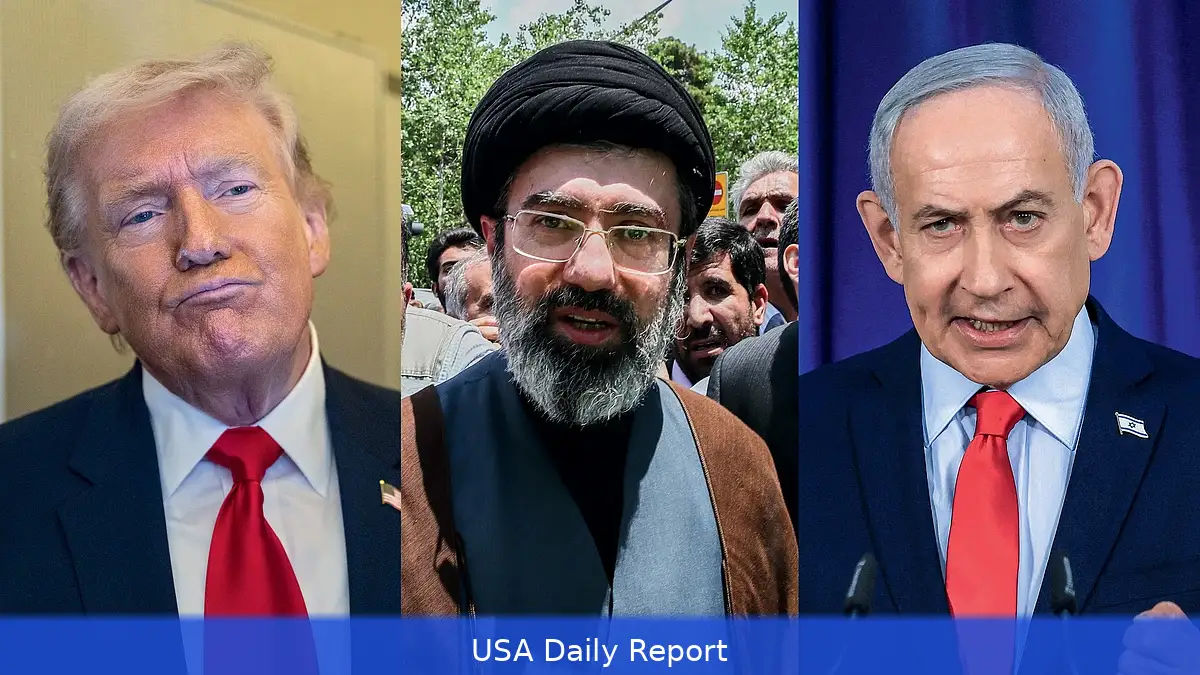
Oil prices tumbled and stock markets soared after the U.S. And Iran agreed to a two-week ceasefire, signaling a brief pause in escalating conflict that had rattled global energy supplies and financial markets. But questions remain about the durability of this truce and its impact beyond Wall Street.
Markets jumped on relief, but investors remain cautious.
The Dow Jones Industrial Average jumped more than 1,000 points in early trading, with the S&P 500 and Nasdaq also posting strong gains following overnight rallies in Asia and Europe. Crude oil prices, which had surged amid fears of supply disruptions, plunged as hopes grew that the Strait of Hormuz — a vital chokepoint for nearly 20% of the world's oil — could soon reopen to shipping.
The conflict had effectively closed that waterway, causing a global energy crunch and pushing U.S. gas prices over $4 a gallon. President Trump confirmed the ceasefire on social media just before his deadline, shifting markets from panic to cautious hope.
Fragile Truce: More Pause Than Peace
But while markets calmed, the situation on the ground stayed tense. Reports of continued Israeli airstrikes targeting Hezbollah positions in Lebanon, along with attacks and counterattacks across the Gulf, cloud the ceasefire’s promise. The U.S. And Iran disagree over whether the truce covers Lebanon, with Tehran insisting that its ceasefire commitment extends there, while Washington and its ally Israel treat it as a separate issue.
Allison Minor, director of the Atlantic Council’s Project for Middle East Integration and former White House official, describes the ceasefire as "less a breakthrough than a reflection of how complex and unstable the situation remains." She notes that unresolved questions about Lebanon's role and control over the Strait of Hormuz could easily undermine the truce, potentially sparking further escalation.
Minor says Iran seems confident it can push the ceasefire terms in its favor. That confidence stems partly from Iran’s long-standing strategy of delegating authority to commanders in the field, enabling rapid responses even amid leadership disruptions, while maintaining plausible deniability for attacks.
Tensions Over Lebanon Complicate Diplomacy
The disagreement over Lebanon is a big hurdle. Iran's insistence on including Hezbollah’s activities in the ceasefire contrasts sharply with the U.S. And Israel’s approach, which sees continued strikes against Hezbollah as separate from the Iran truce. U.S. Negotiators were set to arrive in Pakistan to try bridging this gap, but prospects for success remain uncertain.
Still, the ceasefire only lasts two weeks, so fighting could resume. The conflict’s spread into Lebanon and the Gulf threatens to draw multiple regional players deeper into the confrontation, complicating peace efforts and raising the stakes for global energy security.
Economic Impact and U.S. Interests
This short pause has eased pressure on oil markets, helping lower fuel costs in the U.S. Still, the damage to oil infrastructure in the region means recovery will take time. Those repairs and the risk of further disruptions keep energy markets jittery.
Beyond economics, the ceasefire affects U.S. Strategic interests.
The Strait of Hormuz is critical not just for energy but for international trade and military operations. Any long-term Iranian control or interference there would challenge U.S. Influence in the Middle East and strain relations with allies like Israel and Gulf states.
The unclear terms of the ceasefire have sparked debate in Washington about whether to engage Iran or keep up sanctions and military pressure. President Trump’s reversal from threatening to "wipe out" Iran’s "whole civilization" to endorsing a ceasefire shows the fluidity of U.S. Policy in the region.
Looking Ahead: Uncertain Path for Peace
Investors cheered the ceasefire, but the situation remains complicated. The conflict’s deep-rooted issues, from Lebanon’s role to control over critical waterways, remain unresolved. Iran’s apparent willingness to test limits and the U.S.’s insistence on strict terms suggest that this truce might hold only as long as both sides see advantage in it — not because of genuine reconciliation.
Markets are now watching for any signs of the conflict heating up or cooling down. The region’s stability depends on diplomatic efforts succeeding quickly, or else the fragile peace could unravel, dragging global energy markets and geopolitics back into turmoil.
Related Articles
- Trump and NATO Chief Discuss Partnership Amid Ongoing Gulf Tensions
- Stocks and Bonds Slide as Oil Surges Amid Rising Middle East Tensions
- Iran Emerges Stronger After Ceasefire, Shifting Regional Power Dynamics
As the ceasefire holds tentatively, the world watches how U.S. Diplomacy navigates the sharp divides over Lebanon and control of the Strait of Hormuz — critical factors that will determine whether this pause leads to lasting calm or sparks a fresh cycle of conflict.


