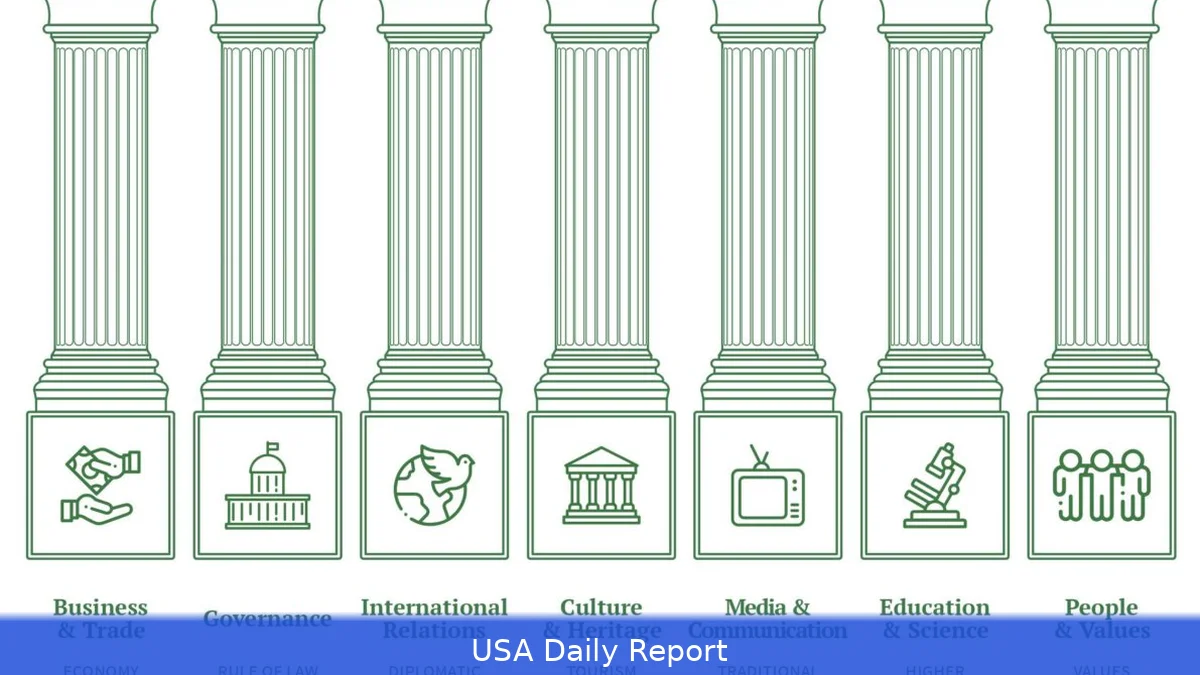
In Washington, 'soft power' has become a buzzword, especially as debates heat up over America’s role on the global stage. But what exactly is soft power, and why is it suddenly so central to discussions about U.S. Foreign policy?
Understanding Soft Power: Beyond Military Might
Soft power, a term coined by political scientist Joseph Nye in the early 1990s, refers to a country’s ability to influence others through attraction and persuasion rather than coercion or force. It’s about winning hearts and minds rather than winning battles. Unlike hard power—which relies on military strength or economic sanctions—soft power involves cultural influence, diplomacy, foreign aid, and participation in international organizations.
“Soft power is basically making people like you because they like you,” says Samuel Brazys, a scholar of international development at University College Dublin. That means shaping global opinions and alliances by promoting values, culture, and policies that other nations find appealing. It’s a subtle but effective way to secure preferred outcomes on the world stage.
Trump Administration’s Shift: From Soft to Hard Power
Thing is, since Donald Trump took office, the U.S. Has shifted its foreign policy focus toward hard power and economic leverage, pulling back from international aid and multilateral institutions. That’s drawn sharp criticism from politicians across the spectrum. Senator Dick Durbin, a Democrat from Illinois, condemned the administration’s cuts to foreign aid as reckless, warning that they weaken America’s soft power and leave strategic openings for rivals like China.
Even Senator Lindsey Graham, a Republican and Trump ally, has voiced support for soft power, highlighting bipartisan recognition of its importance. Yet the administration’s actions tell a different story. The U.S.
Has reduced funding for programs designed to build goodwill abroad and stepped away from global efforts on climate change and health initiatives.
David Haigh, CEO of Brand Finance, which produces an annual global soft power index, noted a measurable decline in America’s soft power over the past year. The index surveys 175,000 people worldwide about perceptions of countries’ friendliness and cooperation. "The current administration is rebalancing its foreign policy much more toward hard power and economic power and away from soft power," Haigh said. He added that impatience for quick results likely plays a role, since soft power requires time and sustained effort.
Why Soft Power Still Matters
Soft power matters for more than just diplomacy. It builds long-term alliances and influences global norms that support U.S. interests. When countries admire American culture, education, and democratic ideals, they’re more likely to cooperate on security, trade, and environmental issues.
Take China, for example. Over the past 15 years, Beijing has aggressively expanded its soft power footprint, promoting its culture and political model in developing countries. Samuel Brazys points to a vivid example from Micronesia, where the Chinese embassy sponsored an acrobat troupe to perform at a local college. These cultural exchanges help China gain influence in regions where American presence is limited.
China’s approach aims to contest global norms and win allies without guns or dollars, challenging Western dominance. The U.S. Response has been uneven, partly due to shifting priorities under the current administration. Pulling back from global leadership risks ceding influence to competitors who use soft power strategically.
The Economic and Political Stakes
Cutting foreign aid and disengaging from multilateral efforts may save money upfront but could cost the U.S. Much more in the long run. Soft power can prevent conflicts by fostering understanding and cooperation. It also opens markets and creates opportunities for American businesses by building trust and partnerships abroad.
Politically, soft power strengthens America’s image as a global leader that stands for shared values. Without it, the U.S. Risks isolation and diminished leverage in international negotiations. Allies might question America’s reliability, while adversaries exploit the gap.
Data so far shows the U.S. is losing ground in how the world sees it. This might mean fewer allies ready to back American initiatives or stand with the U.S. in tough times. The drop in soft power warns that America’s influence is changing, which could affect global order and national security.
Related Articles
- Trump and NATO Chief Discuss Partnership Amid Ongoing Gulf Tensions
- Husband Detained in Bahamas After American Woman's Mysterious Disappearance at Sea
- Mexican Miner Rescued After Nearly Two Weeks Trapped Underground in Flooded Tunnel
With soft power fading in U.S. foreign policy, the big question is whether America can regain its global appeal before rivals take over.


