
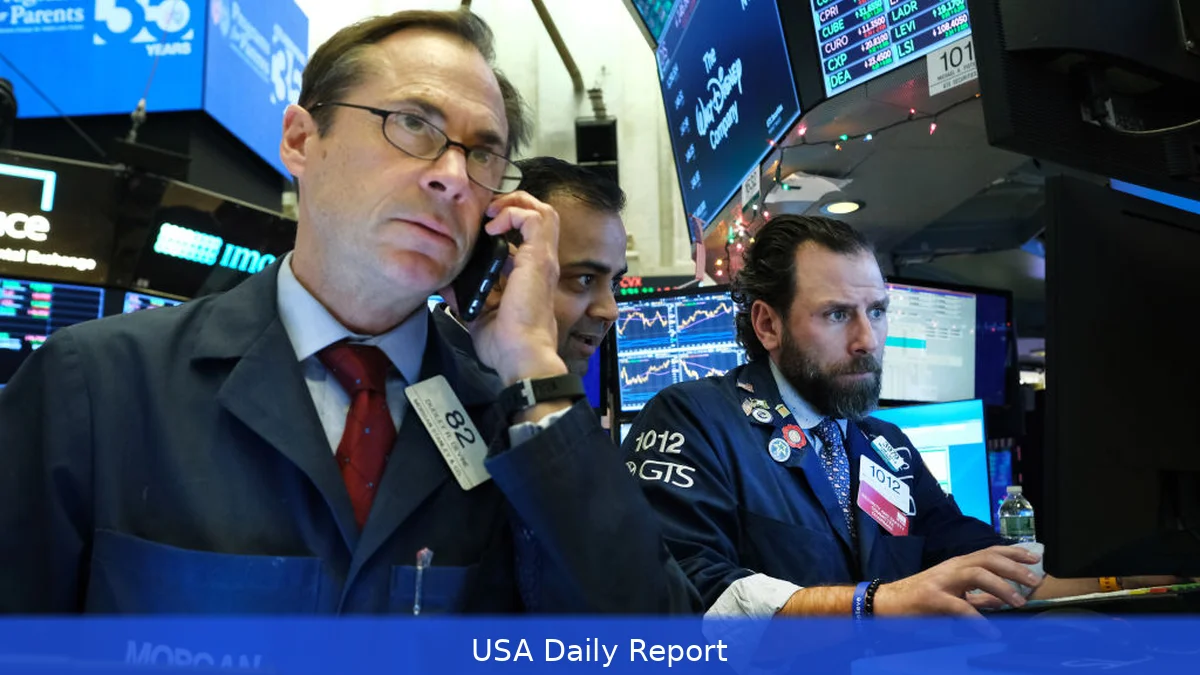
Oil-linked assets rallied as tensions around Iran cooled. Markets that initially sold off are recovering.
Early shock, then a rethink
Stocks tied to energy and risk assets plunged when the prospect of strikes on Iran rose. Look, that sell-off was fast and broad — oil spiked, and investors dumped sensitive positions almost immediately. But the shock didn't last forever; as signals of restraint emerged, traders started buying the dip.
That pattern matters because it shows how the usual geopolitical script can hurt markets on day one and help them later — if the crisis doesn't widen. John Mearsheimer, professor of political science at the University of Chicago, has argued that the traditional playbook — sanctions, support for dissent, targeted operations and threats of force — often produces an initial spike in instability before anything resembling normalcy returns. His observations help explain why markets first reacted violently, then began to price in a lower chance of a full-blown regional war.
For investors, the big question wasn't only how bad the first blow was. It was whether the shock would cascade into a full macro slowdown like what happened in other crises. MSCI's Multi-Asset Class research team studied past episodes of oil-disruption shocks and found that the duration of market pain hinges on whether the shock spreads into the broader economy. When it stays confined to energy markets and risk premia, some asset classes recover — sometimes quickly.
How the playbook hits markets
The classic approach to pressuring a state tends to follow a predictable path. Sanctions aim to squeeze government revenue. Support for opposition groups seeks to raise political costs. Military posturing is meant to intimidate.
Applied sequentially, it's supposed to give leaders a choice: change course or face escalating pressure.
Thing is, that sequence usually drives volatility before it delivers results. Sanctions and covert operations disrupt trade and investment. Markets hate uncertainty. Oil traders sell when supply looks threatened. Credit spreads widen. Stocks drop. But if the escalation stalls — if major strikes don't happen or if regional actors restrain themselves — some of those price moves unwind.
MSCI's research looked at five geopolitical shocks tied to oil-supply disruption — four in the Middle East plus the Russia-Ukraine war — to gauge how cross-asset returns reacted. Their work shows that oil sensitivity matters: some equity sectors and regions are more exposed, and fixed-income allocations react differently depending on where yields and safe-haven flows go.
Why investors are starting to see gains
When the immediate risk of a deeper conflict receded, dollar inflows that had chased safety reversed. Energy companies saw prices stabilize, and some cyclical sectors began to recover. Investors who had sat out the first wave found bargains in beaten-down names.
That rebound is the payoff part of the old playbook. The initial penalty — higher risk premia, disrupted flows, and a spike in oil — punishes portfolios. The follow-up — a negotiated pause or a decision to avoid full military escalation — allows risk assets to rebound, often sharply.

MSCI's analysis suggests the rebound depends on two things: how exposed an asset is to oil-price moves, and whether the shock infects the macro outlook. If oil stays elevated but growth expectations hold, some assets do well. If oil spikes and growth expectations plunge, the recovery is weaker or delayed.
Political signals and investor calculus
Political messaging shaped how markets priced in the risk. When leaders signal restraint, markets see a lower probability of widespread supply disruption. When rhetoric hardens, prices jump. John Mearsheimer's wider point is that geopolitical actors sometimes reach the limit of what coercive strategies can achieve — and that recognition can slow the tempo of escalation.
For U.S. Policymakers and firms, that matters. The U.S. Remains deeply exposed to global oil movements and to financial-market shifts tied to geopolitics. Companies with heavy overseas supply chains or large energy footprints watch both prices and political signalling closely. So do bond investors, who reposition when safe-haven demand rises.
Right now, investors are betting that recent moves are more contained. That's partly because regional actors and outside powers appear to have weighed the costs, and partly because markets now hope for targeted, limited actions rather than broad strikes that would threaten oil infrastructure across several countries.
Economic implications for the United States
Higher oil prices hit American consumers through pump prices and business costs. They also feed into headline inflation and into expectations about Federal Reserve policy. If sustained, a sharp rise in energy costs could force the Fed to change course, but a short-lived spike is less likely to alter policy settings materially.
MSCI's research points to a second channel: financial contagion. When geopolitical shocks morph into macro shocks, risk assets sell off and credit spreads widen. U.S. Investors holding global equities or emerging-market debt feel that immediately. But if the shock remains oil-centric, the blow is more concentrated in energy and commodity-linked sectors.
Companies in energy, transport, and manufacturing face more direct costs. Consumers dealing with higher gas bills may trim discretionary spending, pressuring certain retail categories. At the same time, U.S. Energy producers can benefit from firmer prices, which supports investment and payrolls in parts of the country where drilling and services are sizable economic drivers.
What investors are doing now
Portfolio managers are running scenarios. They examine how exposed their holdings are to oil and to a potential macro slowdown. Some hedge with energy equities or commodity futures. Others tilt toward less oil-sensitive sectors or increase cash allocations until clarity improves.
MSCI's multi-asset framework gives managers a way to test cross-asset responses under different shock durations. That helps identify which regions and sectors would likely suffer the most — and which might benefit if the escalation stops and markets calm.
One lesson many are taking to heart: timing matters. Buying too early can be costly if the crisis deepens. Buying too late leaves you with smaller gains. Balancing those risks is why some investors preferred to wait for clear political signals before re-entering markets.
Longer-term takeaways
What this episode shows is that the old geopolitical set of tools can still produce a short-term market hit and a later payoff for investors who read the signals right. But it's not automatic. The difference between a contained shock and a macro shock is critical.
Thing is — history matters. Past episodes teach investors how assets reacted. MSCI's cross-episode work is useful because it doesn't treat every crisis as unique; it maps the common threads and the key differences. That gives market participants a rough playbook for thinking about risk, exposure and timing.
Still, politics is messy. Signalling can change in days. So can market sentiment. Investors who treat this as a single bet are taking a big risk; those who build scenarios and hedges are better positioned to weather the next move.
Related Articles
MSCI's study examined cross-asset performance across five geopolitical shocks linked to oil-supply disruption — four Middle East events and the Russia-Ukraine war.
This article was created with AI assistance.


