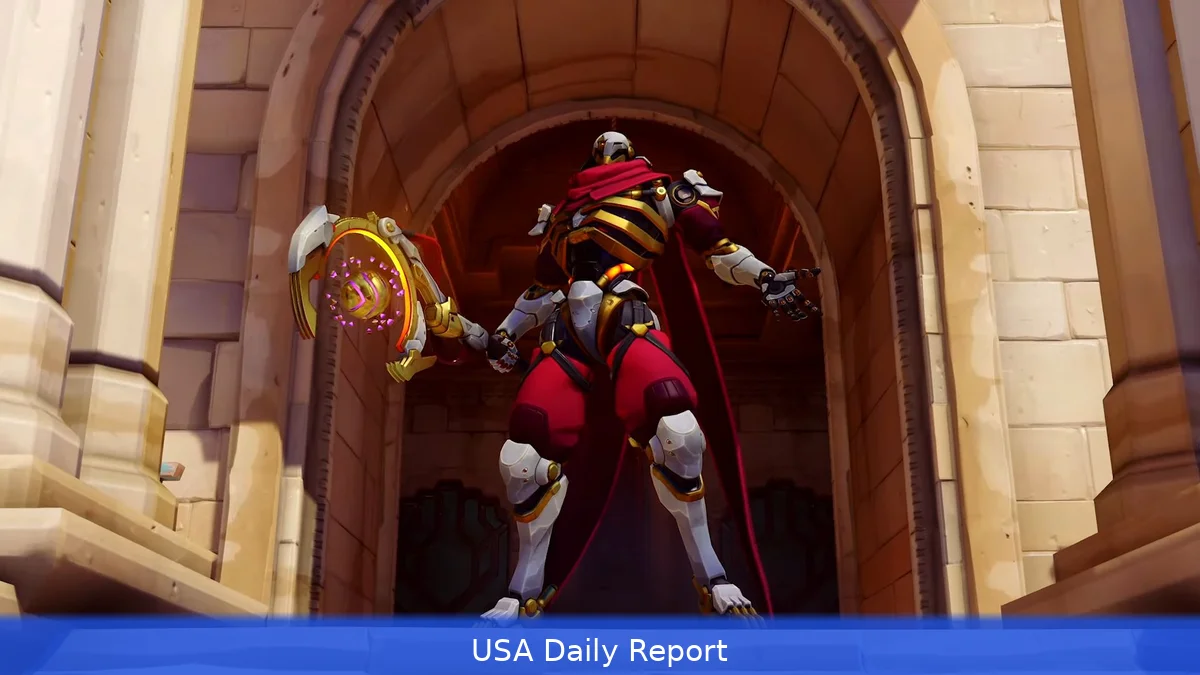
Sierra joins Overwatch as Season 2 goes live.
New hero arrives with a direct tie to Overwatch lore
Sierra, a new DPS hero, debuts in Overwatch 2 as part of Season 2’s Reign of Talon — Summit update. She's introduced as the head of security at Watchpoint: Grand Mesa, and arrives with a personal mission tied to the game's long-running story thread. Her mother, the release notes say, was the first test subject in the Soldier Enhancement Program, and Sierra has been tracking leads that point back to Jack Morrison and Gabriel Reyes.
Look, Blizzard designed Sierra to stand out. She carries a rifle and brings a combat drone called Dorothy into combat, and the developer positions her as upbeat, adaptable and relentless in pursuit of answers. The new hero is meant to connect past Overwatch events to the present season’s arc — not just as flavor, but as a playable presence who can change team compositions in competitive matches.
Her role as Head of Security at Watchpoint: Grand Mesa is both narrative and mechanical: the character's bio anchors the season’s limited-time event while her kit is designed for frontline pressure and aerial support thanks to Dorothy. The update notes focus on telling Sierra's story through gameplay, not just announcements.
Operation: Grand Mesa — earn the story
Blizzard is launching Operation: Grand Mesa, a three-week event that runs through May 4, tied directly to Sierra's arrival.
The studio says the event is structured into four distinct beats tracked with a dedicated UI so players can follow progress and unlock content as they play.
Point is, this isn't a passive cutscene drop. Players unlock lore by completing curated challenges during matches and collecting rewards along the way.
The loot list includes voice lines, an icon, a name card, a rare title, sprays, Battle Pass tier skips and loot boxes. The focus is on letting players earn the narrative while also chasing cosmetics and progression rewards.
This event mixes story and progression, making regular matches more engaging and supporting monetization. Operation: Grand Mesa is clearly aimed at re-engaging lapsed players and giving regulars reason to log in for three weeks of focused content.
Gameplay systems and map changes
Season 2 also restores Post Match Accolades, a social feature that rewards players beyond raw statistics. After Play of the Game, teammates and opponents can vote for a standout player — things like clutch saves, sportsmanship or team play — and the MVP receives a dynamic animated spotlight during the victory screen. Players can opt to join voice chat at the moment the lineup appears, turning the post-match sequence into a short communal celebration.
Post Match Accolades spotlights the little things players do that don’t show up in stats but help win games. That's a design choice meant to improve social recognition and make matches feel more personal.
Map changes include a rework of Antarctic Peninsula. Developers say the overhaul cleans up engagements, smooths team pushes and creates meaningful flank routes. The update should change common sightlines and rotate how teams contest objectives on that map. Stadium updates, new Mythic items, and a Perks mini refresh are also rolling out, along with Spring-themed cosmetic looks.
These system changes will impact competitive play. Adjusted map geometry can shift which heroes perform well. New Mythics and Perks tweaks influence loadouts and team synergies. For pro teams and high-level players, the update will prompt a fresh round of strategy testing and possible meta shifts.
What it means for players and the ecosystem
Seasonal events like Operation: Grand Mesa have several goals. They deliver fresh narrative content, add a timed reason to play, and provide new cosmetic hooks that fund ongoing development. Battle Pass tier skips and loot boxes are part of a familiar monetization mix that keeps live-service titles afloat between major expansions.
However, these features tie into ongoing US debates about in-game purchases and player protections. Some lawmakers and consumer advocates have scrutinized loot boxes and microtransaction models in recent years, asking whether they should be subject to tighter regulation. Overwatch 2’s continued reliance on Battle Passes and loot-based rewards arrives against that backdrop.
Stadium updates and Mythics might boost the esports scene. Arena-style tweaks suggest Blizzard wants to support both casual matchmaking and organized competition. Local venues that host tournaments may see renewed interest if the meta shifts produce more compelling matches and if organizers schedule events around the seasonal calendar.
Blizzard uses the product cycle to manage work and revenue. New content demands design, QA and live-ops support — and regularly scheduled seasons help stabilize revenue forecasting for a company that runs a global online service. For players, the direct impact is on what heroes they pick, how often they play, and whether they spend on cosmetics to express progress through the new event.
Broader cultural and narrative impact
Sierra's introduction is more than a fresh kit. It revives strands of Overwatch lore that have been central to the franchise’s identity — the Soldier Enhancement Program and the tangled history involving Jack Morrison and Gabriel Reyes. Bringing those threads back in a playable hero suggests Blizzard plans to keep weaving narrative moments into multiplayer seasons rather than reserving story for cinematic drops alone.
Adding story elements keeps multiplayer games feeling fresh and alive. via events tend to generate community chatter, fan art, and livestream attention, which helps retention. Sierra's personal quest for answers — as framed by the update — gives players an in-game reason to revisit old story beats while making new ones.
Finally, the social features like Post Match Accolades nudge the game toward recognizing player conduct and community contribution. That kind of design can have subtle cultural effects inside the player base, encouraging positive behavior by making recognition visible and shareable.
Blizzard's Season 2 update bundles a narrative push with systems work and cosmetics. For players, it’s a content-rich few weeks. For the company, it’s the product rhythm that powers live service economics.
Related Articles
- Investors Shrug at Fragile Iran Ceasefire as Stocks Bounce Between Hope and Risk
- IEA Says Half of Closed Gulf Oil Fields Could Restart Within Weeks
- Airlines Urge EU to Shield Flights as Strait of Hormuz Disruption Pushes Jet Fuel to Crisis Levels
Operation: Grand Mesa is a three-week event tied to Sierra’s arrival and runs through May 4.


