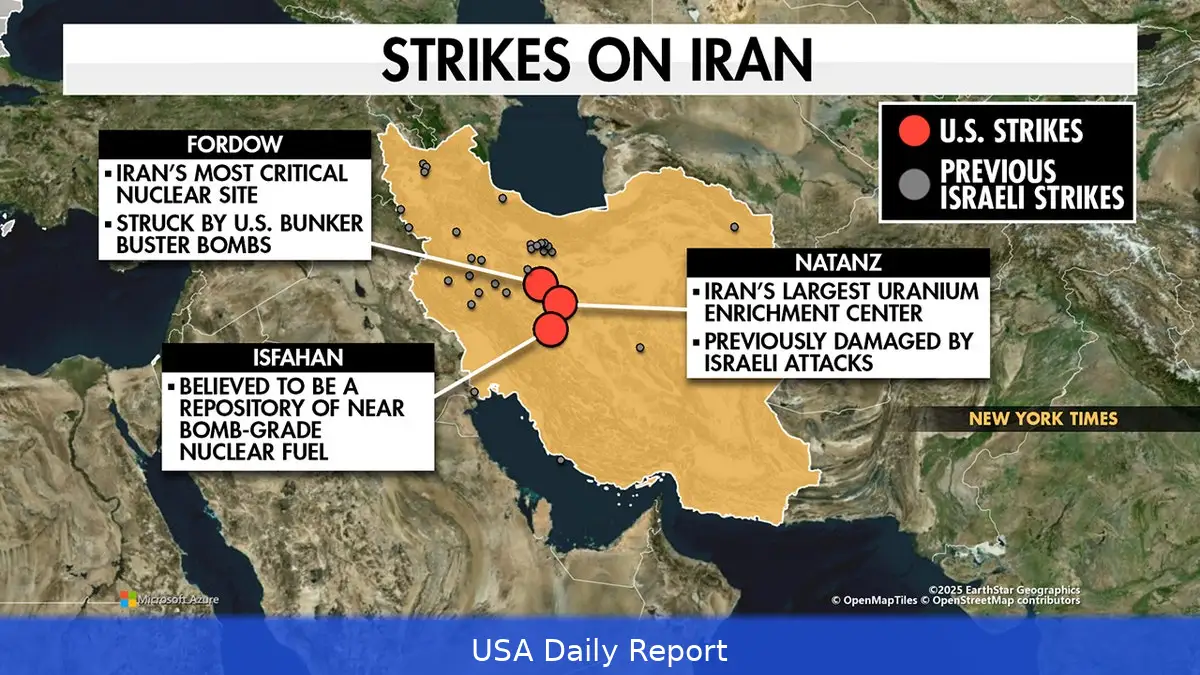
President Trump once claimed that Iran's new leadership was less extreme and more pragmatic. He hoped to mirror his success in Venezuela by reshaping Tehran's government to align more closely with Washington's interests. Yet, the anticipated shift in Iran's political stance hasn't materialized.
Expectations vs. Reality in Tehran
Back in 2019, President Donald Trump expressed confidence that Iran’s leadership had become less radical and more intelligent, suggesting a new chapter in US-Iran relations. He envisioned a scenario similar to Venezuela, where the US managed to detain President Nicolas Maduro and pressure the rest of the government into compliance. The hope was that Tehran’s leadership would soften, potentially opening doors for negotiations or even regime change more favorable to US interests.
But fast forward to today, and the landscape in Iran looks quite different. Despite Trump’s optimistic forecast, there’s no clear sign that Iran’s ruling class has shifted its stance or that Washington’s objectives have been met. The leadership remains firmly in control, continuing policies that challenge US influence in the Middle East.
Why the US Strategy Has Fallen Short
Iran has shown it can withstand a lot of pressure. The country has shown a strong ability to withstand external pressure, economic sanctions, and diplomatic isolation. Tehran’s government, backed by a complex network of political and military institutions, hasn’t faltered under US pressure. Instead, it has doubled down on its regional ambitions and nuclear development programs.
Sanctions imposed by the US have indeed hit Iran’s economy hard, limiting its oil exports and access to international banking. Yet, the regime has found ways to adapt, including strengthening ties with countries like China and Russia, which offer economic lifelines.
By teaming up with countries like China and Russia, Iran lessens the impact of US sanctions.
That said, another challenge is the US approach itself. The comparison with Venezuela overlooks major differences: Iran is a regional power with deep historical, religious, and cultural roots that complicate any attempt at regime change. Unlike Venezuela, where the US enjoys some internal support for opposition forces, Iran's political landscape remains tightly controlled with limited openings for external influence.
Political Implications for the US
Look, the failure to achieve clear war objectives in Iran has broader consequences for US foreign policy credibility. It makes people wonder about the effectiveness of maximum pressure campaigns that rely heavily on economic sanctions and military threats. Critics argue that The approach alienates potential allies and drives Iran closer to rival powers.
At the same time, the ongoing tension complicates US relations with regional partners. Countries like Iraq and Syria, where Iran exerts significant influence, find themselves caught between competing interests. For Washington, this means balancing its strategic goals without escalating conflicts or undermining existing alliances.
Domestically, the stalemate contributes to debates over the US role in Middle Eastern conflicts. Some policymakers advocate for renewed diplomatic engagement, including a return to the 2015 nuclear deal framework. Others insist on maintaining a hardline stance, arguing that any compromise would embolden Tehran.
Economic Stakes and Regional Stability
The effects of US-Iran tensions are felt far beyond Iran itself. Oil markets remain volatile, with fears of disruptions in the Strait of Hormuz—a critical chokepoint for global energy supplies. Any escalation could trigger price spikes, impacting consumers worldwide.
Meanwhile, Iran’s regional activities, including support for proxy groups, continue to fuel instability. This undermines efforts to promote peace and development in the Middle East. The US faces a dilemma: how to counter Iran’s influence without triggering wider conflicts that could disrupt global markets and security.
And prolonged sanctions and hostility reduce incentives for Iran to cooperate on issues like counterterrorism and nuclear nonproliferation. This stalemate makes it harder to address shared challenges that transcend national interests.
Looking Ahead
The US now faces a tough choice on how to change its approach to Iran. It’s clear that just using pressure and isolation won’t get the job done. Engaging with Iran’s complex political realities and regional dynamics requires a more nuanced approach.
Tehran’s leadership has proven adaptable and determined. Any future efforts to influence Iran must reckon with deep-rooted factors that shape its policies. Whether through diplomacy, economic incentives, or regional partnerships, the US faces a tough road ahead in trying to shift Iran’s trajectory.
For now, the hoped-for transformation of Iran into a less radical and more cooperative player remains out of reach. The consequences ripple through global politics, economics, and security, underscoring the challenge of achieving US war objectives in the region.
Related Articles
- Trump and NATO Chief Discuss Partnership Amid Ongoing Gulf Tensions
- Iran Emerges Stronger After Ceasefire, Shifting Regional Power Dynamics
- Stocks and Bonds Slide as Oil Surges Amid Rising Middle East Tensions
President Trump's vision of a pliant Iranian leadership hasn't come true. Tehran remains defiant, highlighting the limits of US strategy and the complexity of Middle Eastern geopolitics.


