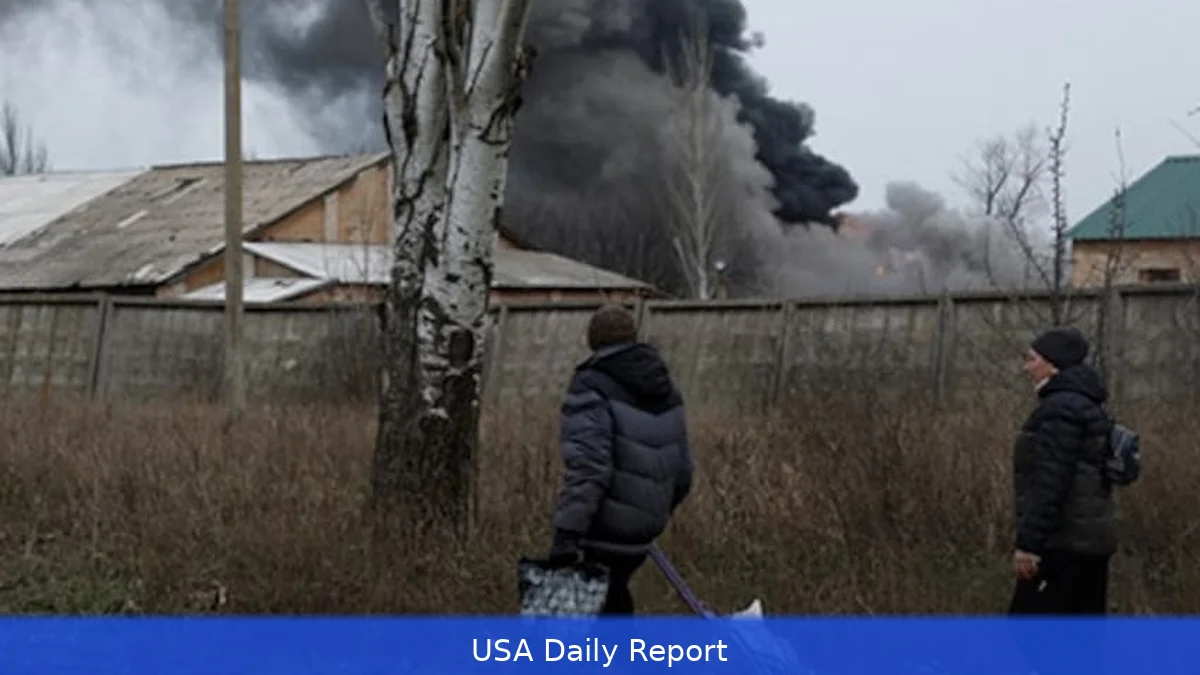
The World Bank says it plans to provide $20 billion soon to help rebuild areas hit hard by recent wars. This massive financial effort aims to stabilize shattered economies and jump-start recovery efforts in war-torn areas.
Rushing Funds to Meet Post-War Needs
War doesn’t just destroy buildings; it wrecks economies, forces millions to flee, and drains government funds. The World Bank’s plan to release $20 billion quickly is a response to the urgent demands of rebuilding infrastructure, restoring public services, and reviving local economies. These funds are critical to addressing the humanitarian crisis that often follows armed conflict.
Look, conflict zones often face a breakdown of basic services like healthcare, education, and utilities. The World Bank’s infusion aims to prevent further collapse by supporting governments and local agencies tasked with reconstruction. It’s about more than just bricks and mortar—it’s about rebuilding trust, governance, and economic stability.
Scope and Scale of the Aid
The $20 billion figure is a baseline, with the potential for more as needs evolve. This money will be funneled through a mix of grants, loans, and guarantees designed to leverage additional private and international investments. The goal is to create a multiplier effect, turning initial aid into sustainable growth.
These funds are expected to cover a broad range of sectors—from rebuilding roads and power grids to restoring health systems and schools. That kind of comprehensive approach is key to helping communities bounce back quickly and effectively.
Honestly, getting the money out fast could really change how recovery happens. Post-conflict recovery often stalls due to bureaucratic red tape and delayed financing. The World Bank’s commitment to rapid deployment means critical projects can start sooner, saving lives and livelihoods.
Coordination with Other International Efforts
Reconstruction after war isn’t just a financial challenge—it’s a diplomatic and logistical puzzle. The World Bank is coordinating closely with governments, the United Nations, and other donors to avoid duplication and ensure aid reaches those who need it most.
Working together like this helps stop money from being wasted or stolen.
Still, managing aid on such a large scale is no small feat. Lessons from past conflicts show that without strong oversight, funds can be diverted or misused, undermining recovery efforts. The World Bank plans to implement strict monitoring and evaluation systems to keep projects on track and transparent.
Implications for Global Stability and Development
Post-war reconstruction is about more than rebuilding cities—it’s about preventing future conflicts. The World Bank’s funding aims to create economic opportunities and social stability, reducing the risk that war-torn regions spiral back into violence.
That said, the success of this financial injection depends on many factors—political will, security conditions, and the ability of local institutions to manage funds effectively. Without strong local partners, even the biggest aid packages can falter.
The bottom line is, these funds might turn weak areas into places that grow economically. But it’s a delicate balance. The World Bank’s approach has to be flexible and adaptive, responding to on-the-ground realities as they evolve.
History shows that reconstruction takes years, sometimes decades. The $20 billion is just the start of a longer commitment needed to heal from the scars of war and build resilient economies.
Context: Recent Conflicts Driving Urgency
Recent wars have devastated entire regions, displacing millions and destroying critical infrastructure.
For example, the conflict in Gaza has left hospitals overwhelmed and basic services crippled. Similarly, the war in Ukraine has caused widespread destruction of cities and infrastructure, demanding vast reconstruction efforts.
While political solutions remain elusive, economic recovery can't wait. The World Bank’s readiness to act fast reflects recognition that reconstruction funding is as urgent as diplomatic negotiations.
If you consider past recovery efforts, such as in post-World War II Europe or more recent cases like the Balkans, massive international financial support was key to rebuilding economies and preventing further unrest. The World Bank’s current commitment echoes those lessons.
Related Articles
- Israel Launches Major Airstrikes on Lebanon Amid Iran Ceasefire, Killing Over 180
- Oil Prices Climb Amid Tentative Progress in Middle East Peace Talks
- Russia Plans Massive Military Spending Increase Amid Budget Reallocation
The World Bank’s move to quickly provide $20 billion shows a big effort to help war-torn regions bounce back. Whether this funding will be enough, or disbursed efficiently, we'll have to wait and see. But the scale and speed of the commitment mark one of the most ambitious efforts to support post-war rebuilding in recent history.


