Oil prices ticked up Thursday as some hope emerged from peace talks trying to calm tensions in the Middle East. The ongoing conflict between the U.S., Israel, and Iran has shaken global markets, pushing energy prices higher and raising fears about supply disruptions.
Markets React to Middle East Developments
Oil futures saw a modest rise in a volatile session, reflecting investor uncertainty as talks between conflicting parties showed signs of progress, but no clear resolution. The conflict, which has dragged on for nearly a month, has pushed energy prices upward amid fears of extended supply interruptions.
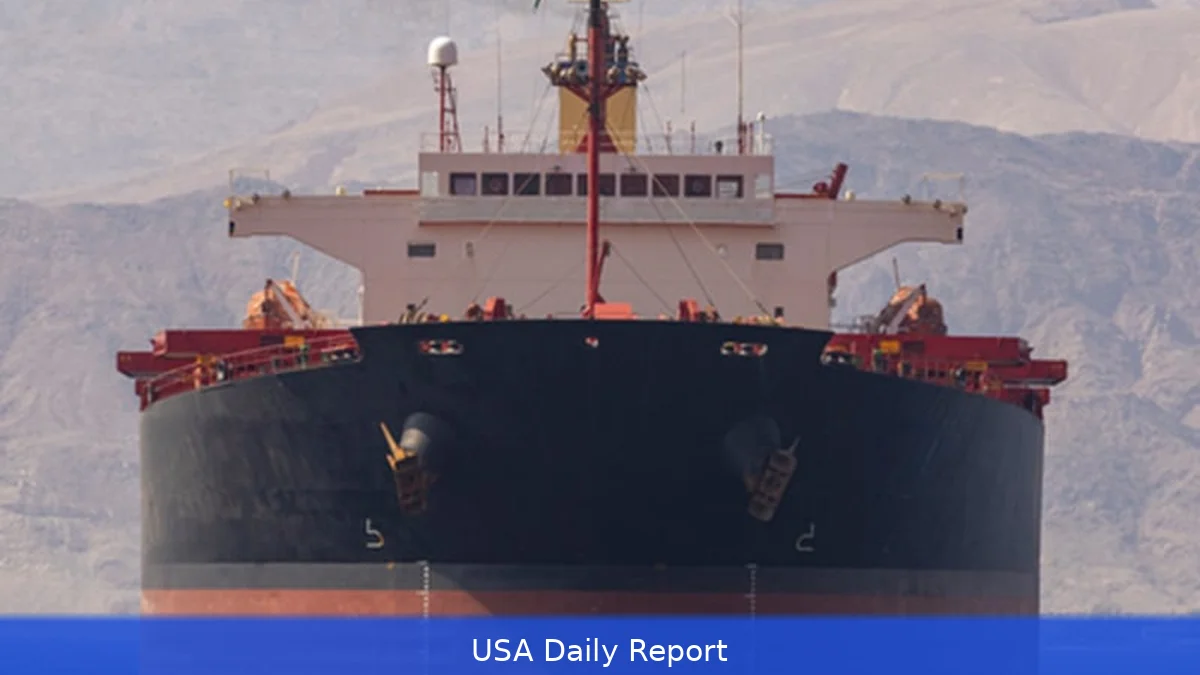
Still, oil markets are on edge. Iran’s recent moves to review a U.S. Proposal to end hostilities injected some hope, but Tehran’s refusal to engage in direct negotiations dampened immediate expectations. The Strait of Hormuz, a strategic chokepoint responsible for transporting about 20% of the world’s oil and liquefied natural gas, has been effectively closed off at times during the conflict, amplifying supply concerns.
Asian stock markets reflected the nervous mood, trading mostly sideways as investors weighed the implications of the geopolitical standoff. The dollar index slipped slightly after a strong rally, signaling mixed sentiment on the outlook for U.S.
Monetary policy given the conflict’s economic impact.
Federal Reserve officials, including Governor Stephen Miran, acknowledged the pressures from rising oil prices but urged focus beyond the immediate shock. Miran emphasized that current policies are already restraining economic growth, suggesting that further rate hikes might be limited as the Fed balances inflation risks against the threat of recession.
Currency Movements Mirror Geopolitical Tensions
The euro dipped against the dollar amid the uncertainty, with investors cautious ahead of potential de-escalation developments. The British pound also weakened as markets awaited clearer signals from the Middle East peace efforts, which could shape global financial conditions and influence central bank decisions worldwide.
Australia’s dollar dropped slightly too, hit by the rising energy costs linked to the conflict. Despite being a major exporter of liquefied natural gas and coal, Australia remains dependent on imported petroleum products, fertilizers, and refined goods. The surge in energy prices threatens to worsen Australia’s inflation outlook and economic growth prospects.
Energy Costs and Economic Ripple Effects
Rising oil and gas prices are hitting economies worldwide, including the U.S. The U.S. Relies on both domestic production and imports, and disruptions or price spikes in the Middle East can lead to increased fuel costs at the pump. This, in turn, affects consumer spending and transportation costs across industries.
Plus, inflationary pressures from energy costs make the Federal Reserve’s task. While the Fed has raised interest rates to tackle inflation, escalating fuel prices threaten to keep inflation sticky, making it harder to bring down overall price growth without triggering a recession.
President Donald Trump’s recent statements show the stakes, as he pressed Iran to accept defeat and warned of intensified U.S. Action if Tehran refuses to agree to an end to the conflict. The White House reiterated its hardline stance, heightening the risk that the situation could escalate further, which would put more upward pressure on oil prices.
Outlook for Peace and Markets
Peace talks remain tenuous. Iranian officials claim they're reviewing the U.S. Proposal but have no plans for direct negotiations soon. This leaves the conflict’s trajectory uncertain and markets on edge. The potential for renewed violence or broader regional involvement keeps commodity prices volatile.
Point is, for the U.S. And global economies, the stakes are clear. Prolonged conflict in the Middle East could boost energy prices further, squeeze household budgets, and slow down economic growth. It also makes people wonder about supply chain stability and the security of vital trade routes.
Investors and policymakers alike will be watching closely for signs of genuine progress in peace efforts or, conversely, any flare-ups that could send oil prices even higher. How the Federal Reserve responds to inflation pressures amid this geopolitical turmoil will be a key factor for the U.S. Economy in the months ahead.
Related Articles
- Stocks and Bonds Slide as Oil Surges Amid Rising Middle East Tensions
- Market Rally Defies Rising Tensions at Strait of Hormuz
- Iran Emerges Stronger After Ceasefire, Shifting Regional Power Dynamics
As Middle East peace talks stall and oil prices climb, the global economy faces a risky moment. The next moves by Tehran, Washington, and their allies will likely shape energy markets and financial stability well beyond the region.


