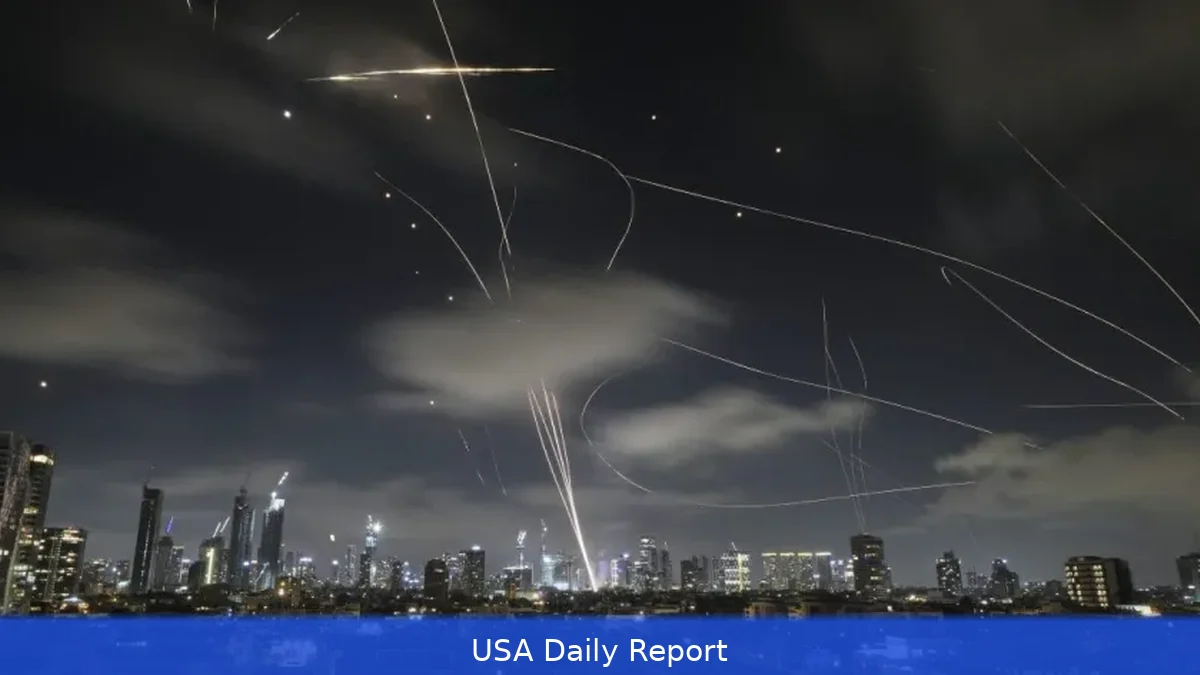
Gas prices in the U.S. Have surged past $4 a gallon amid a war nobody expected to drag on. The Iran conflict is rewriting global alliances and economic power.
Energy Crisis Deepens
The war involving Iran has turned the Strait of Hormuz into a critical choke point for global oil supply. That narrow waterway, through which a big portion of the world’s oil passes, has seen disruptions that sent prices soaring. In the U.S., the average price for a gallon of gasoline topped $4 recently, a level not seen in years. Countries dependent on Iranian oil felt price jumps over 50%, creating a ripple effect in commodity markets worldwide.
Kate Gordon, an energy policy expert and former senior advisor at the U.S. Department of Energy, warned that the conflict isn’t just about blockades or temporary closures. “We’re continuing to attack actual infrastructure,” she said, “which means things beyond the strait are going to need to be rebuilt.” The physical damage and ongoing instability mean that even if the Strait reopens soon, oil prices likely won’t drop immediately.
That’s partly because the war exposed gaps in how policymakers factored in the Gulf’s complex supply chains. Steve Hanke, professor of applied economics at Johns Hopkins University, said the U.S. Entered the conflict assuming it would wrap up quickly. “You better know all this shit’s going to hit the fan if you go to war,” he said bluntly. “They clearly didn’t.”
Economic Fallout and Shifting Alliances
The consequences go beyond energy prices. The tangled web of global commodity supply chains means disruptions in the Gulf ripple into manufacturing, shipping, and finance globally. Higher oil prices raise production and transportation costs, which can slow growth or trigger recessions.
Even if a cease-fire holds, the damage to these interconnected networks could linger for months or years.
Meanwhile, the war has unsettled long-standing geopolitical ties. Washington’s Gulf allies, who had resisted involvement, now doubt U.S. Security guarantees. Many are looking eastward, toward China and Russia, to diversify relationships and reduce dependency on American protection. European partners, reluctant to join the conflict, worry about the U.S. Commitment to NATO under President Trump, who has repeatedly threatened to pull back from the alliance.
Thing is, russia has emerged as a major beneficiary of the crisis. The spike in energy prices has boosted its revenues, helping it sustain its military campaign in Ukraine. China, too, is capitalizing on the shifting power dynamics, expanding influence in the Middle East and beyond as U.S. Focus and resources are stretched thin.
U.S. Position Under Pressure
President Donald Trump’s handling of the conflict has sent mixed signals. In an April address, the president claimed the U.S. Was close to completing military objectives and boasted of having “all the cards.” Yet he also hinted at the possibility of escalating attacks, including strikes on Iran’s power plants if no agreement is reached. Meanwhile, Iranian leaders have continued to defy U.S. Demands, keeping the Strait of Hormuz closed at times and maintaining a hardline stance.
The administration’s contradictory statements have sown confusion, even as talks—if any—appear stalled. Trump’s insistence that regime change was never the goal clashes with ongoing military actions that have removed key Iranian leaders, complicating the narrative on America’s intentions.
More broadly, the war and its fallout are eroding America’s global standing. The U.S.’s allies in the Gulf are less confident in Washington, and Europe’s reluctance to support the conflict signals widening rifts. Russia and China watch closely as the U.S. Expends considerable political, diplomatic, and military capital with limited gains.
Long-Term Consequences
Economists warn that even if hostilities cease, the global economy faces a new normal. Oil prices may remain high due to physical supply shortages and the divergence from futures market prices. Infrastructure damage will require costly rebuilding, while disrupted trade routes and alliances force countries to rethink their economic and security strategies.
“It’s going to look fundamentally different for a while, no matter what,” Hanke said. He summed up the emerging world order with a stark assessment: “Good for Russia, good for China, bad for America.”
The war has accelerated structural shifts that could redefine global power balances. Supply chains once taken for granted are now fragile. The U.S.’s military and diplomatic resources are stretched. And key allies are hedging bets, sometimes away from American influence.
Look, the Iran conflict is more than a regional war. It’s a turning point that could reshape economies and alliances globally, with consequences felt deeply here in the U.S.
Related Articles
- Banks Hold Firm on Gold’s Long-Term Rise Despite Recent Slump Amid Geopolitical Shifts
- Investors Rally as US-Iran Ceasefire Offers Fragile Hope Amid Lingering Tensions
- Six Months On, Gaza Endures Ongoing Israeli Strikes Despite Ceasefire
Steve Hanke said the physical and paper prices of oil have split sharply since the war began, signaling a prolonged period of high energy costs ahead.


