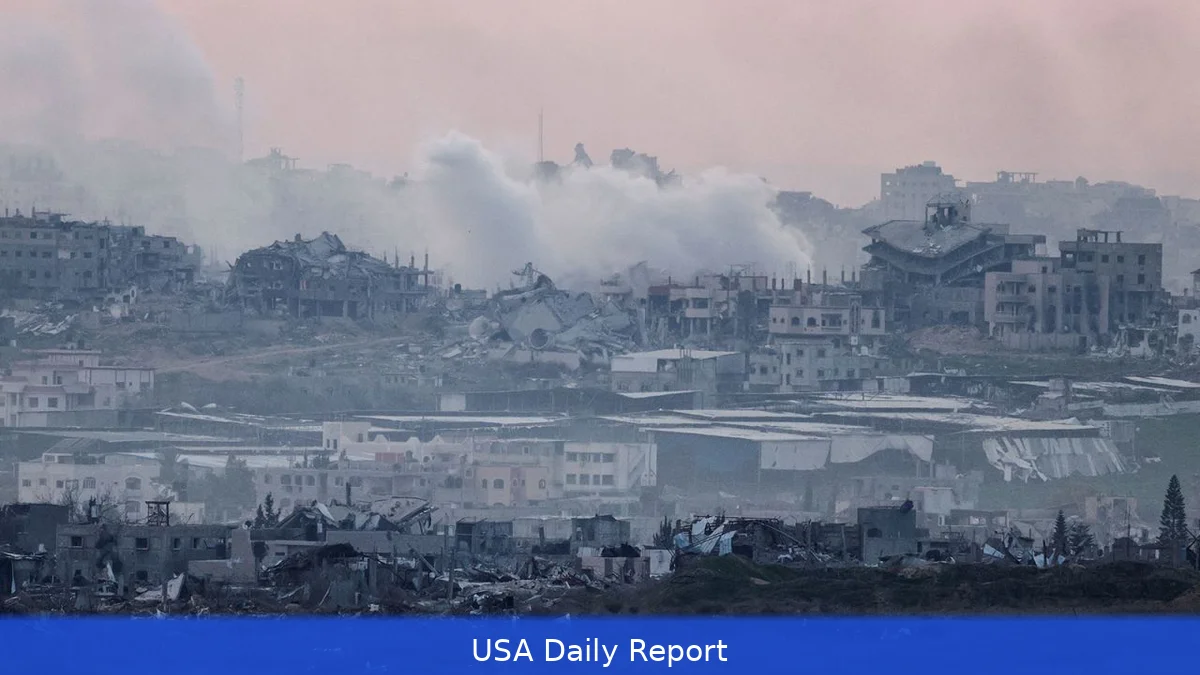
Since a US-brokered ceasefire took effect six months ago, Gaza has seen little relief. Israeli attacks continue almost daily, worsening an already dire humanitarian crisis.
Ceasefire Broken Almost Daily
On October 10 last year, a ceasefire was announced between Israel and Palestinian groups in Gaza, brokered by the United States. The deal promised a halt to hostilities and some easing of restrictions on Gaza’s borders. But the reality on the ground has been very different.
According to Gaza’s Ministry of Health, Israeli forces have violated the ceasefire agreement thousands of times since it took effect. These near-daily attacks have resulted in at least 738 deaths and over 2,000 injuries among Gaza’s population. That’s a staggering toll considering the ceasefire was meant to bring peace.
The ongoing violence has devastated Gaza, with over 10 percent of the population killed or wounded since the ceasefire began. The Ministry of Health reports the overall death toll from the conflict now exceeds 72,000 people, with 172,000 injured.
Many casualties are women and children, reflecting the conflict’s wide-reaching impact on civilians.
Medical Evacuations Halted Amid Border Closures
One of the ceasefire’s key provisions was to allow medical evacuations from Gaza for patients needing urgent treatment unavailable locally. The Rafah crossing, controlled by Egypt but vital for Gaza’s access to the outside world, was to permit 50 patients and their companions to leave daily.
But after Israeli and US strikes on Iran in late February, Israel shut down all Gaza crossings, including Rafah. This effectively stopped medical evacuations, deepening Gaza’s healthcare crisis.
Look, the UN Office for the Coordination of Humanitarian Affairs (OCHA) estimates over 18,500 patients—4,000 of them children—need urgent evacuation for treatment.
Israel said it would resume limited medical evacuations on March 19, but only about 625 people have left since late February. That’s less than 8 percent of what was agreed, leaving thousands without access to critical care.
Humanitarian Aid Falls Short Amid Food Insecurity
Gaza’s population is also facing severe food shortages.
The Integrated Food Security Phase Classification, a global hunger monitoring organization, reports that 77 percent of residents suffer from extreme food insecurity. That’s a massive increase in hunger and malnutrition risks.
The Gaza Government Media Office recently challenged claims by UN envoy Nickolay Mladenov that 602 aid trucks entered Gaza in a single day. The office clarified that only 207 trucks arrived, with just 79 carrying humanitarian supplies. They said the aid delivered is far below what’s needed and that Israel’s implementation of the humanitarian provisions under the ceasefire reaches no more than 38 percent of what was promised.
The office’s statement pushed for stronger international action to protect Palestinian civilians and ensure humanitarian access. They criticized attempts to downplay the crisis, stating that skewing facts won’t hide the scale of the catastrophe or relieve parties of their responsibilities under international law.
Political and Economic Implications for the US
The conflict in Gaza has put the United States in a tough spot.
The US helped broker the ceasefire, aiming to stabilize a volatile region and reduce violence that could spill over beyond Gaza and Israel. But the persistent attacks and humanitarian crisis undermine US diplomatic efforts and credibility.
Politically, the US is under pressure from many sides. Pro-Israel advocates emphasize Israel’s right to defend itself, while human rights groups and some congressional members urge the US to press Israel for a genuine ceasefire and better humanitarian access. The US administration’s balancing act reflects wider regional tensions, especially after its recent involvement in strikes on Iran.
Economic instability in Gaza and the Middle East affects global markets, energy prices, and trade routes. Prolonged conflict disrupts supply chains and investor confidence, potentially impacting US economic interests. The humanitarian crisis also demands increased US and international aid funding, stretching resources.
For Americans, the ongoing conflict shows how diplomatic deals without enforcement often fall short. The US must consider how to support peace efforts effectively while addressing the humanitarian fallout that affects millions.
Related Articles
- Iran Emerges Stronger After Ceasefire, Shifting Regional Power Dynamics
- Israel Launches Major Airstrikes on Lebanon Amid Iran Ceasefire, Killing Over 180
- Trump and NATO Chief Discuss Partnership Amid Ongoing Gulf Tensions
Since the ceasefire promises went unmet, Gaza is stuck in ongoing violence and hardship. The situation continues to deteriorate, raising urgent questions about the path forward and the role of international powers in ending the suffering.


