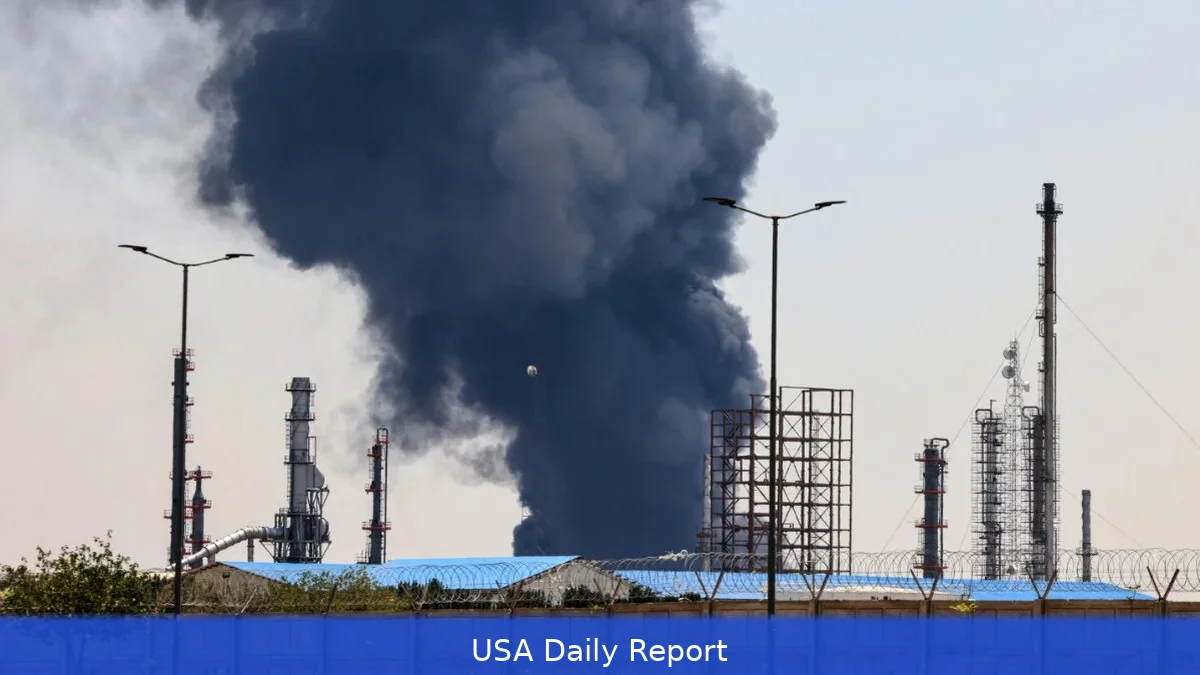
Oil jumped above $115 a barrel this week. The spike is just the visible edge of a much deeper market rupture.
Immediate hit, lingering damage
Fatih Birol, executive director of the International Energy Agency, told Le Figaro that the oil shock tied to the Iran war has already surpassed the scale of several historic disruptions combined. He compared the current crisis to the 1973 and 1979 oil shocks and the 2022 disruption tied to the war in Ukraine — and said the present upheaval is worse than those three added together.
The price action has been dramatic. U.S. Crude has been trading around $115 a barrel, while Brent hovered near $110, both up sharply since the conflict began. But the outright price level only tells part of the story.
Look, the most damaging moves are hiding in market structure — not just the headline price. Traders and physical buyers have pushed nearby contracts higher, reflecting an urgent scramble for immediate barrels. That shift squeezes refiners, traders and supply chains long before any permanent physical loss of oil shows up on balance sheets.
How the curve reveals the real shock
The forward curve — the spread between prompt and deferred oil contracts — has changed in ways that matter operationally. When nearby contracts rise faster than later ones, the market is said to be in backwardation. That pattern signals buyers paying a premium for prompt delivery to avoid interruption.
In a crisis, backwardation steepens. Refiners who rely on steady crude flows are forced to tap inventories and compete for immediate cargoes. They can't simply switch production off and on; restarting complex refining units is costly and slow. So they pay up, or risk running down inventories to dangerous levels.
Thing is — even the threat of closing the Strait of Hormuz, a narrow shipping chokepoint, rearranges logistics. Much of Gulf output transits that passage. Insurance costs climb, shipping routes get rerouted, and traders reprice the cost of moving barrels. The effect ripples out: fertilizer, helium and other commodities that also move through the strait face delays and higher costs.
Derivatives, options and a new risk map
As physical traders bid the front of the curve, derivative markets are repricing risk too. Options volumes and volatility skews shift as hedgers and speculators deploy new structures to protect against extreme scenarios. The option market has become a much bigger player in oil over the last decade, and it's now shaping how the whole market perceives tail risks.
That matters for Americans because the shape of the curve determines more than crude prices. It influences crack spreads — the margins refiners earn turning crude into gasoline, diesel and jet fuel — and affects refinery operations across the U.S. A steeper front-month squeeze can push gasoline prices higher at the pump even if long-dated futures cool off.
Point is, you can read a lot more about supply stress in where traders put their money than in the headline price this morning.
Economic knock-on effects for the U.S.
The oil shock has already begun to feed into U.S. Inflation metrics. The Federal Reserve kept its policy rate at 3.50%–3.75% at its March meeting, and officials will be parsing a string of economic releases — FOMC minutes, PCE inflation and CPI data — for signs the energy shock is seeping into broader price and wage dynamics.
The U.S. Energy Information Administration adjusted its 2026 West Texas Intermediate forecast higher by about $20 per barrel after the conflict, signaling that forecasters expect oil to stay elevated for some time. Higher energy costs can push headline inflation up, squeezing household budgets and adding complexity to monetary policy decisions.
Right now, any spike in fuel costs would reverberate across the economy. Consumers would face higher gasoline bills. Businesses that rely on trucking and air freight would see costs rise. Those increases may show up quickly in price indexes for goods and services, complicating the Fed's task of deciding whether to begin cutting rates.
And there's a financial angle: risky assets that move with macro tides have reacted. Bitcoin and other high-beta assets, which have traded more like risk-on instruments in recent months, could be jostled as inflation and rate expectations change. The Fed's reading of whether the oil shock is transitory or persistent will matter for markets and for borrowing costs for U.S. Households and companies.
Political fallout and global supply chains
The war has also reshaped diplomacy and trade calculations. Iran has pressed for recognition of control over the Strait of Hormuz in talks to end the conflict. Control of that waterway would change bargaining power across the region and potentially force countries and companies to seek alternate routes or sources.
Many governments are weighing emergency measures: fuel stock releases, export curbs, or targeted subsidies to ease domestic pain. In the U.S., policymakers face pressure to shield consumers, while also balancing strategic aims and alliance politics in the Middle East.
That balancing act isn't simple. Releasing strategic petroleum reserves can blunt a short-term price spike, but it doesn't fix the underlying risk to production and transport. Redirecting flows away from the Gulf adds cost and delay. And companies that manufacture fertilizer or that rely on helium could face production hiccups if raw material shipments stay disrupted.
Frankly, the war is already nudging longer-term energy decisions. Birol said the shock could speed up investments in renewables and nuclear as countries look to diversify away from concentrated hydrocarbon routes. That's a structural effect that will play out over years, not weeks.
Why markets may be underpricing the depth of the crisis
Traders often focus on outright price. But the more important indicators during geopolitical stress are time spreads, storage draws and option-market pricing. Those signals show how tight immediate supply is, how much buyers are willing to pay for prompt delivery, and how insurers and shipping firms are responding.
If deferred contracts begin to catch up, that would suggest traders see longer-term supply loss or sustained export constraints. If only the front keeps moving higher, markets might be pricing a short-term scramble. Either scenario carries risk. But right now, the combination of prompt-month backwardation, rising insurance and rerouting costs, and higher volatility in options suggests a deeper shock than headline prices alone convey.
Many households won't see all these mechanics. They will see a bigger number at the pump, higher airline tickets for a while, and perhaps slower growth if energy shocks compress spending. Policymakers and markets will watch data coming out this week closely to decide how sticky the shock looks.
Still, even with volatility, one fact is clear: the Iran war has already pushed energy markets into a new regime of uncertainty.
Related Articles
- Vance Flies to Pakistan to Start Negotiations Over Iran as Tensions and Ceasefire Claims Hover
- Trump Says He’s ‘Optimistic’ on Iran Truce as Questions Grow Over Hormuz and Next Steps
- Ukraine Looms Large as Hungary’s Ruling Party Levels Sabotage Allegations Ahead of Vote
“We are facing a major energy shock, which combines an oil shock, a gas shock, and a food shock,” Fatih Birol, executive director of the International Energy Agency, said.


