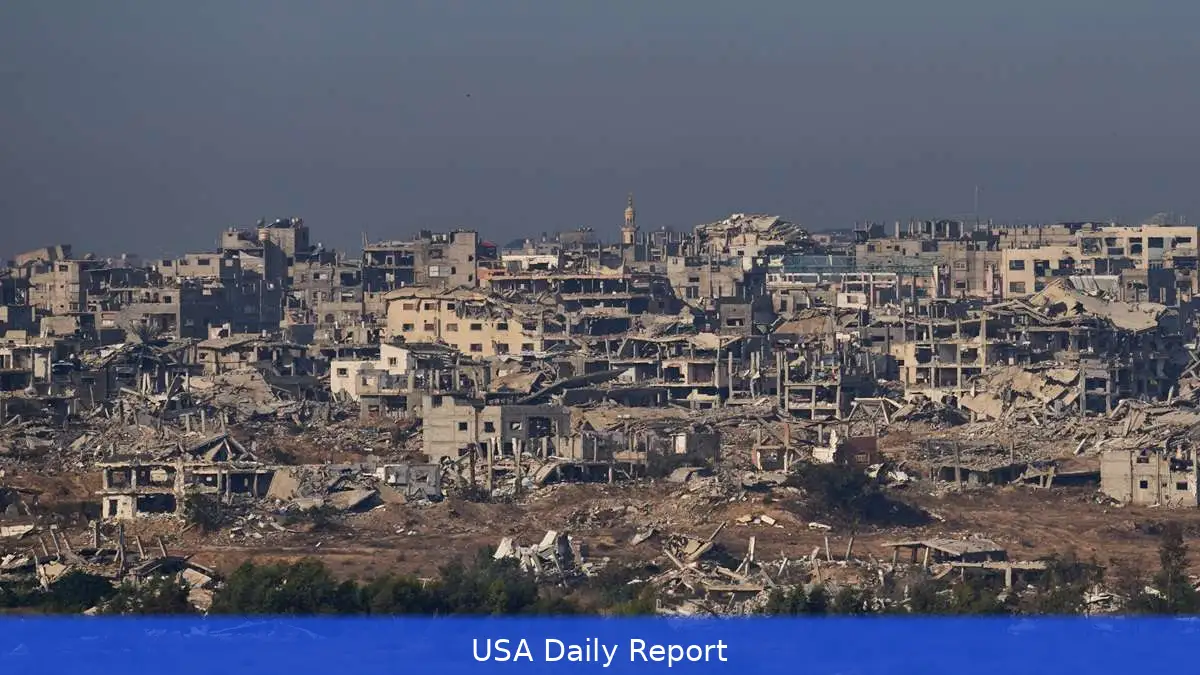
Beirut's skyline filled with smoke again Wednesday. Hospitals declared an urgent need for blood as Israel pressed attacks across Lebanon.
Attacks resume despite ceasefire talks
Airstrikes struck central Beirut and other parts of Lebanon on Wednesday as fighting between Israel and the Iran-backed Hezbollah militia continued, even after Washington and Tehran announced a tentative ceasefire on other fronts. The attacks hit residential and commercial areas, sending residents running for shelter and piling pressure on hospitals already stretched thin by earlier waves of violence.
Hospitals called publicly for blood donations. They said emergency rooms were overwhelmed and medical staff were trying to cope with a high number of casualties.
The Israeli military said it was targeting Hezbollah-linked sites. Israeli Prime Minister Benjamin Netanyahu, meanwhile, made clear that Lebanon was not part of the temporary truce agreed between the U.S. And Iran, a stance that clashes with statements by other parties involved in the mediation.
Pakistan’s prime minister, who helped broker the deal, said the ceasefire covered multiple theaters — including Lebanon — in a post announcing the arrangement.
That difference in how the deal is understood really matters. It left a diplomatic hole that fighters on the ground quickly filled. Vehicles piled onto highways as people tried to flee or return home, carrying mattresses and household goods. The Lebanese army urged civilians to stay away from southern towns where Israeli forces had advanced, warning that returning could expose them to more strikes.
Healthcare under threat
Lebanon’s health system is under acute strain. Hospitals reported shortages of blood and warned that sustained attacks could force closures or limit care. Medical groups said teams of paramedics were hit while performing rescue work — a development that the Lebanese Health Ministry documented and condemned.
Two paramedics from the Islamic Health Authority were killed in a strike in the Bint Jbeil area, the ministry reported. Another paramedic working for a separate service was later reported killed. Those targeted responses to medical crews are raising alarms among humanitarian organizations and public health officials.
When ambulances and clinics stop working, the impact goes beyond just the battlefield injuries. Routine care for chronic conditions, childbirth services and infectious disease control all get disrupted. Lebanon has a fragile healthcare network that was already coping with economic collapse and years of political turmoil. The extra strain risks long-term harm to public health across the country.
Casualties, displacement and civilian impact
Lebanese authorities reported dozens of deaths in multiple regions as strikes struck southern towns, the Bekaa Valley and Beirut’s southern suburbs. Some neighborhoods saw buildings reduced to rubble, and whole families were displaced. Roadblocks and crowds of cars were common as people tried to reach perceived safety or recover belongings.
State media and local reporters said Wednesday was among the deadliest days since the conflict escalated, with hospitals treating large numbers of wounded. Beirut’s southern suburbs — known as Dahieh — and areas around Nabatieh and Bir al-Abed were repeatedly mentioned in dispatches from journalists on the ground.
And those human costs feed back into politics. Public anger at the disruption, and the pressure of refugee flows within Lebanon, heighten risks of domestic unrest. The Lebanese army urged caution, saying civilians shouldn't go back to areas where Israeli forces had moved in, citing continued danger from strikes.
Regional consequences and maritime risks
The fighting in Lebanon fed into a separate but connected flashpoint: control and use of the Strait of Hormuz. Iran briefly closed the strait again in reaction to the strikes, a move the White House called unacceptable and demanded be reversed. Karoline Leavitt, White House press secretary, said Washington expects the vital shipping lane to reopen.
That closure — even temporary — has immediate economic consequences. The Strait of Hormuz is a chokepoint for global oil shipments. Fewer transits, or the threat of tolls for passage that Iran has discussed enforcing, push oil prices up and raise costs for insurers and shipping companies. Traders and energy firms watch such disruptions closely because higher freight and insurance costs get passed along to consumers and businesses worldwide, including in the U.S.
Pete Hegseth, U.S. Defense Secretary, framed recent operations as a major success for American and Israeli forces, saying those actions reduced Iran's military threat to U.S. Forces and the region. Still, the closure of the strait and renewed attacks in Lebanon undercut the fragile calm the ceasefire was supposed to bring and risk wider economic fallout.
Diplomatic confusion and competing narratives
The diplomatic picture grew muddled as different capitals offered competing versions of the deal's scope. Iran’s foreign ministry and parliamentary leaders insisted the agreement covered Lebanon; Israeli and U.S. Officials said it did not. Mohammad Bagher Qalibaf, speaker of Iran’s parliament, criticized the proposed talks and said the United States had broken several of Tehran's conditions. Abbas Araghchi, Iran’s foreign minister, said an end to the fighting in Lebanon was part of the deal.
U.S. Officials painted a different picture. President Donald Trump and other U.S. Leaders said the truce didn't include Lebanon, and the White House demanded that Tehran reverse any steps that threaten international shipping lanes. U.S. Vice President JD Vance called the deal “fragile” and warned it could unravel if attacks continued.
The agreement was being interpreted differently by the parties involved. That made it hard for field commanders, diplomats and humanitarian agencies to plan and respond. It also opened room for actors on the ground to interpret permissive signals as cover for escalation.
Implications for the United States
The U.S. Faces both immediate and longer-term choices. Short-term, Washington is juggling efforts to keep energy markets stable, support allies and push for protections for civilians and medical personnel. The White House's public pressure on Iran to reopen the Strait of Hormuz is aimed squarely at preventing a spike in oil prices that would hit U.S. Consumers and businesses.
Longer-term, the conflict makes people wonder about U.S. Strategy in the region: how much to lean on Israel's operations, how to deter Iranian escalation and how to coordinate with partners who believe the ceasefire should be broader. The contradictory public messaging from Washington and Tehran — and Pakistan’s mediator role — complicates any unified diplomatic push to stop the fighting.
Frankly, U.S. Firms that rely on stable shipping lanes and predictable energy prices are already factoring in risk premiums. Insurance rates for tanker routes could rise, and some companies might reroute or slow shipments to avoid danger zones. That choice costs time and money. It also pushes inflationary pressures — exactly the kind of economic shock U.S. Policymakers want to avoid.
For humanitarian actors, the U.S. Must decide whether to boost aid, increase diplomatic pressure for safe corridors to hospitals, or provide more logistical support to get supplies to Lebanese medical centers. The decisions will be judged not just by their immediate relief but by their ability to prevent a deeper regional conflagration.
Related Articles
- Israel Launches Major Airstrikes on Lebanon Amid Iran Ceasefire, Killing Over 180
- Finance Titans Bet Gulf Resilience Will Outweigh War Fallout
- Investors Rally as US-Iran Ceasefire Offers Fragile Hope Amid Lingering Tensions
“The world sees the massacres in Lebanon,” Iran’s Abbas Araghchi wrote on social media.


